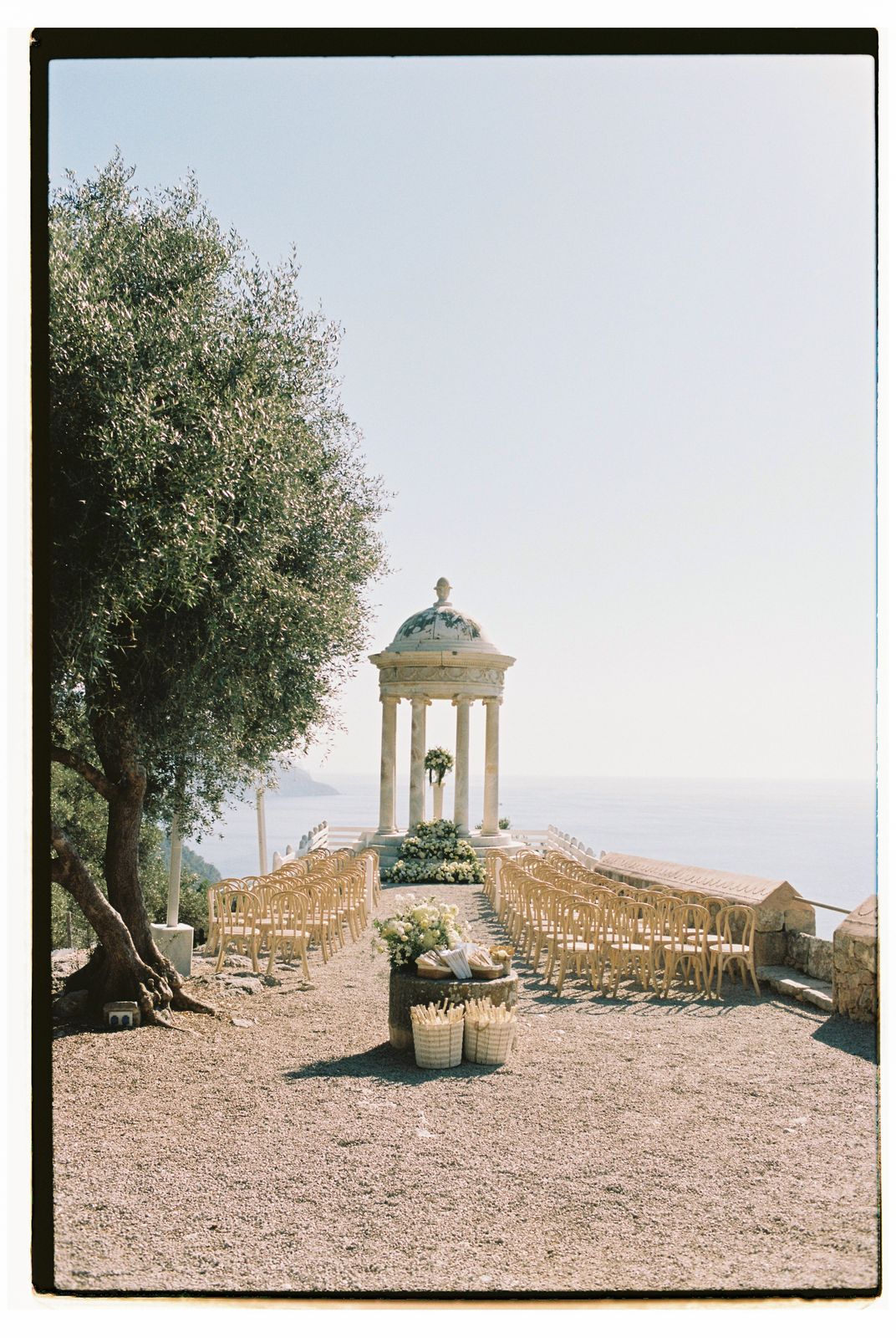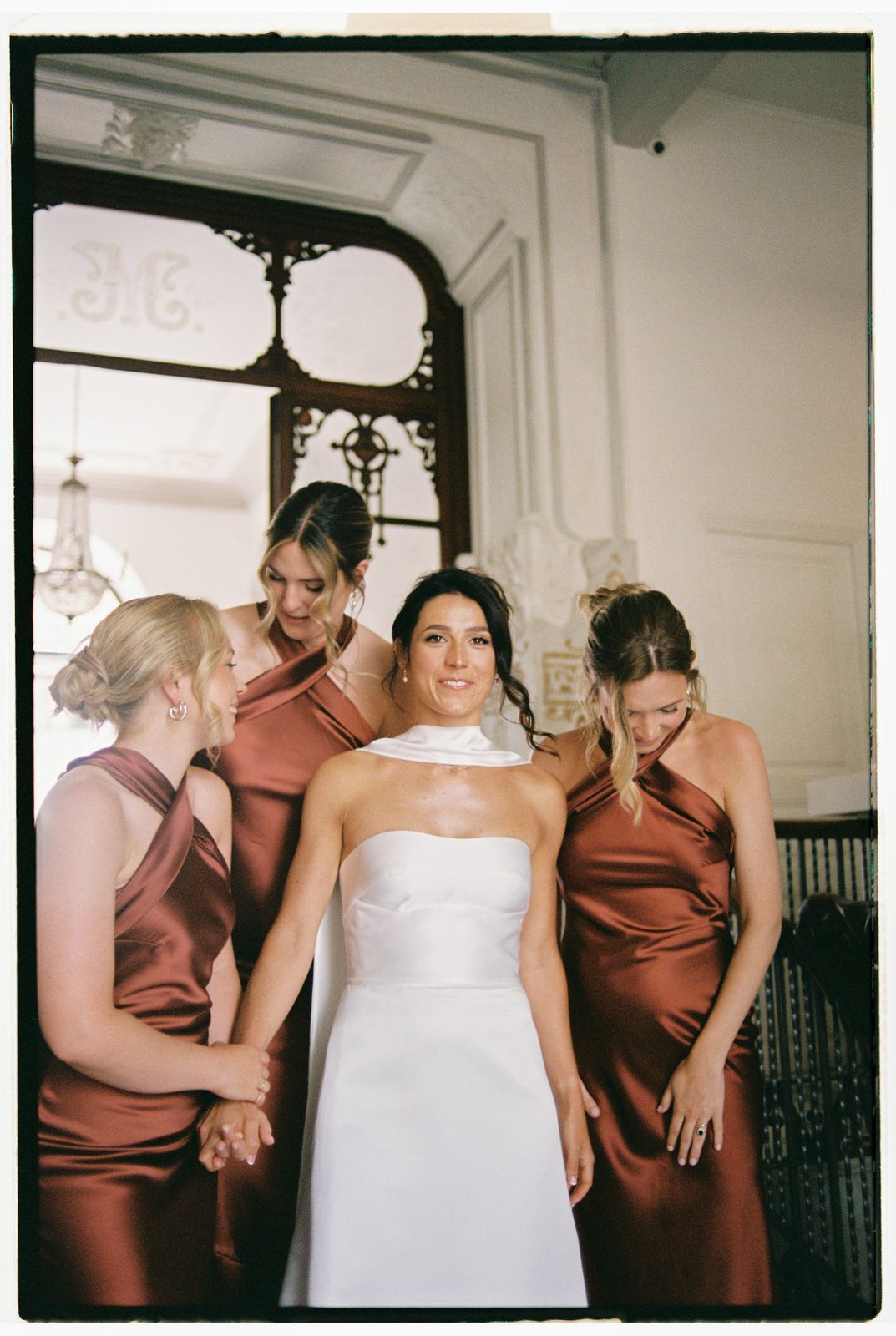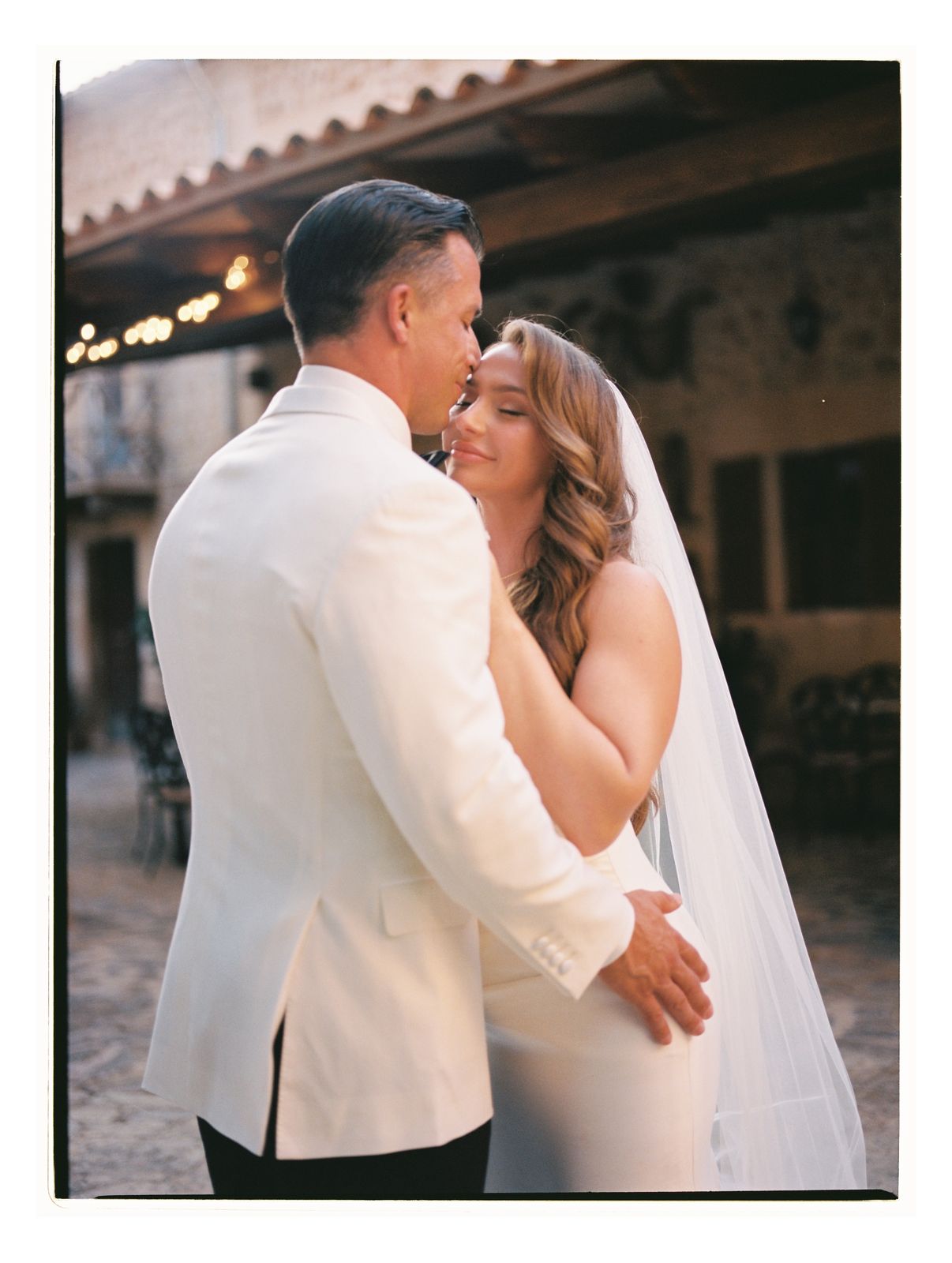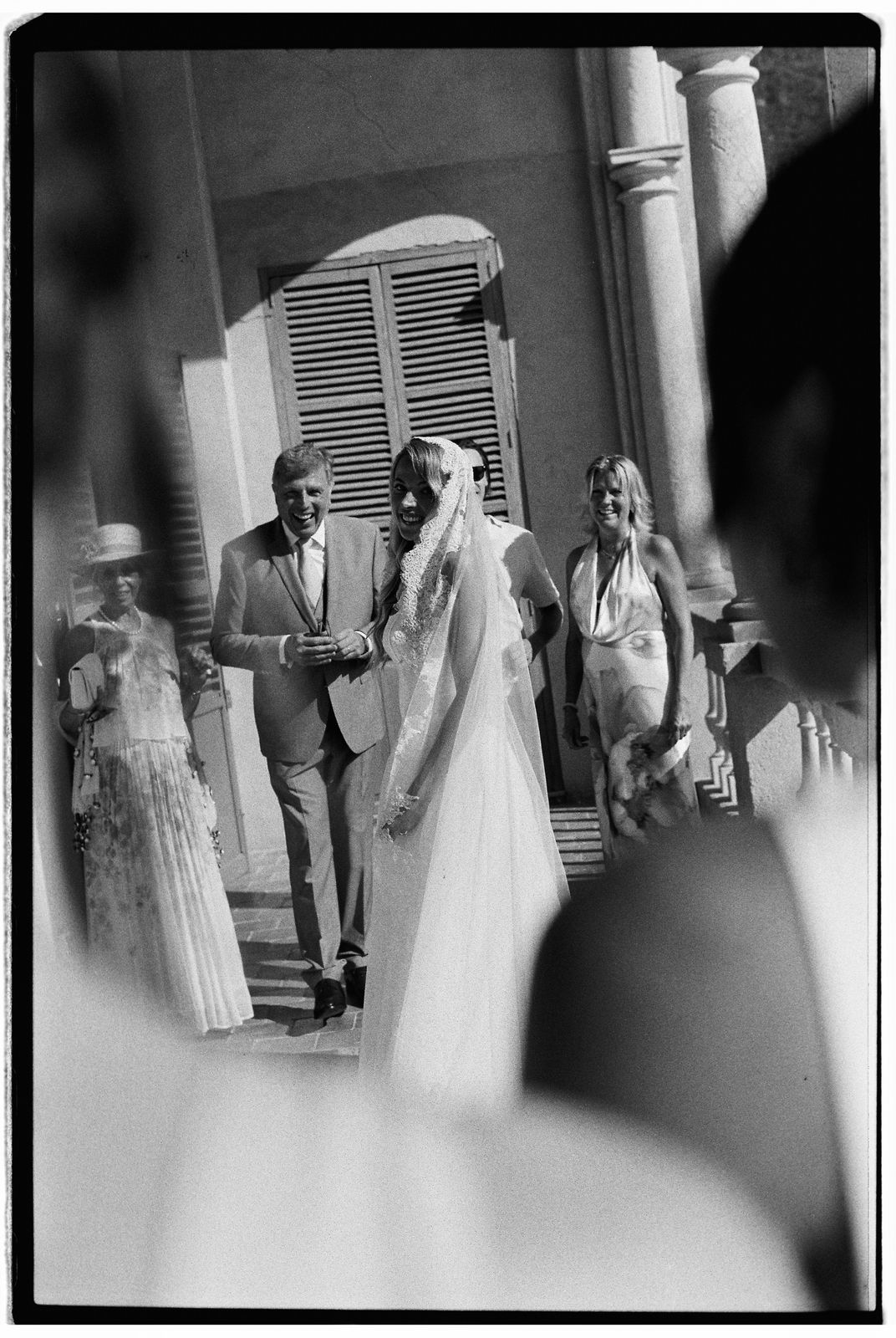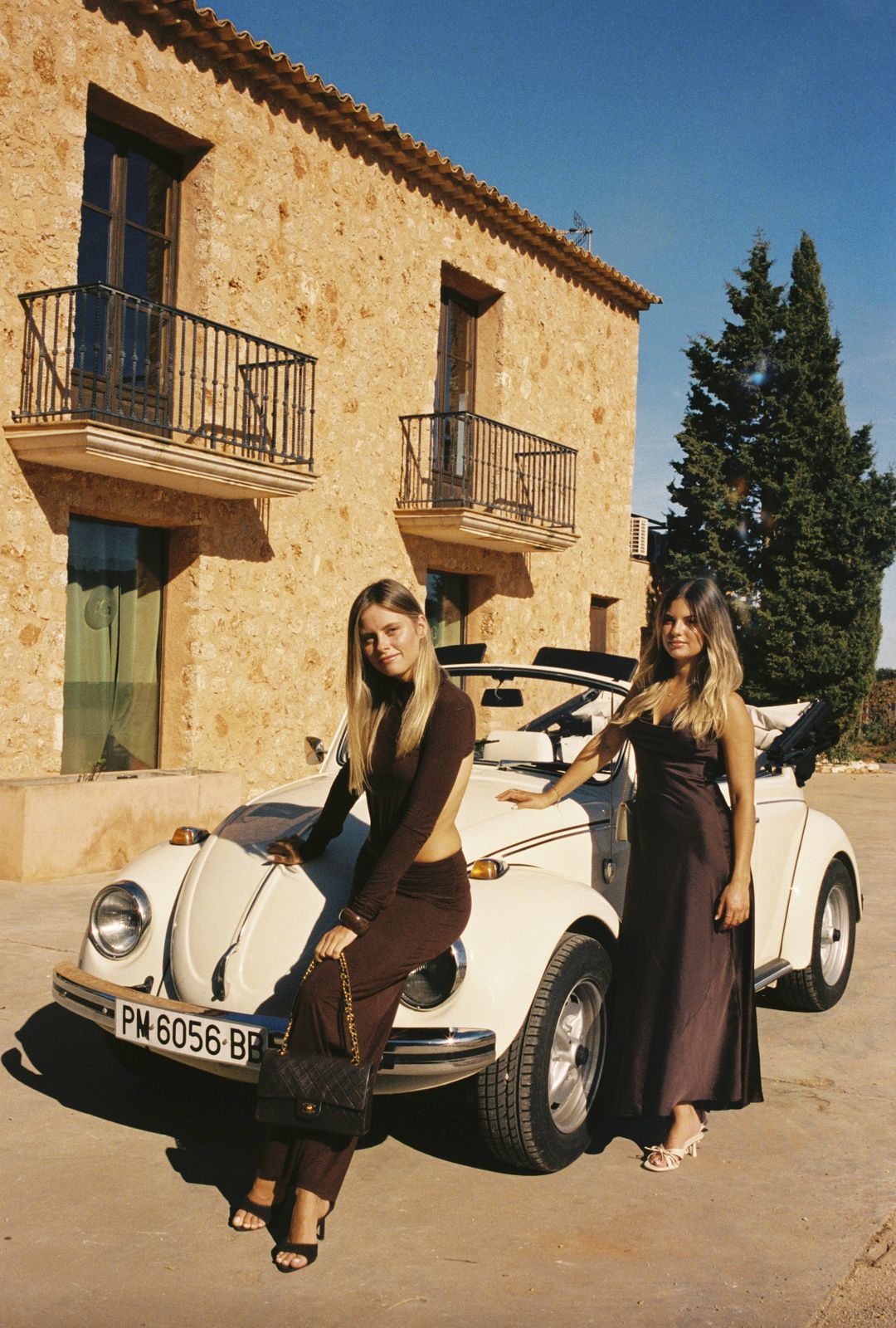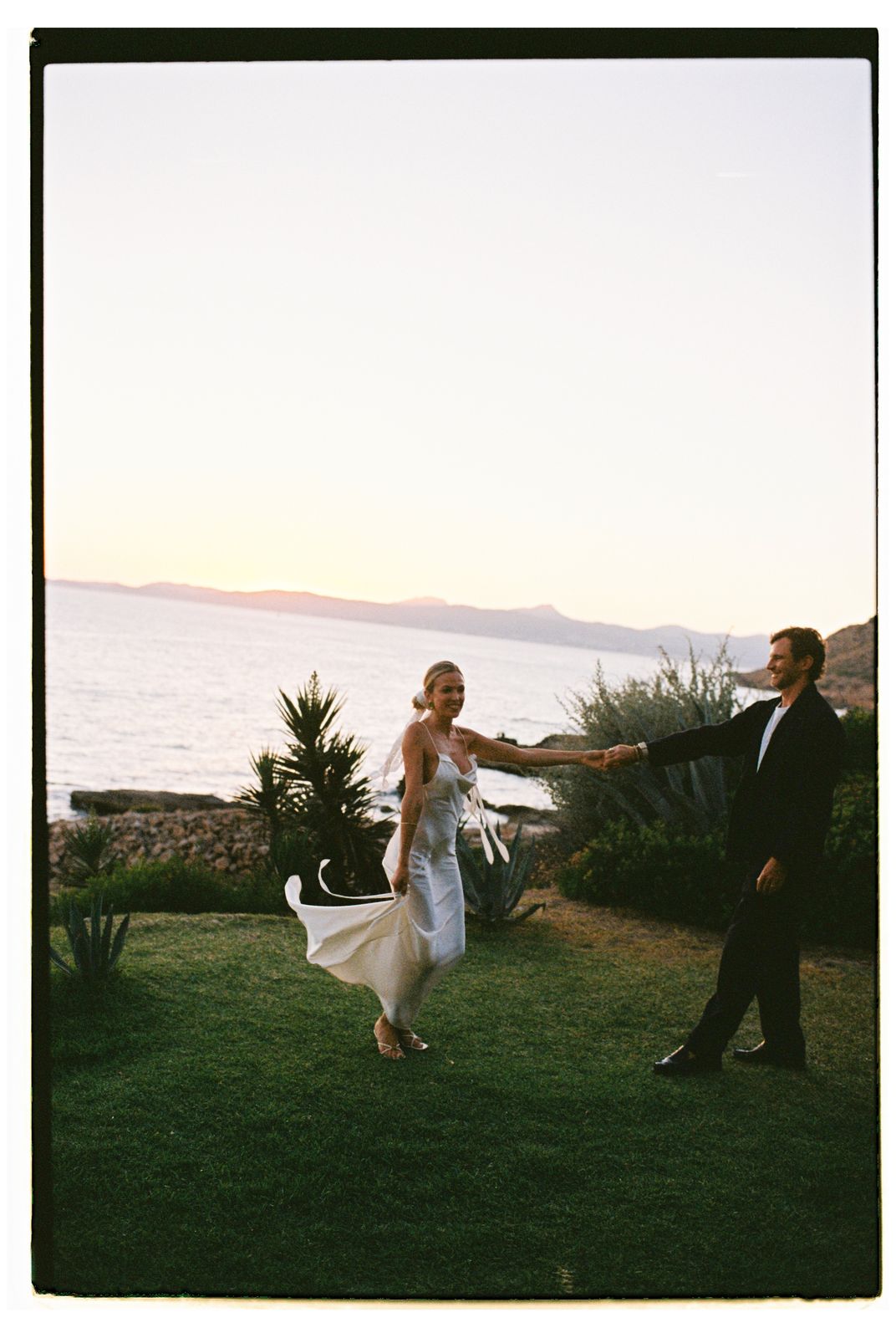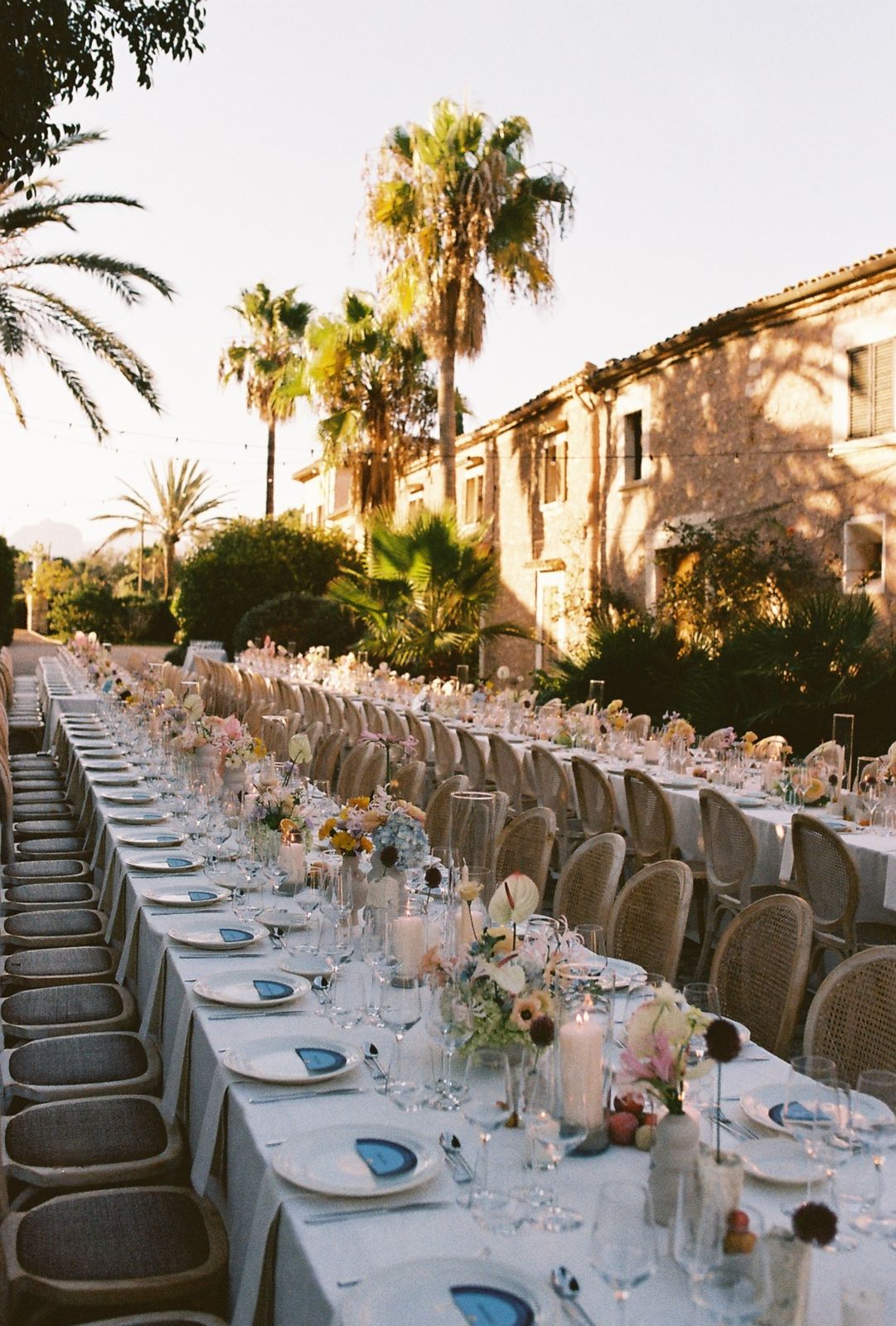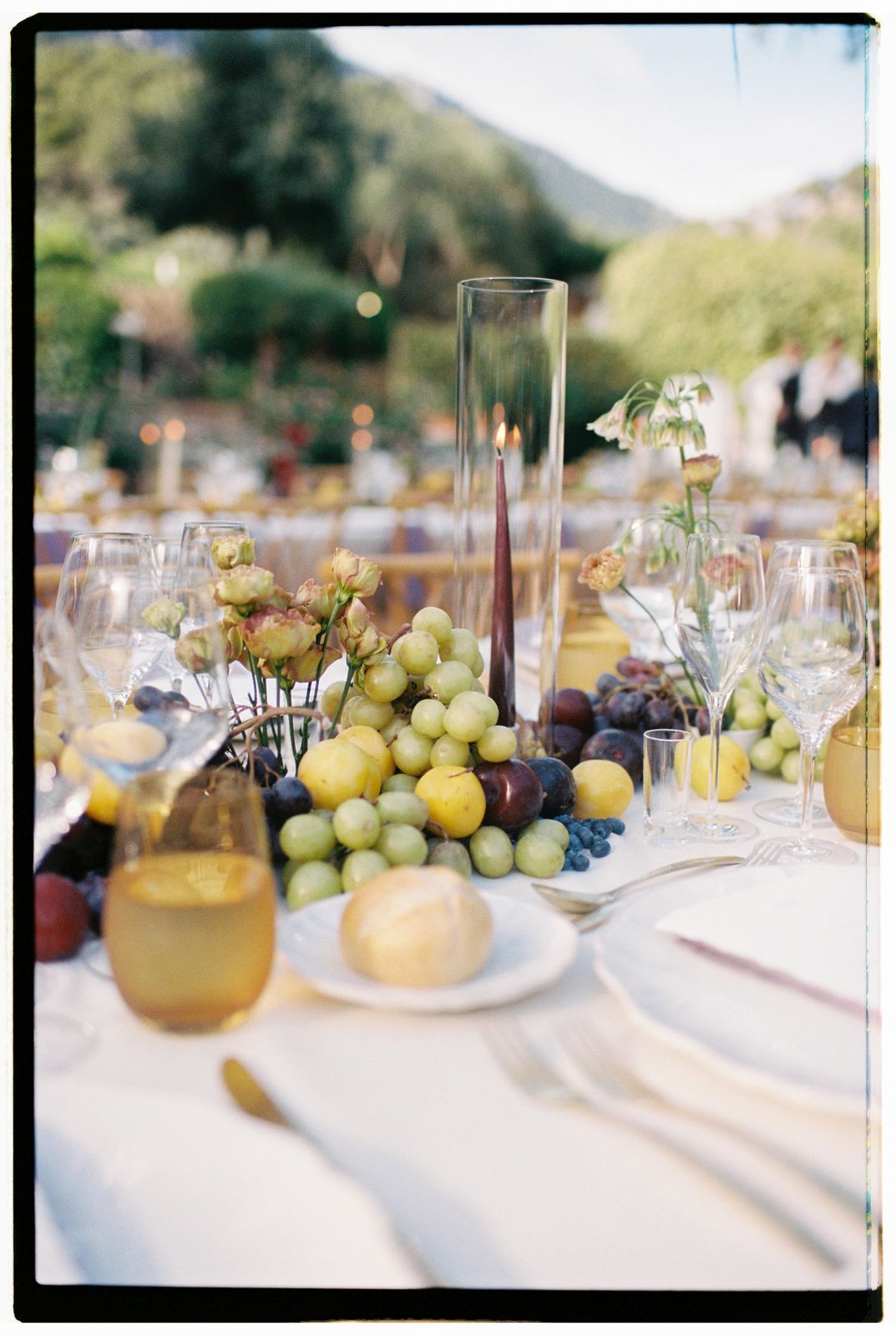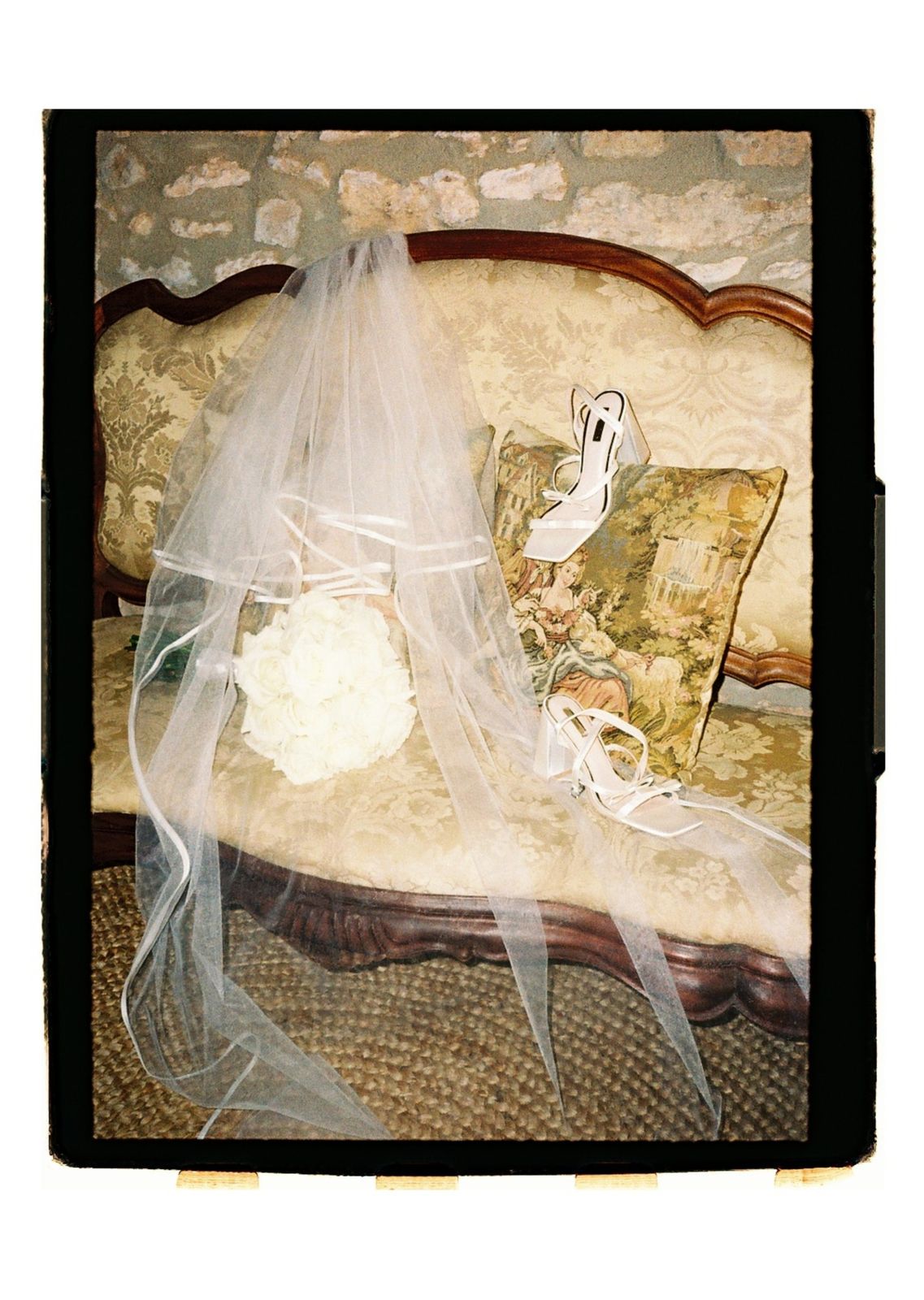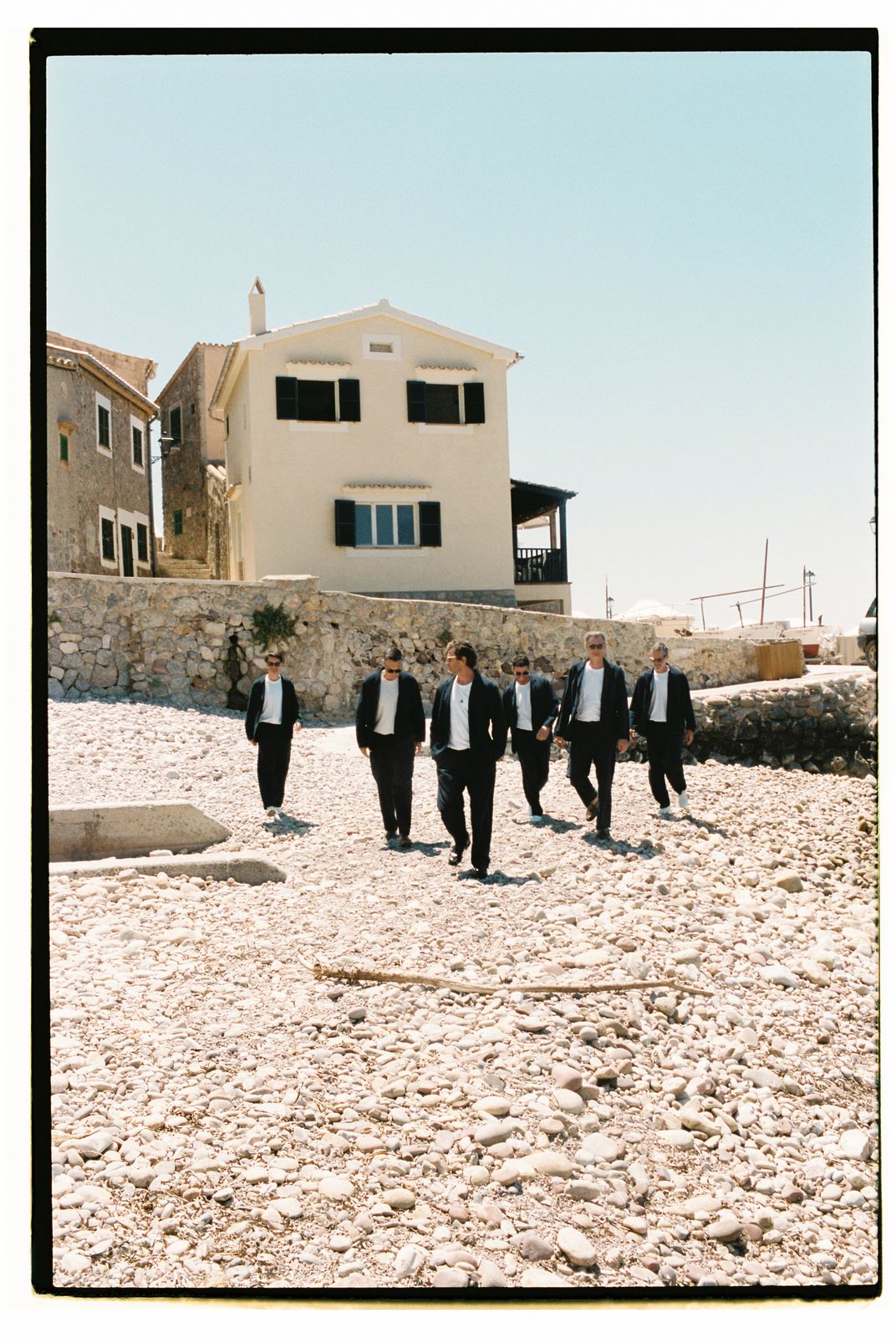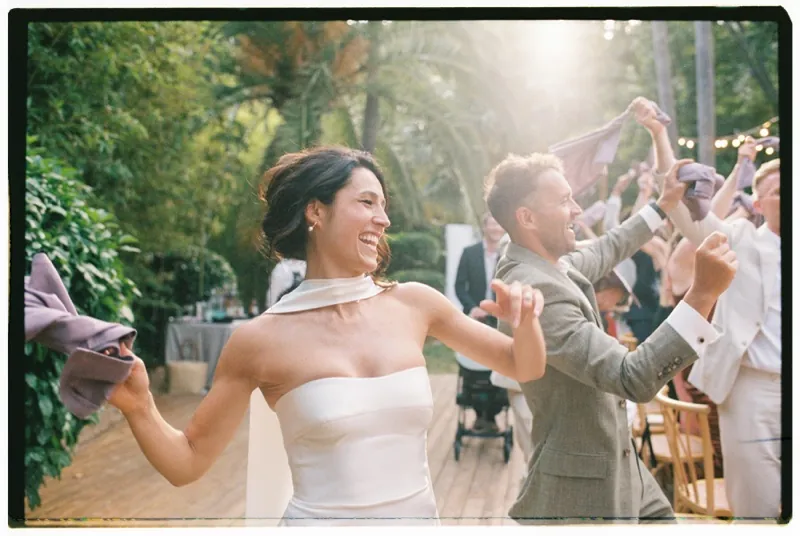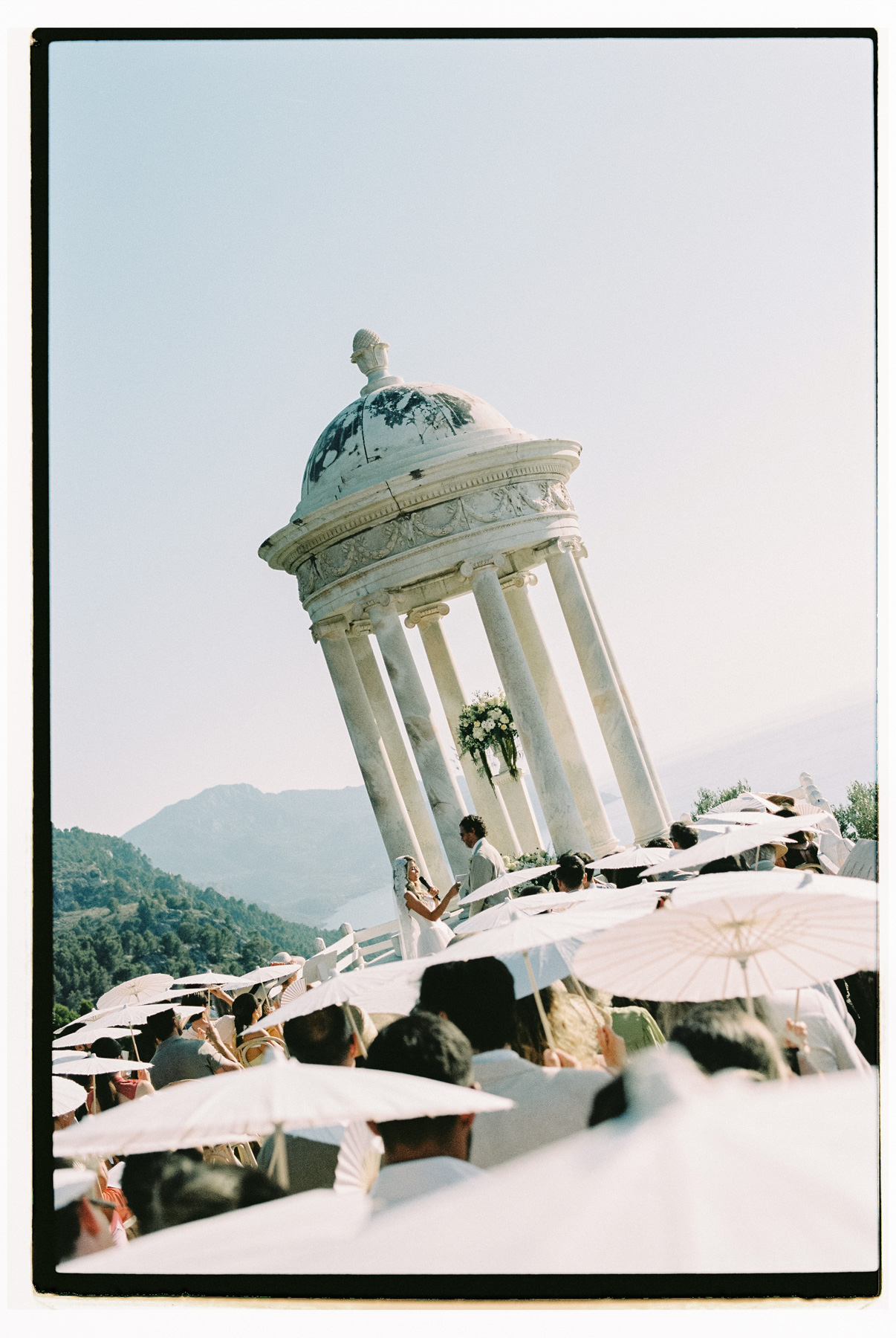
I shoot most weddings on both digital and 35mm film. People ask why, and the honest answer is that they do different things, and I want both.
Digital is precise. It gives me certainty in low light, speed when a day is moving fast, and the ability to work through a ceremony without thinking about how many frames I have left. For a documentary photographer, that matters. Most of what happens at a wedding happens once.
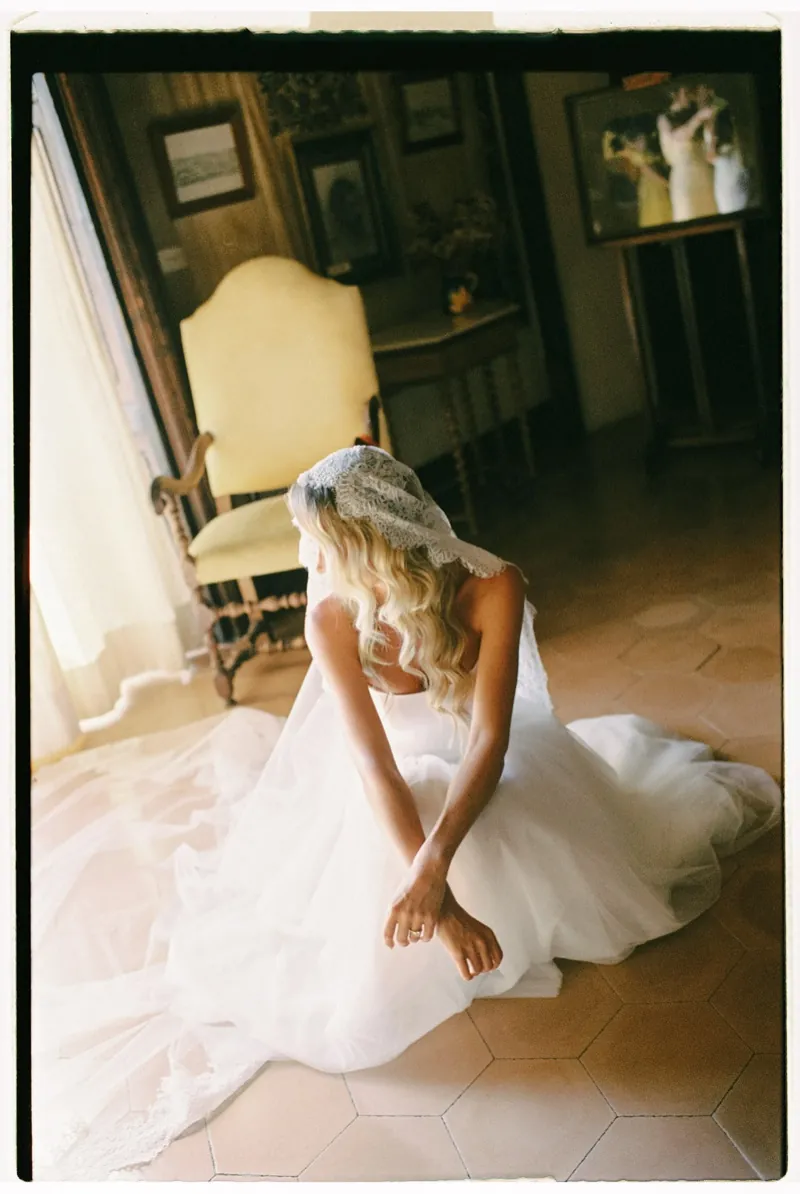
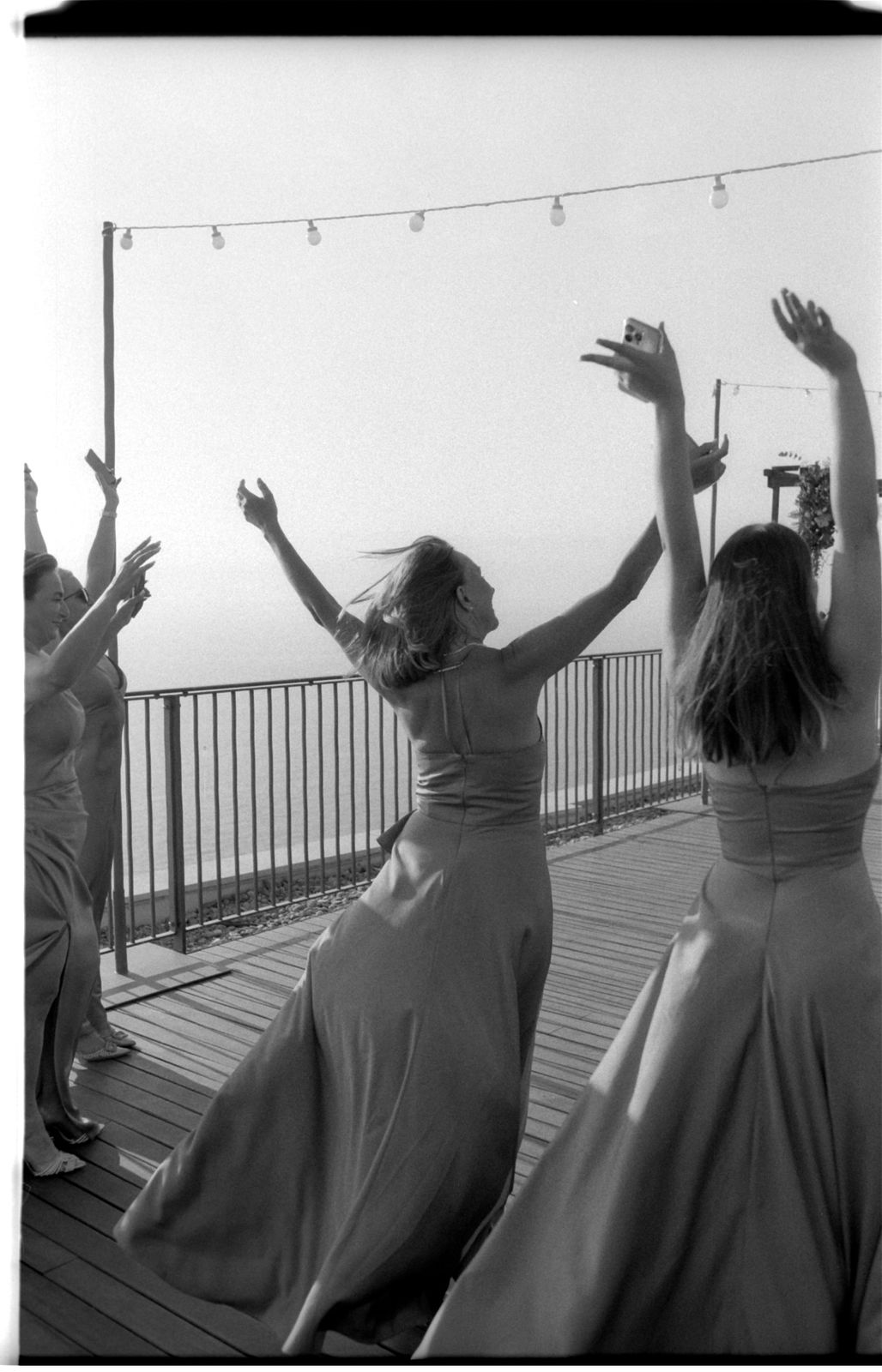
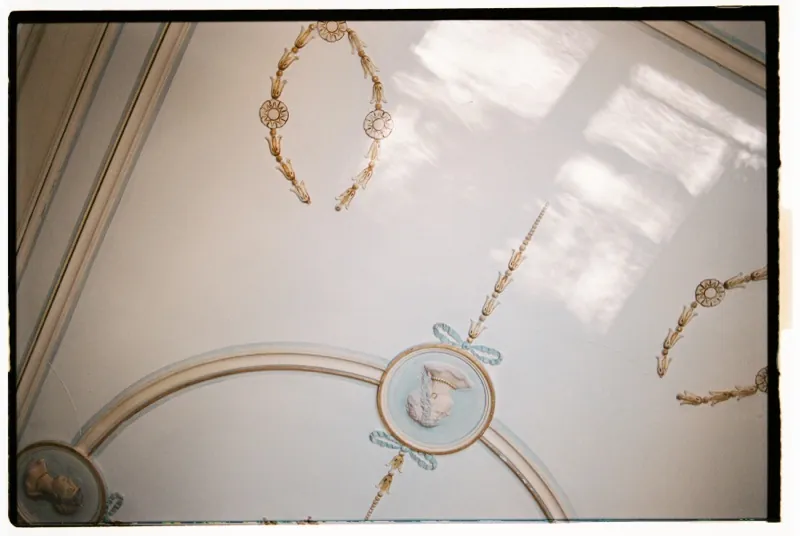
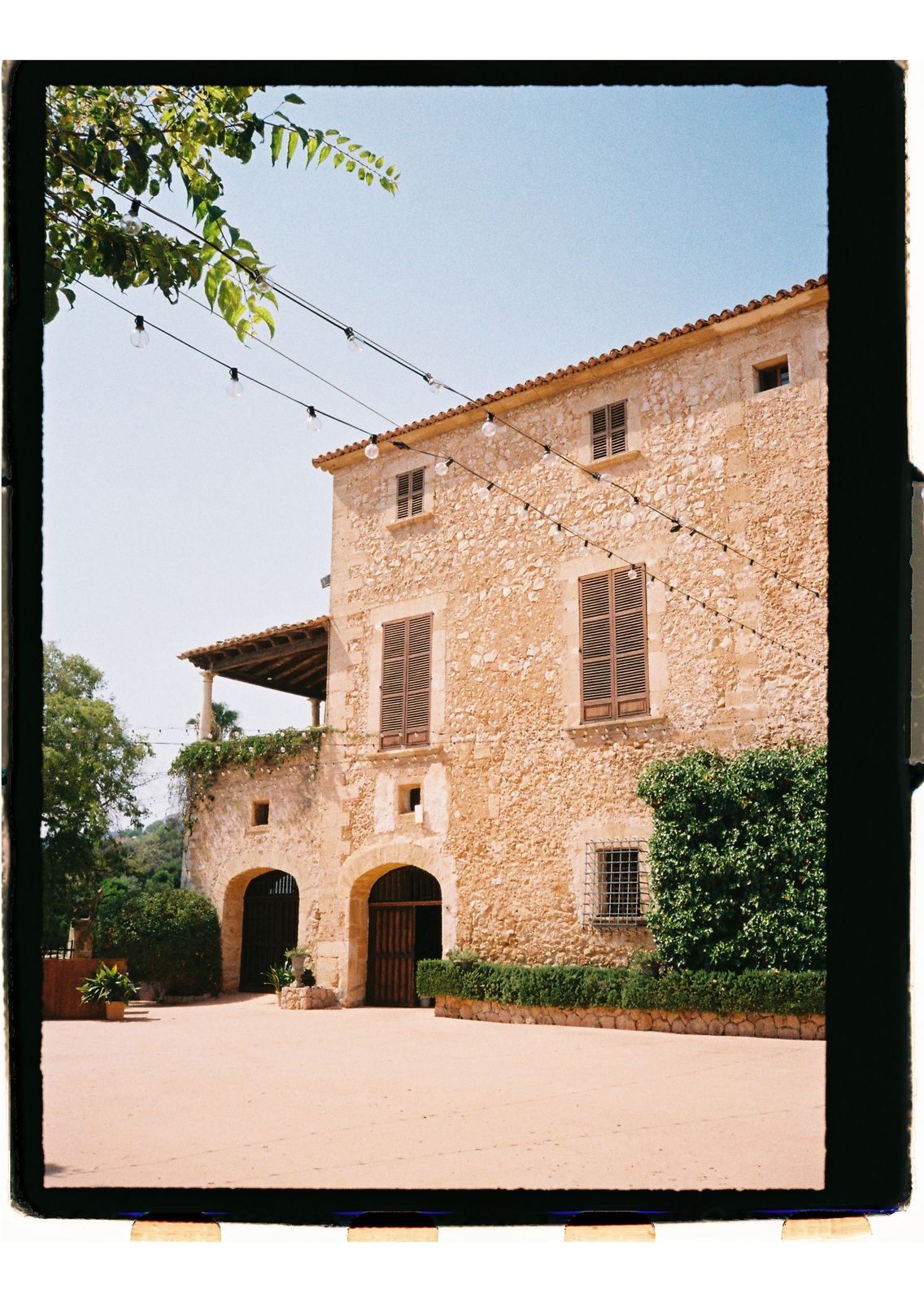
The discipline of thirty-six frames
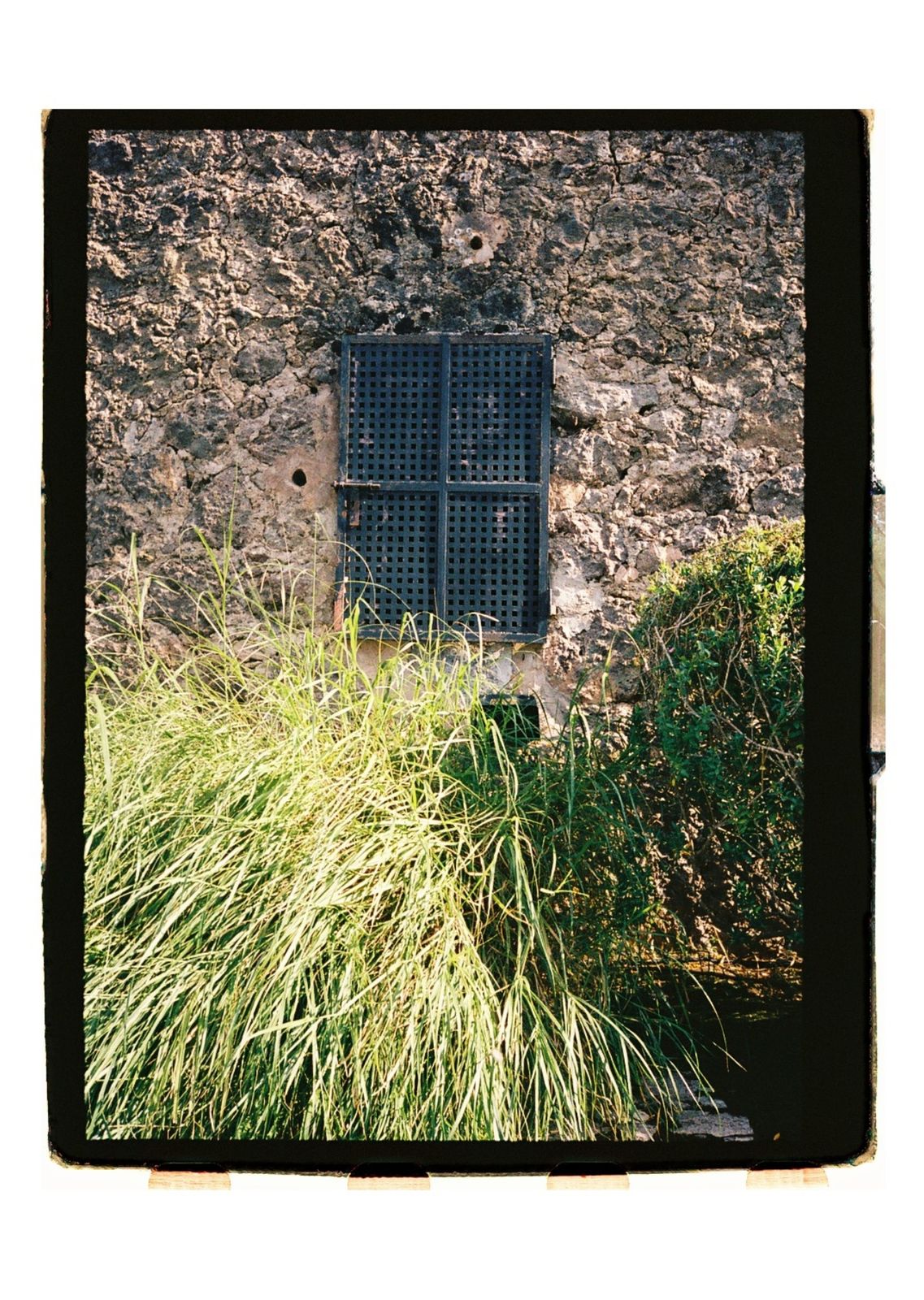
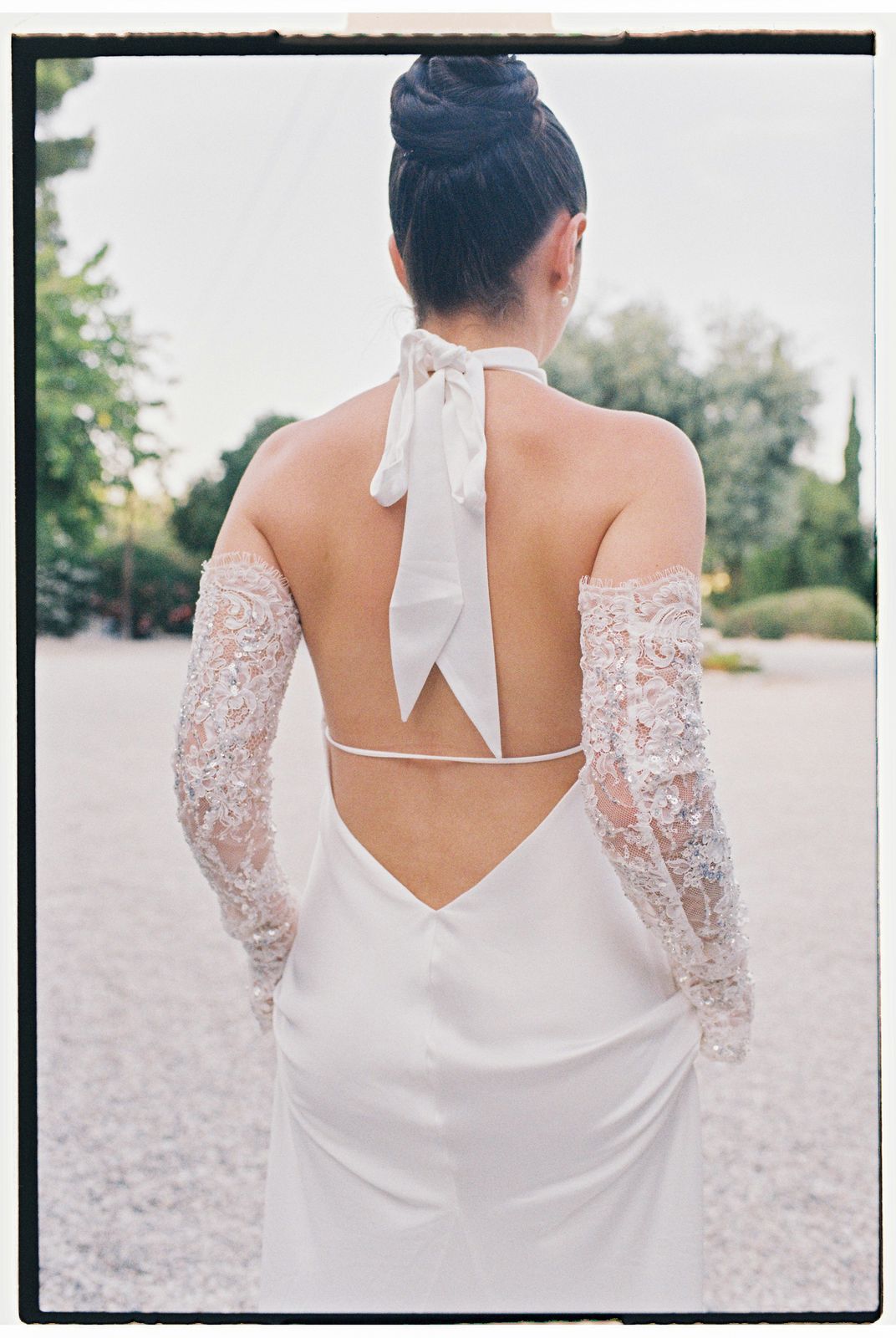
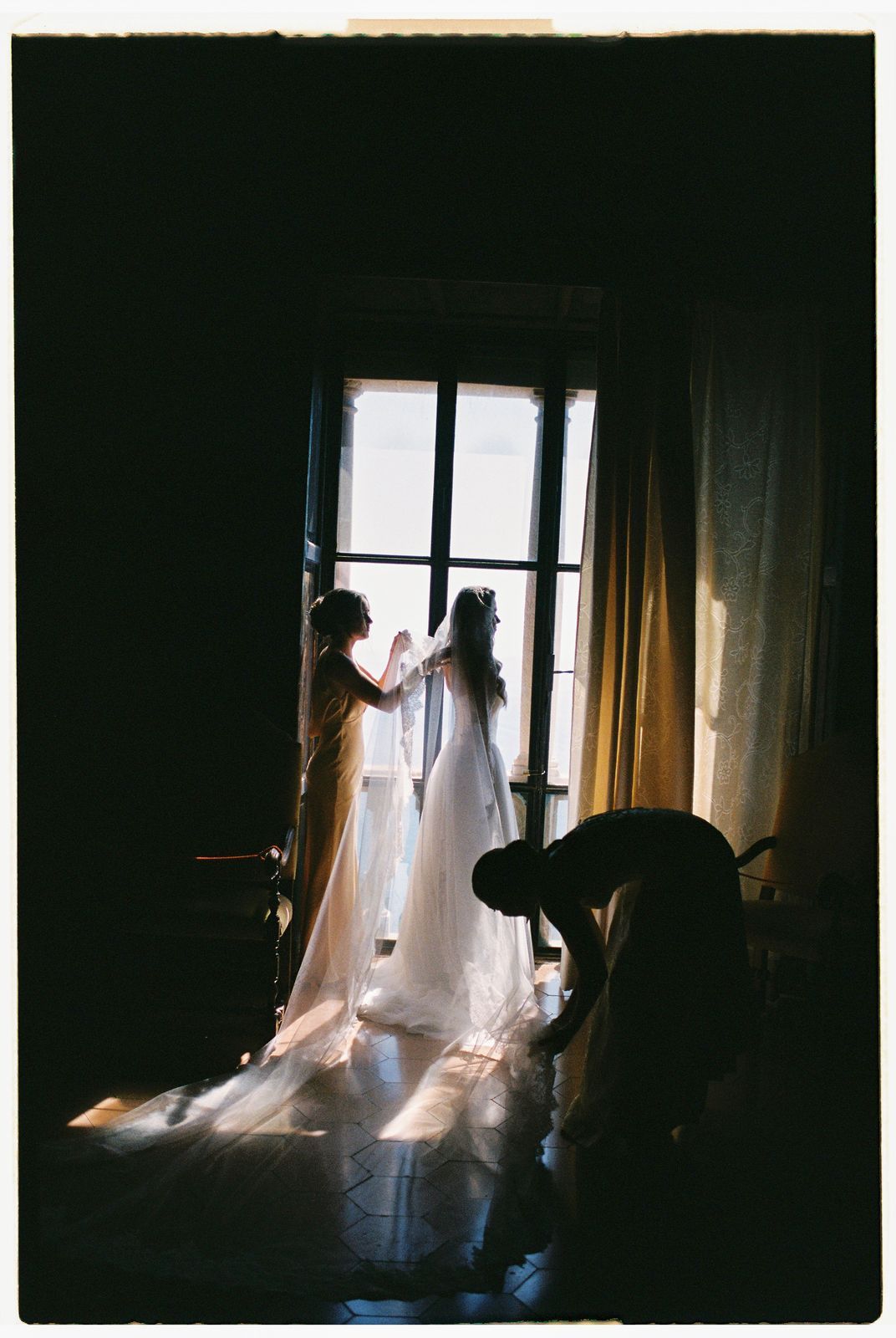
Film asks something else of me. Thirty-six frames on a roll. No screen to check. A cost attached to every press of the shutter that makes you slow down and decide whether a moment is actually worth taking. That constraint isn't nostalgia. It changes how I see. I wait longer. I anticipate rather than react. I take fewer pictures and I mean more of them.
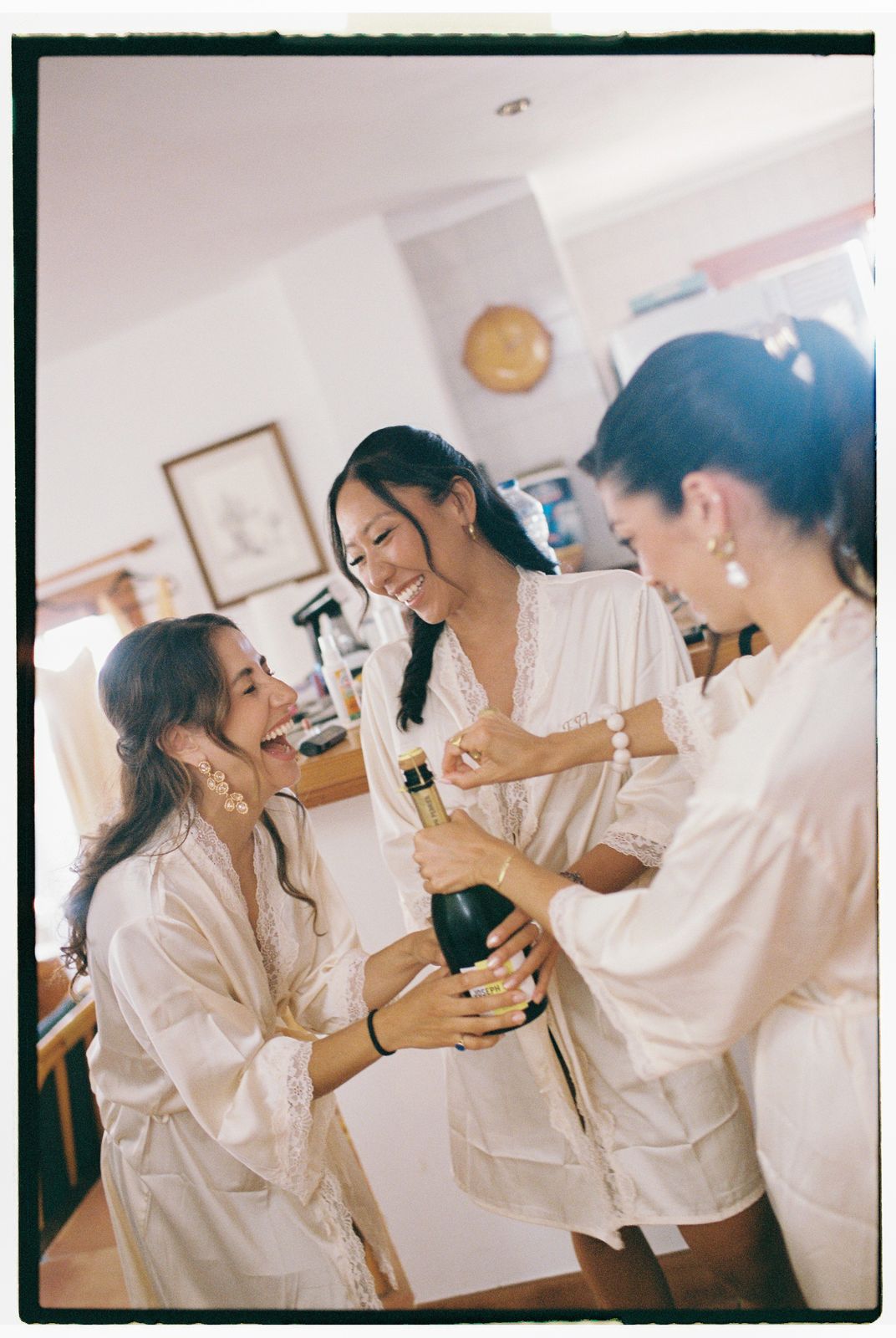
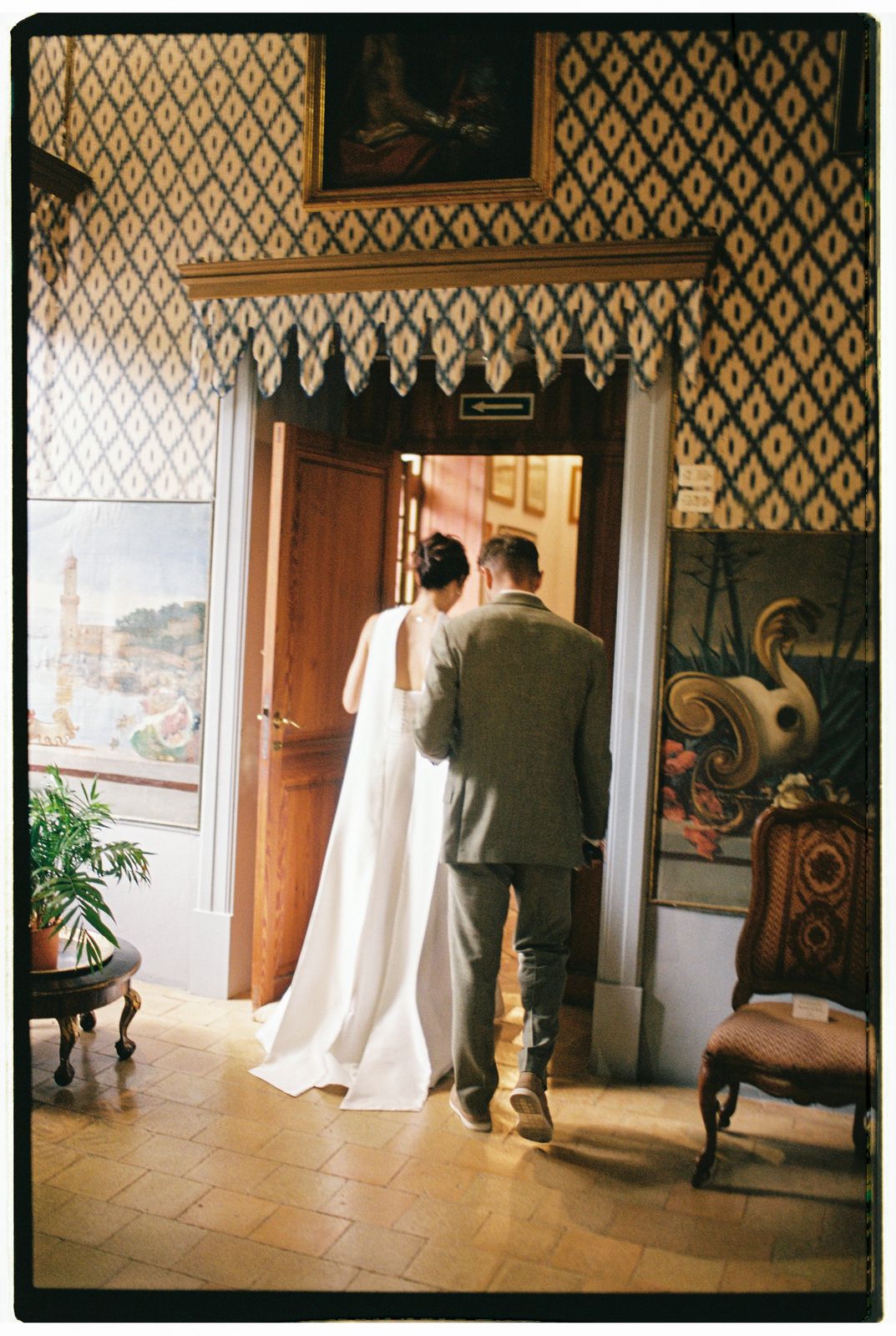
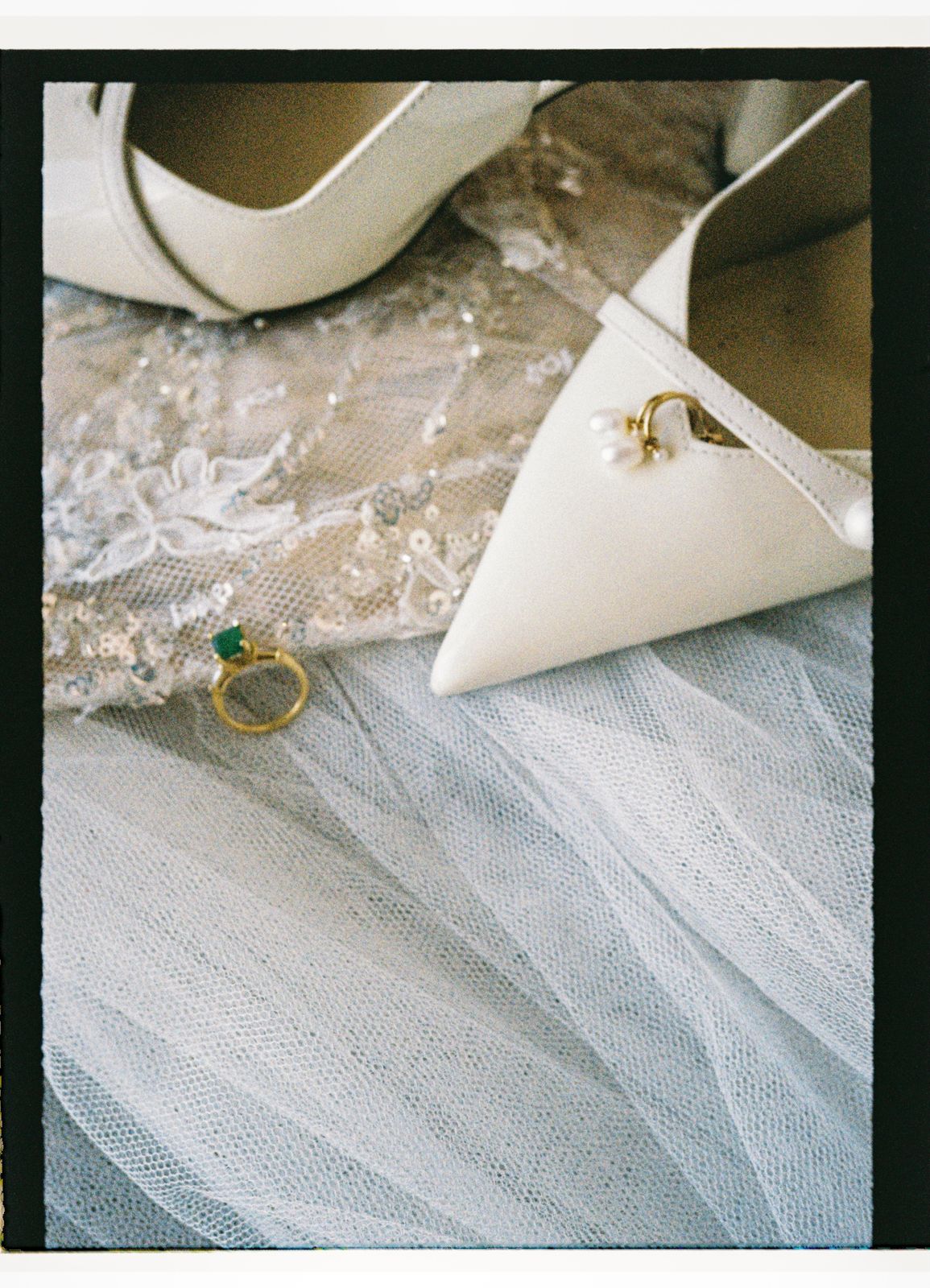
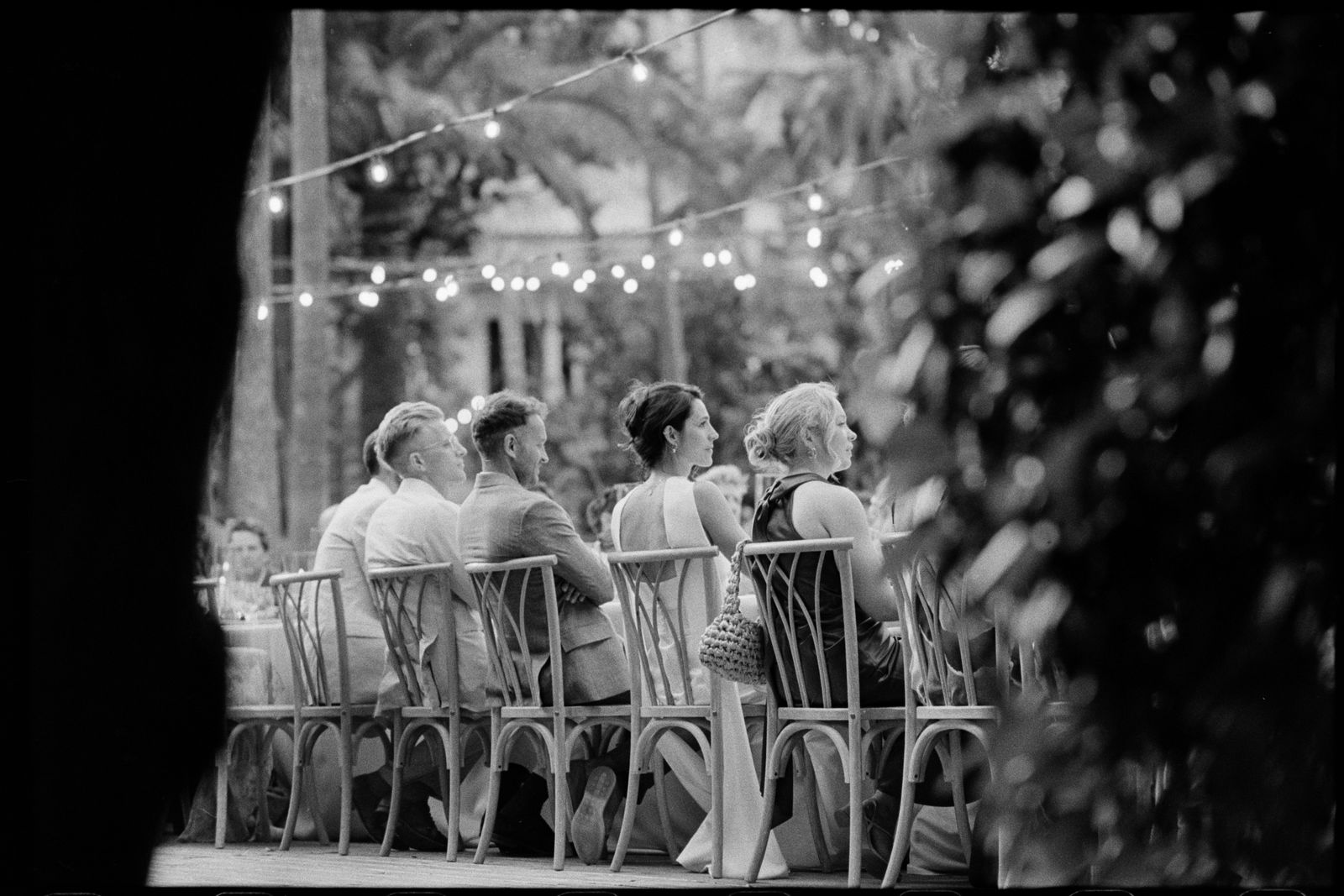
What Mallorca light does on film
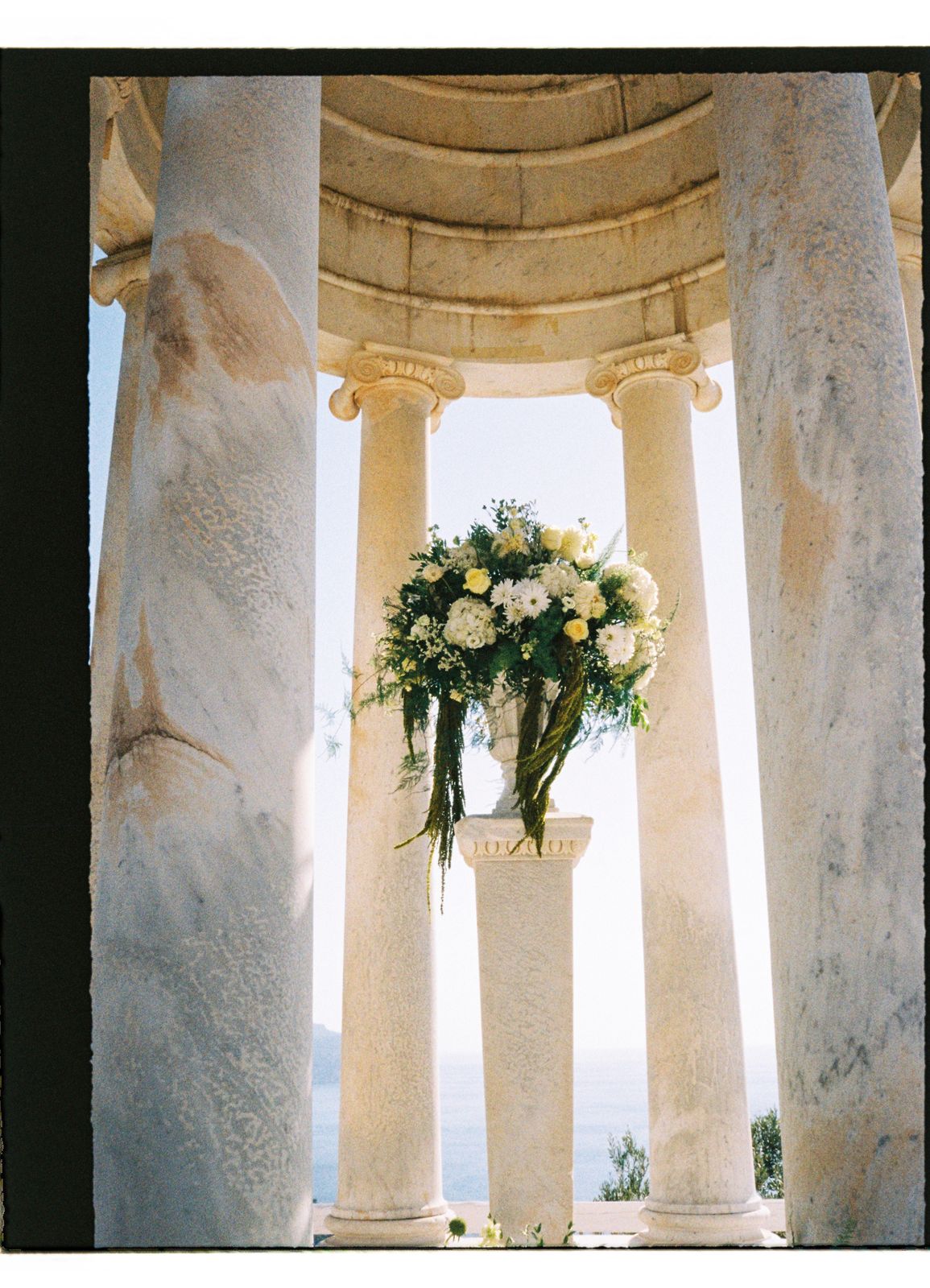
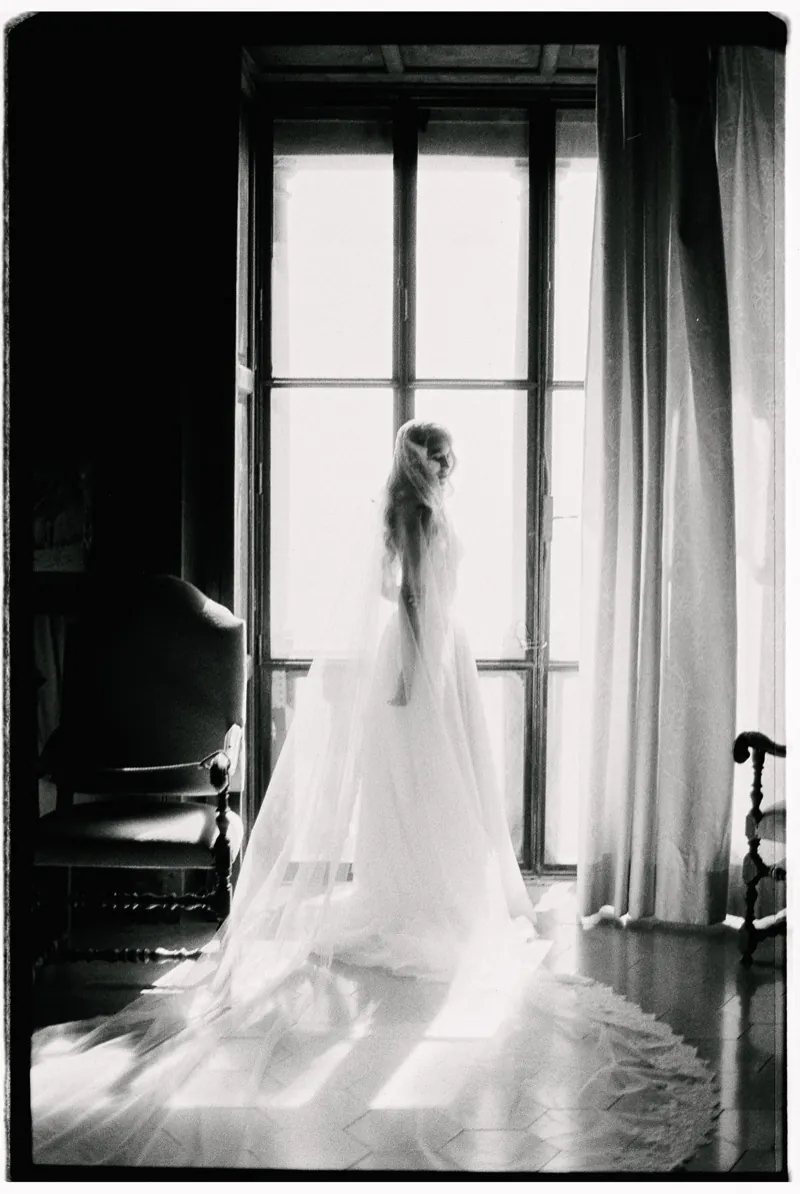
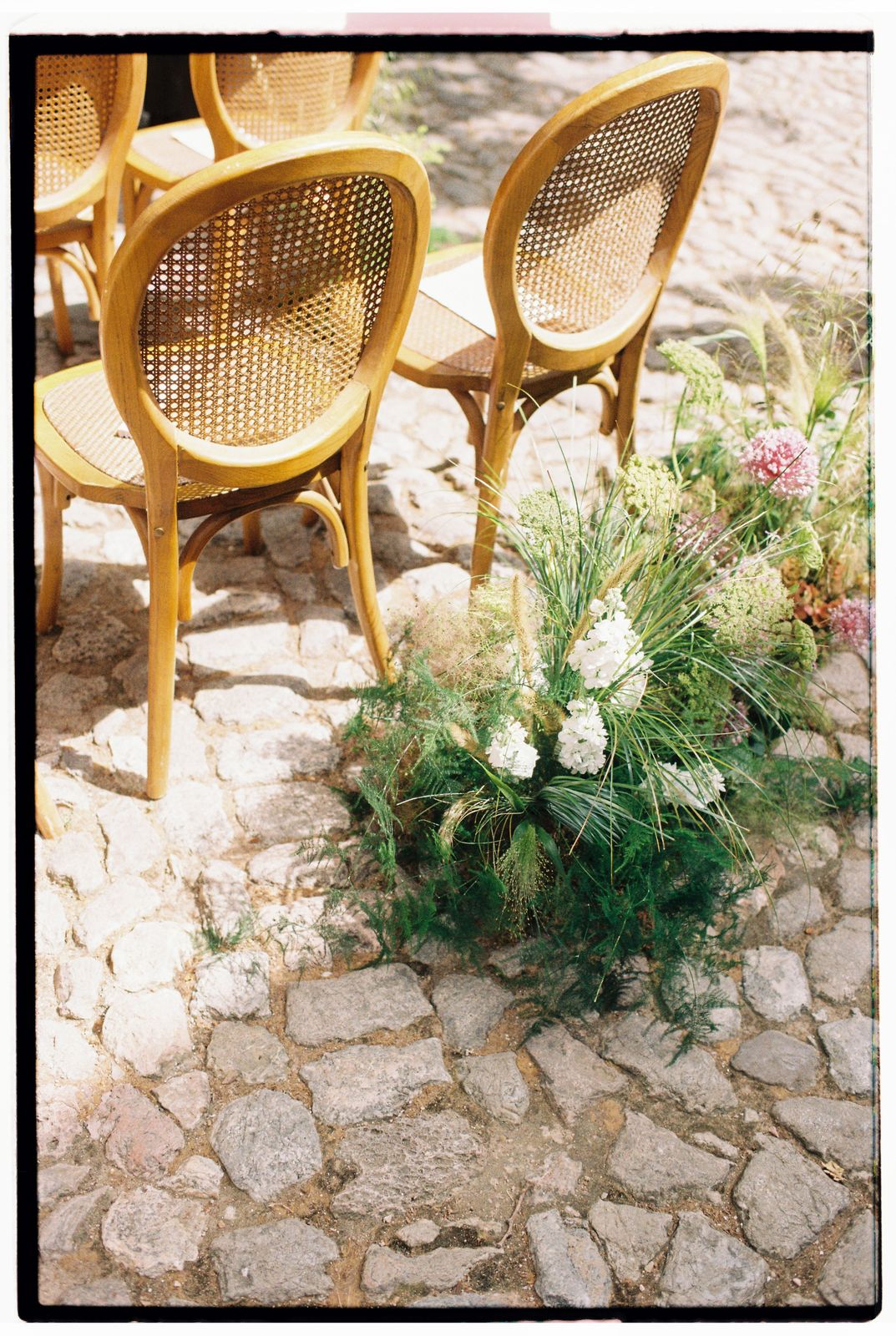
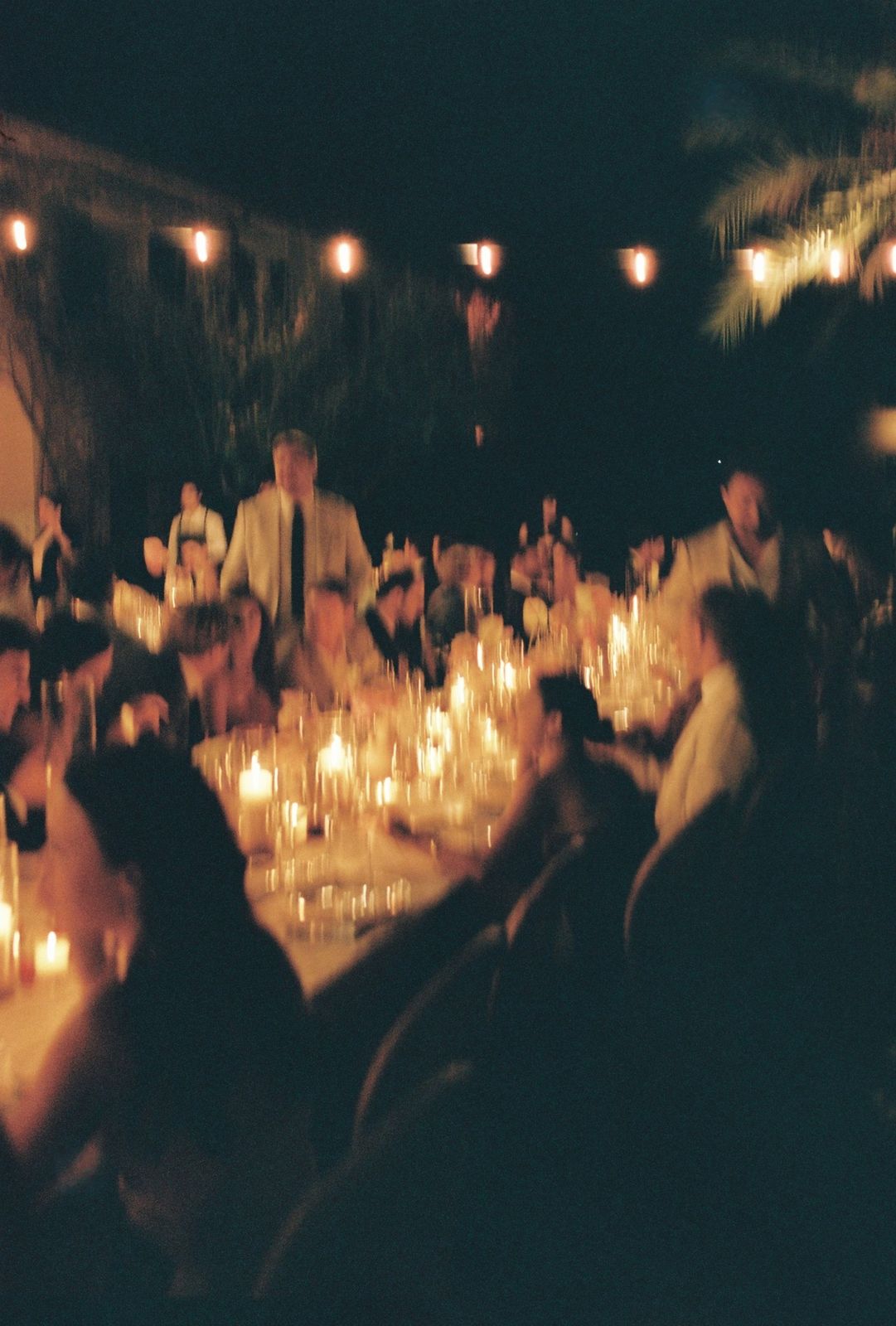
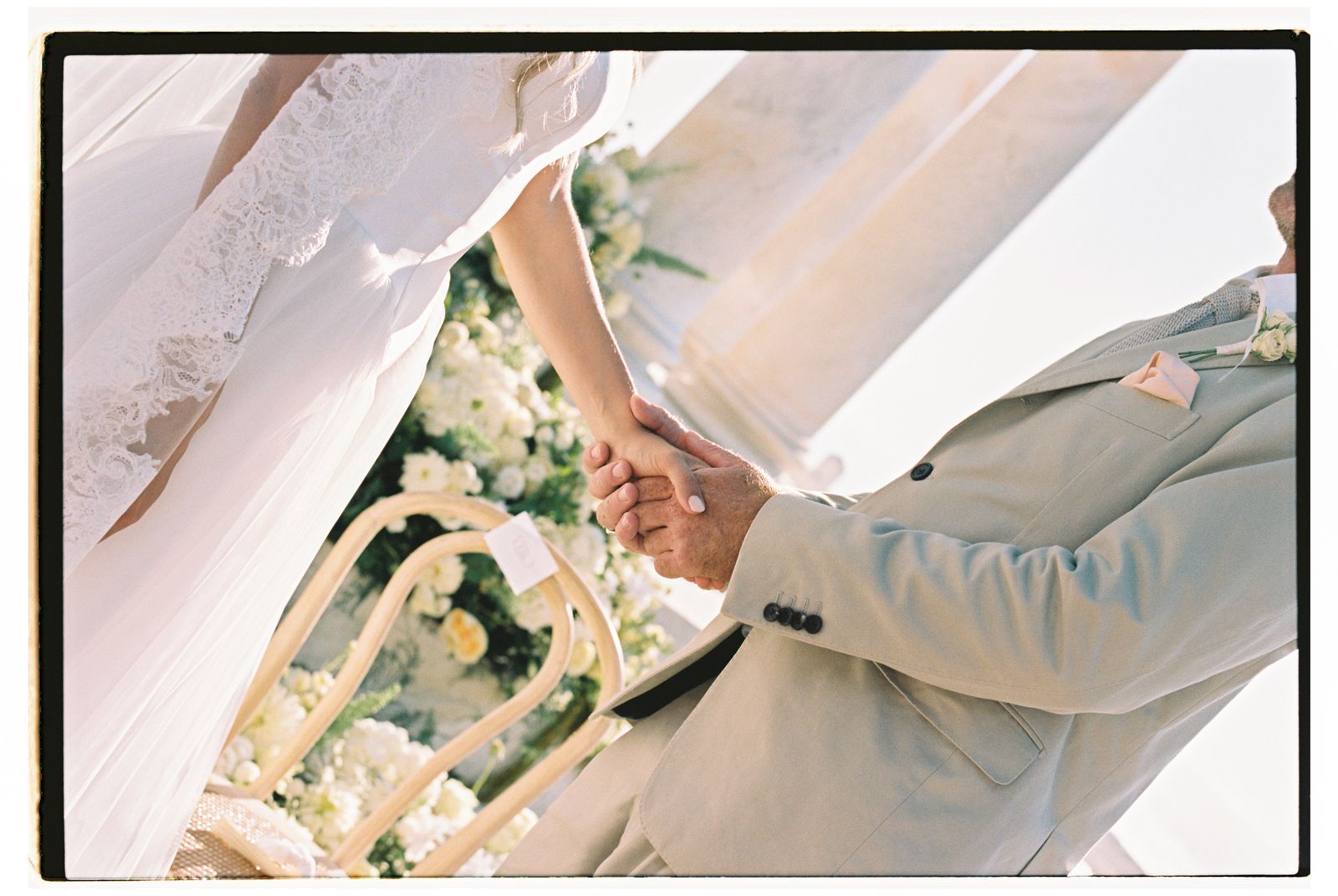
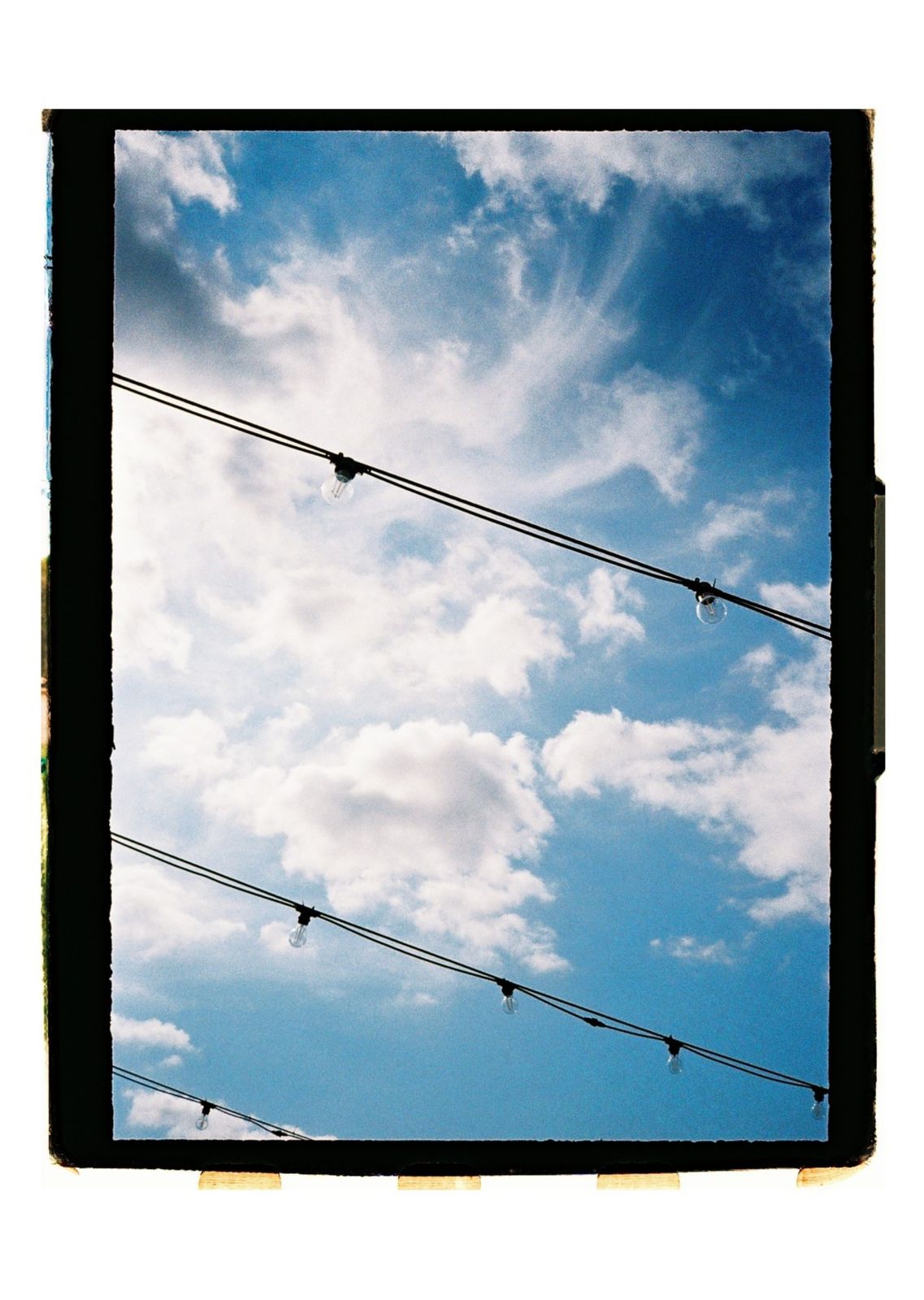
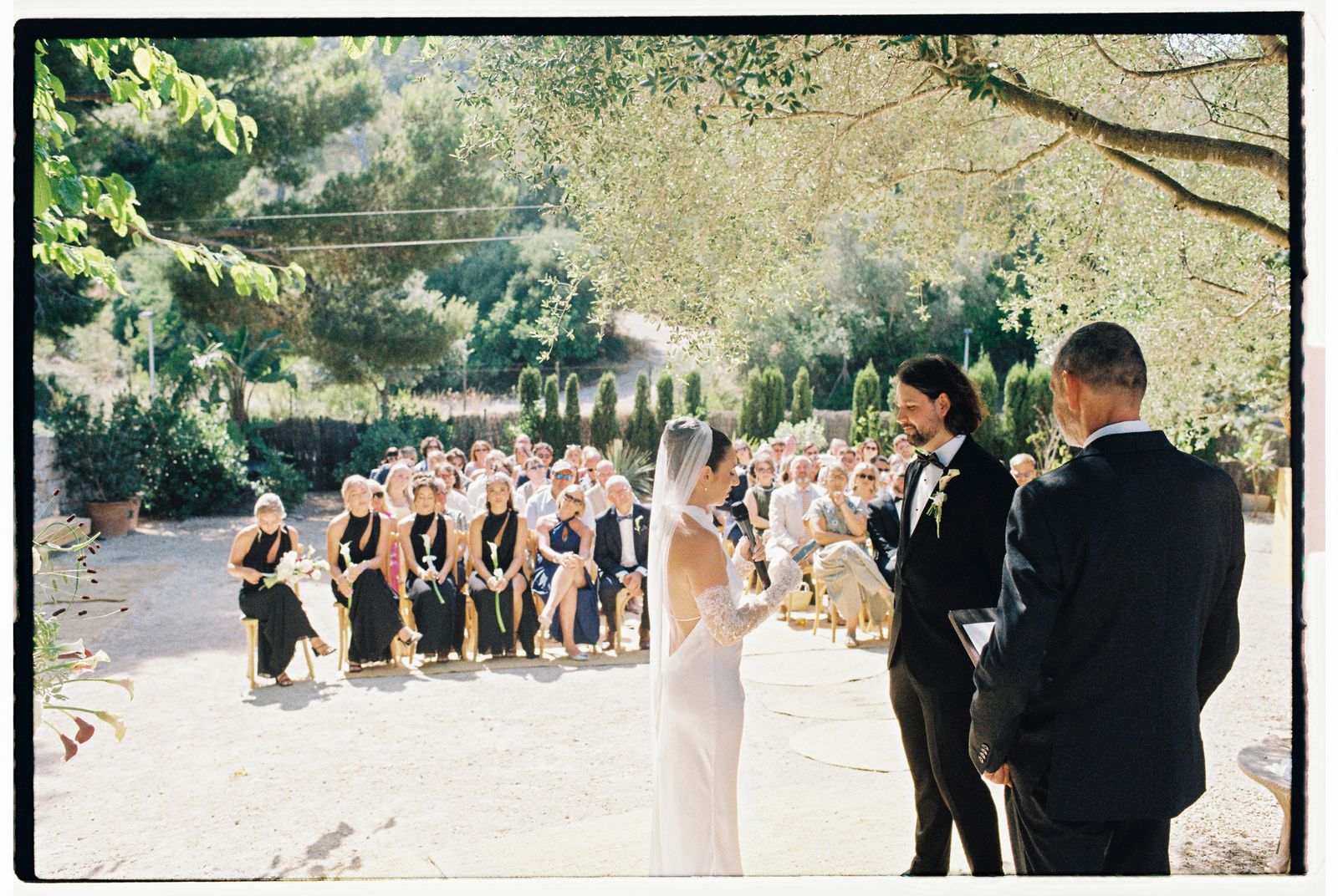
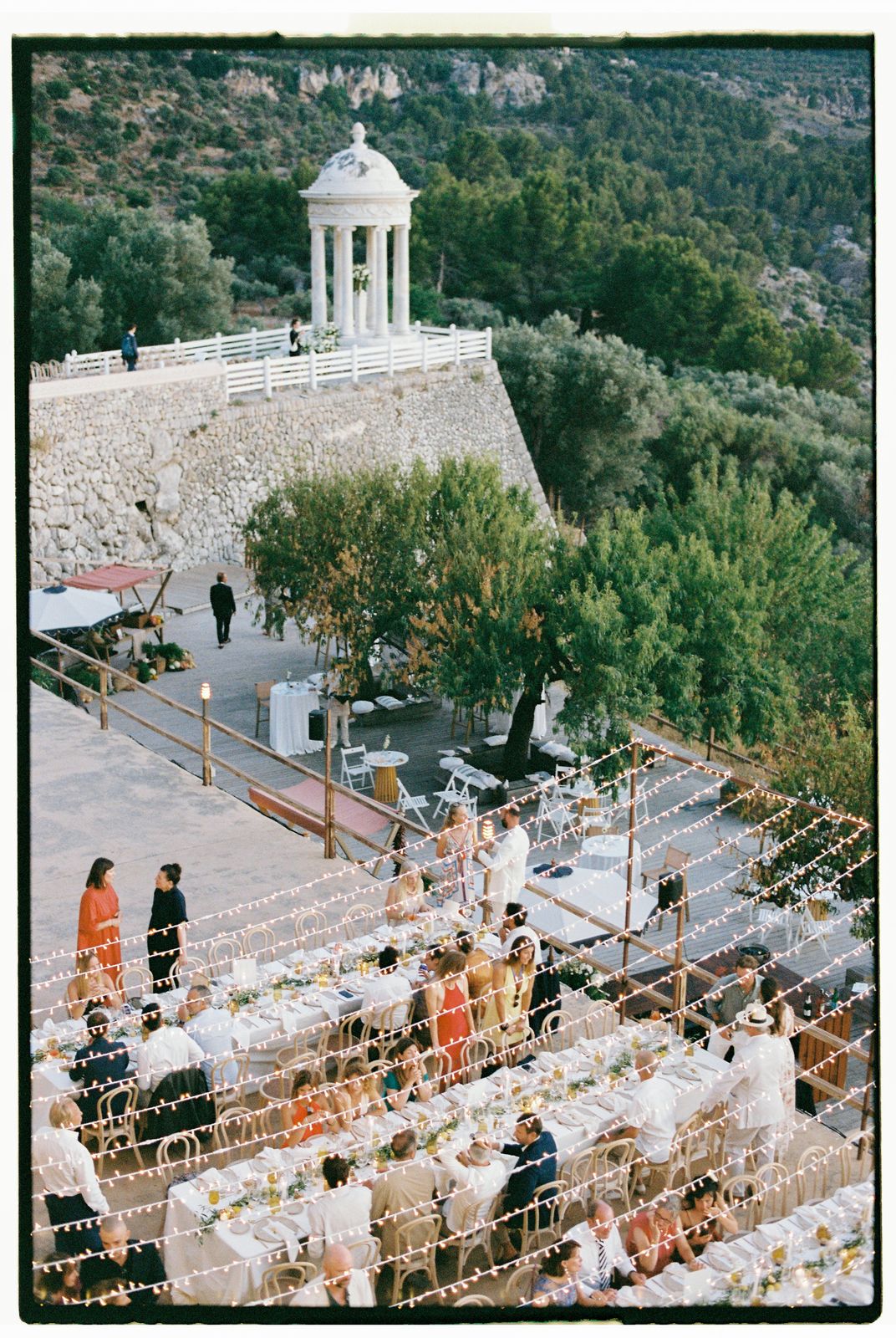
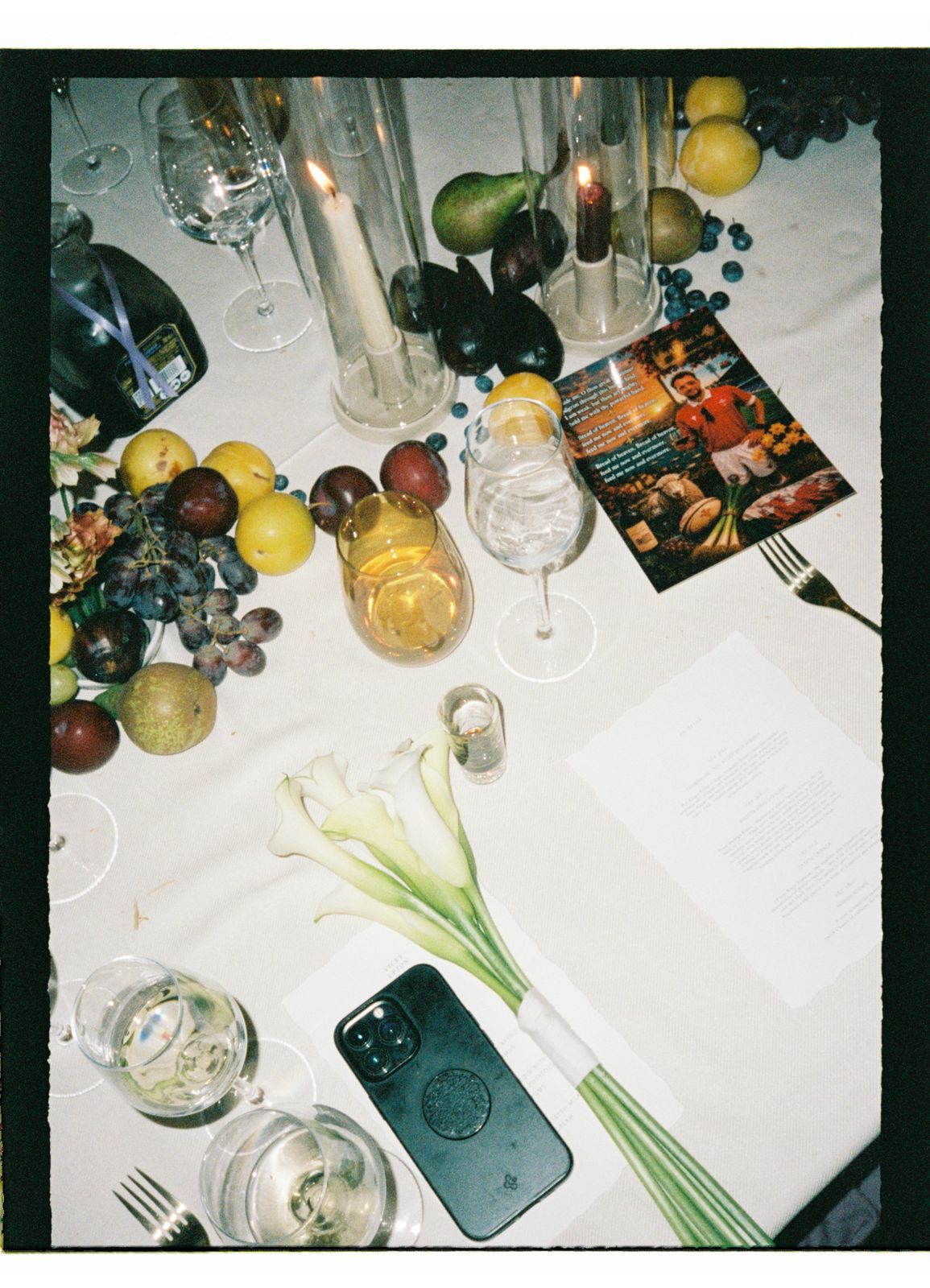
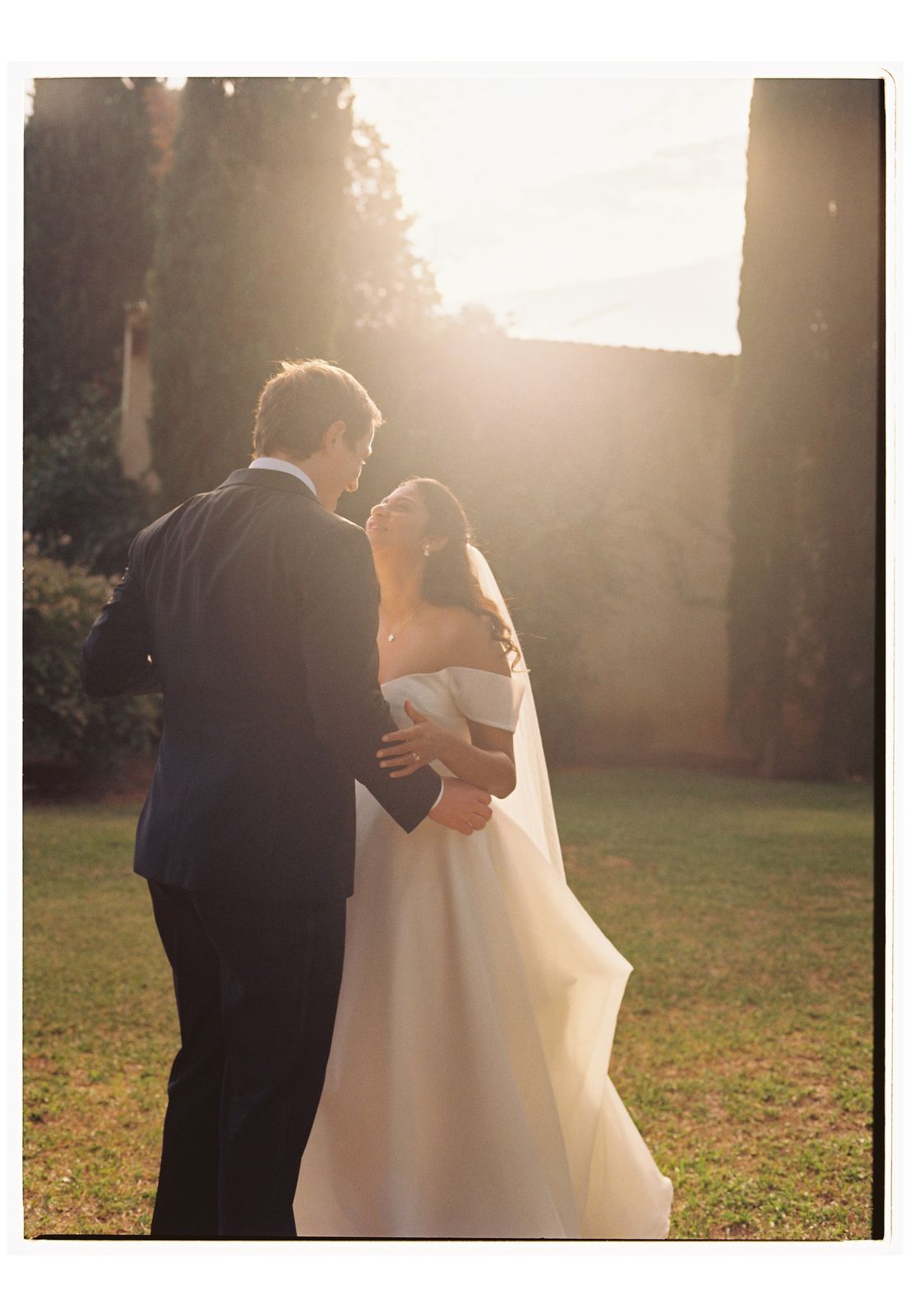
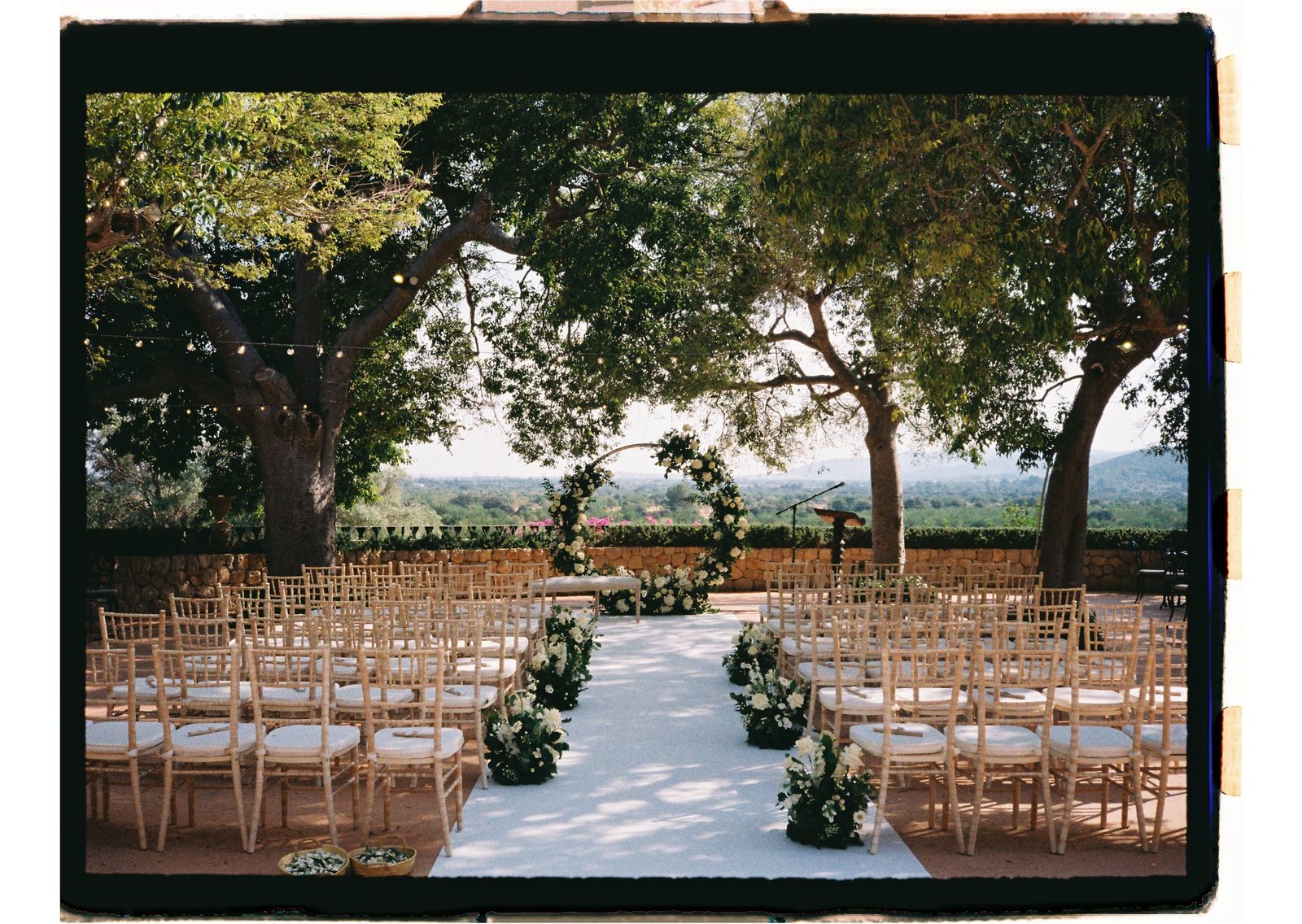
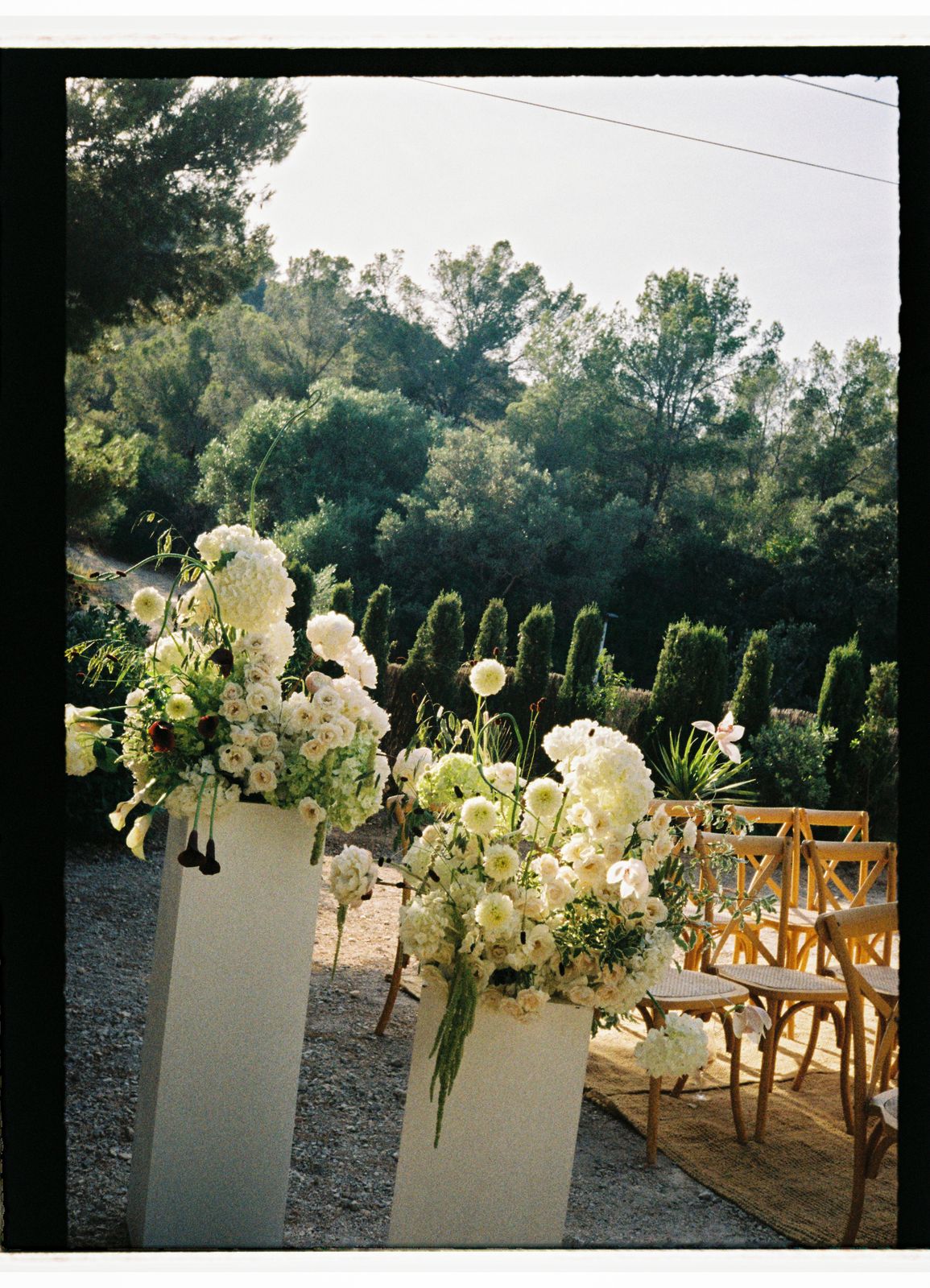
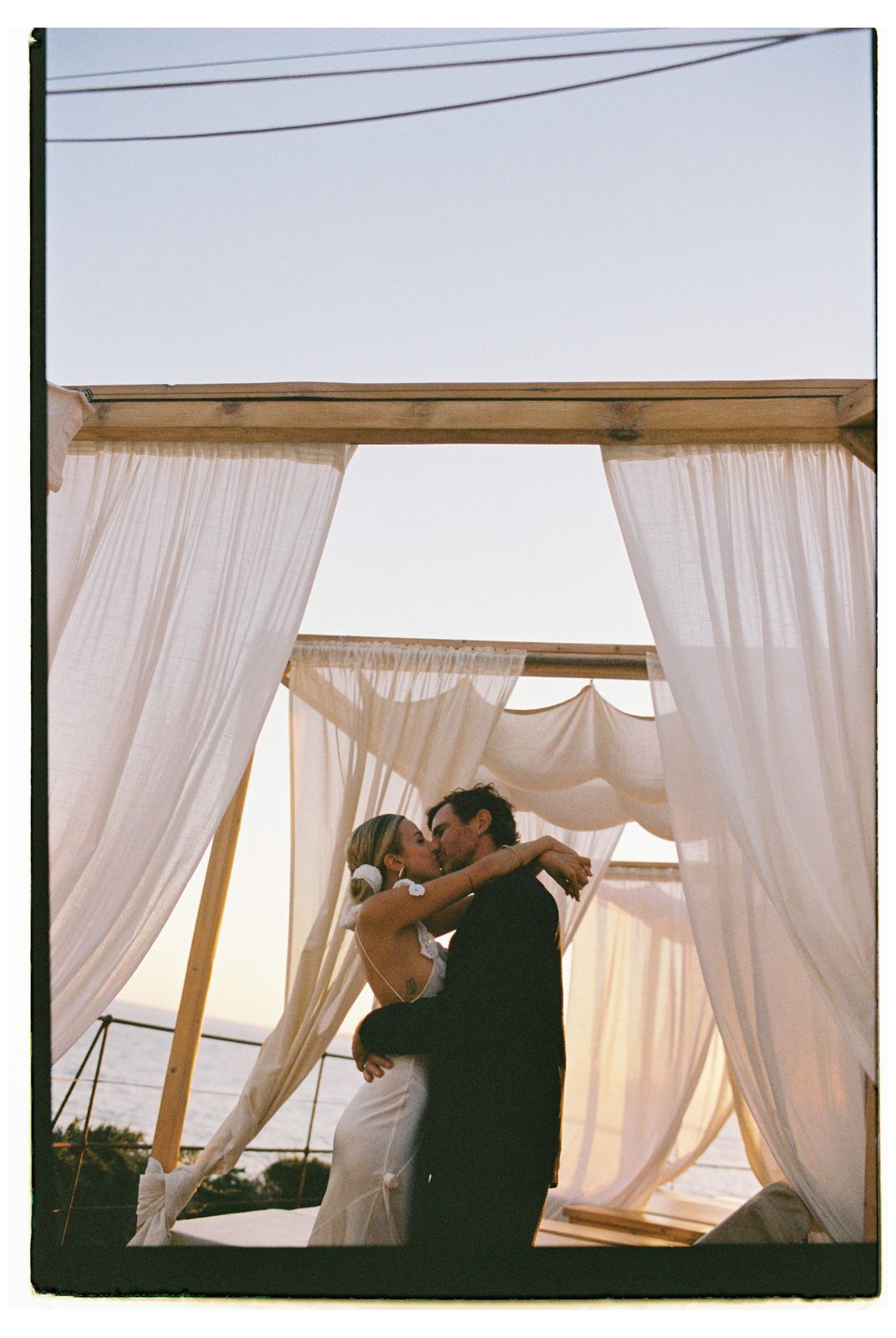
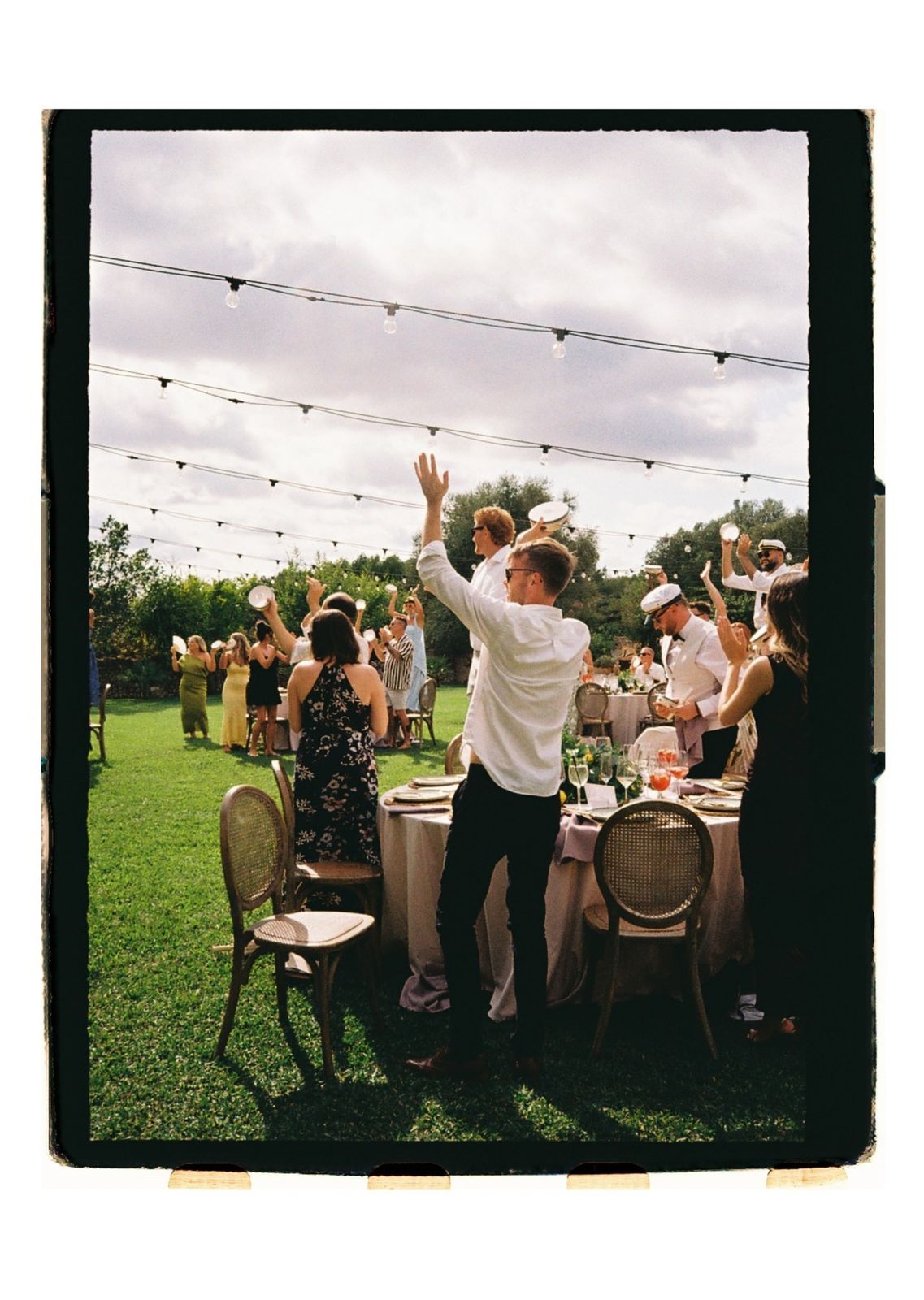
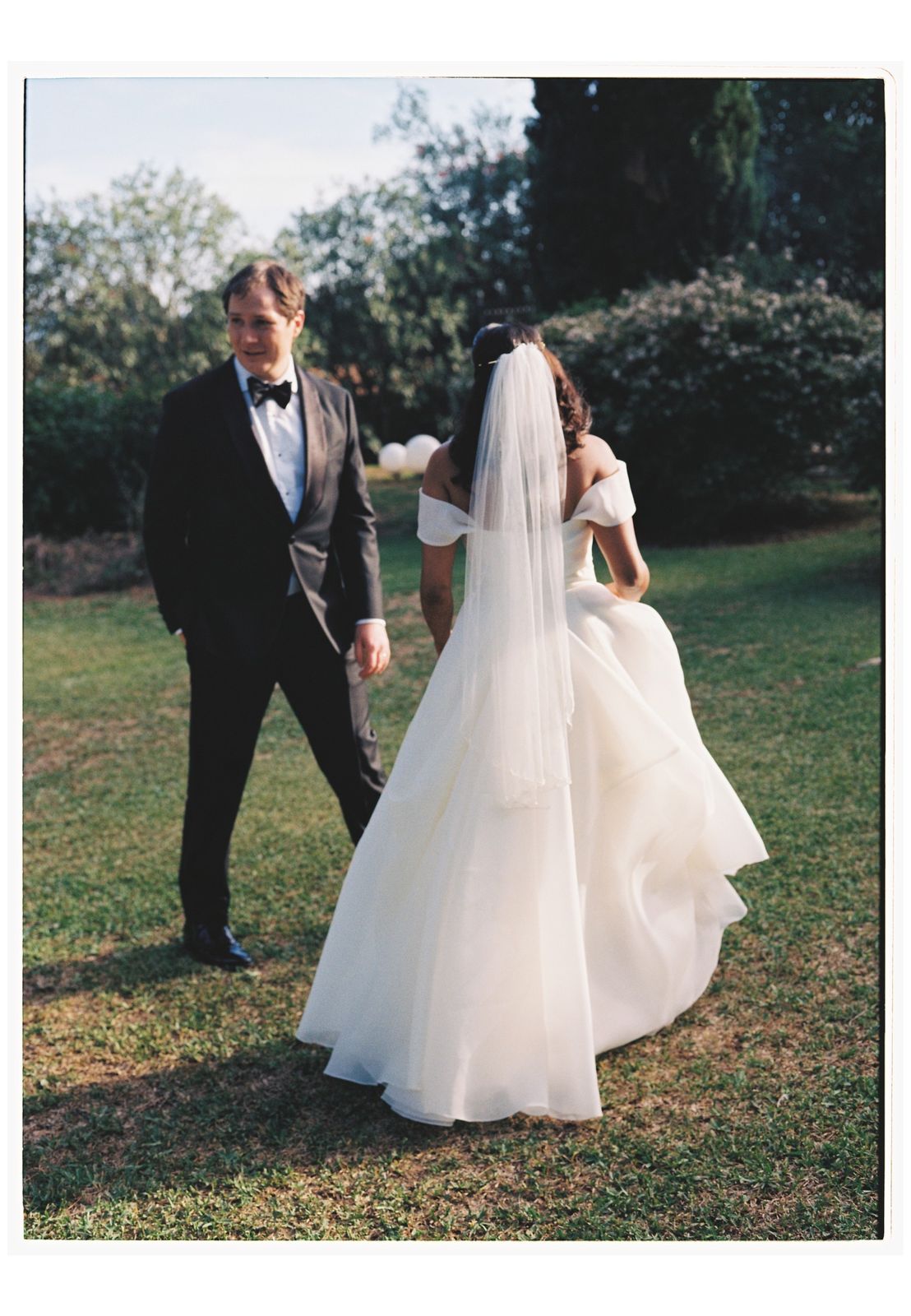
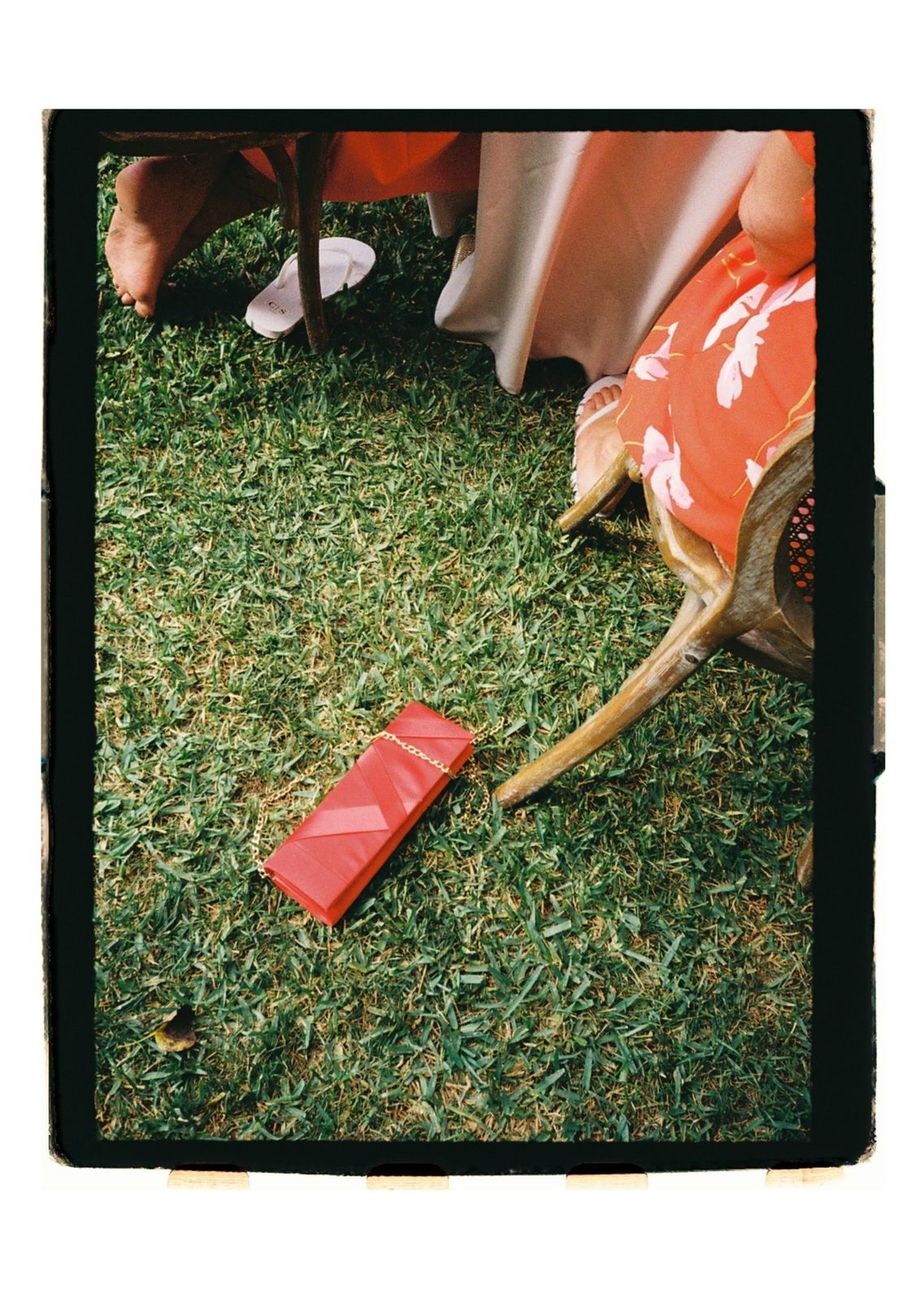
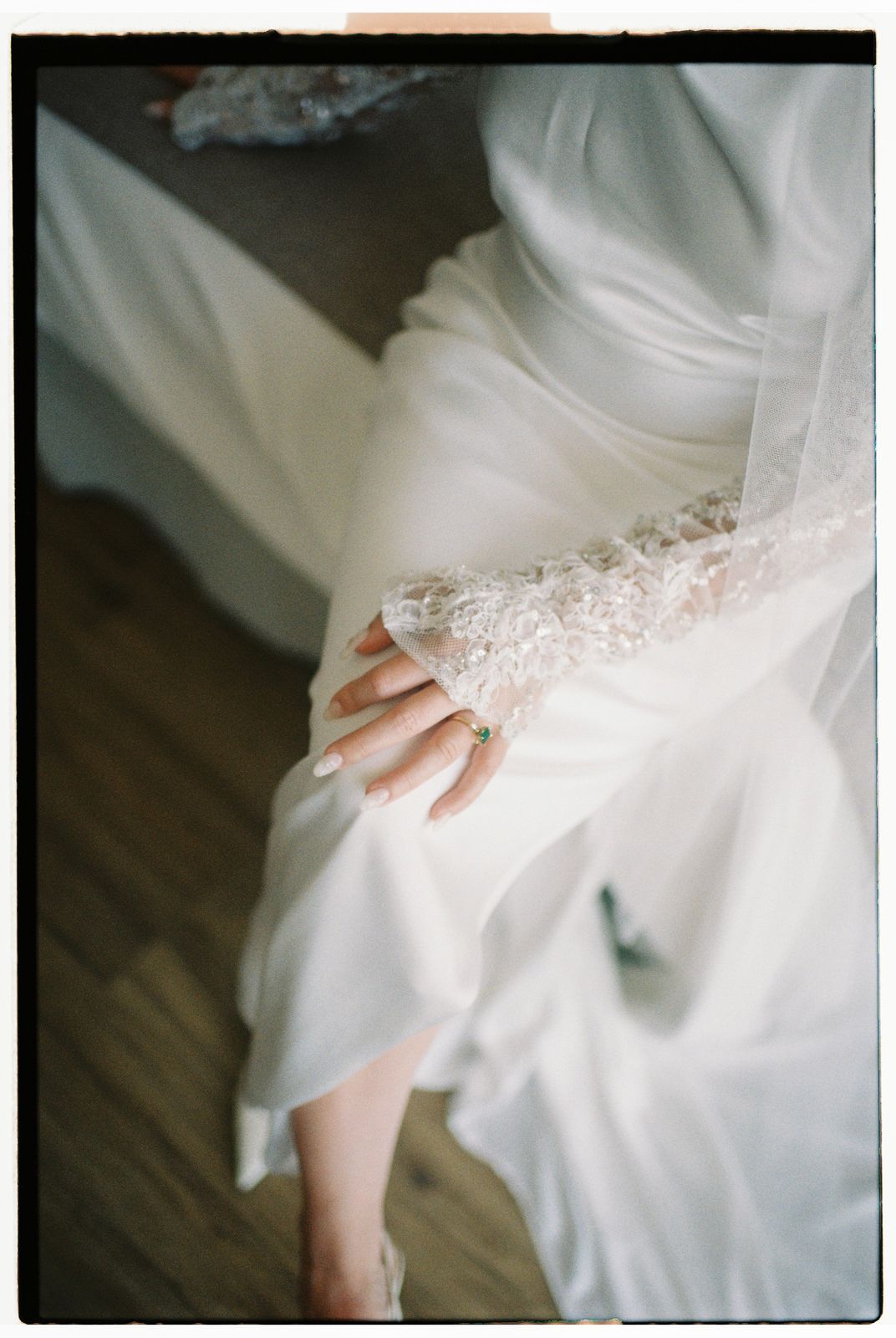
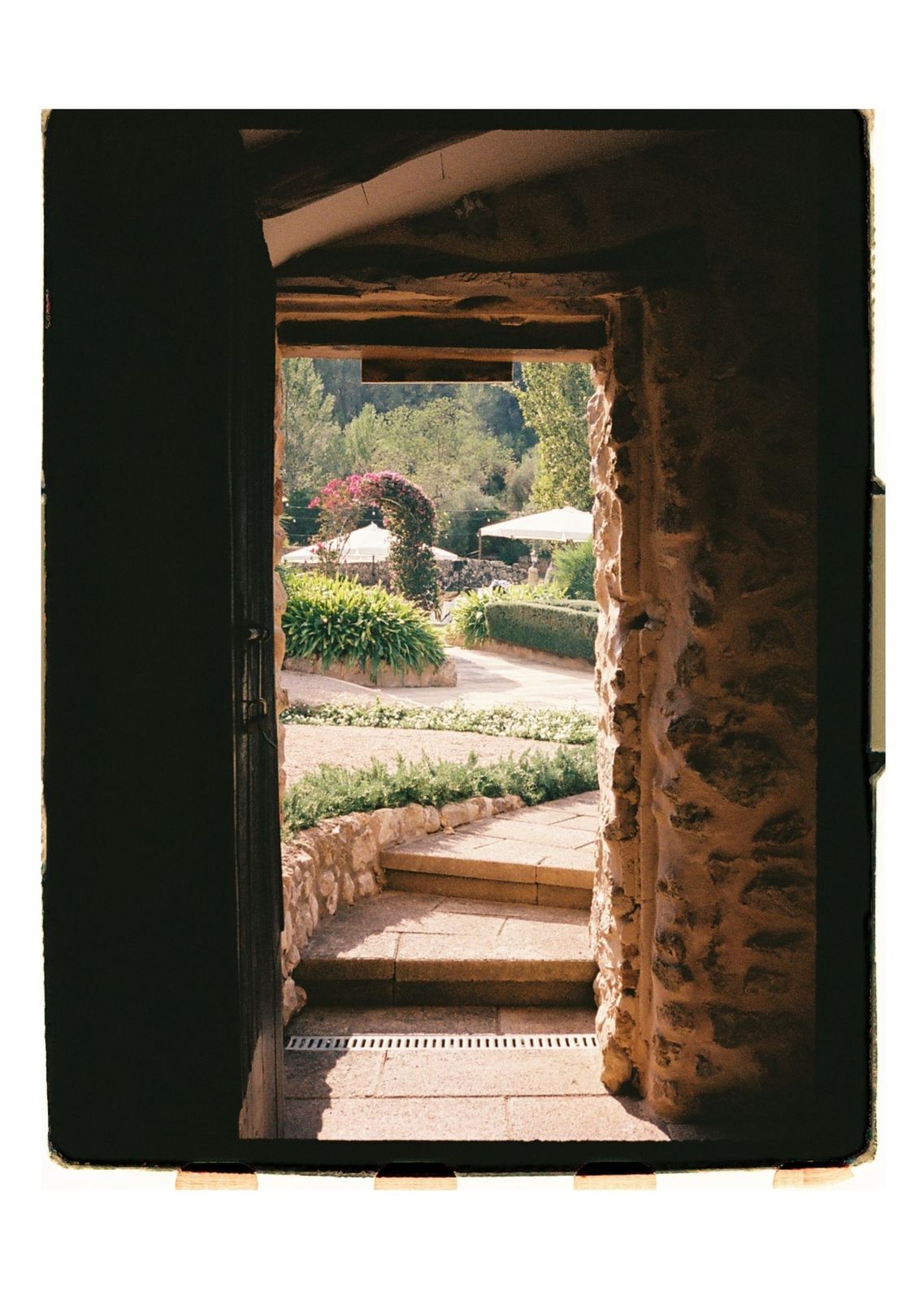
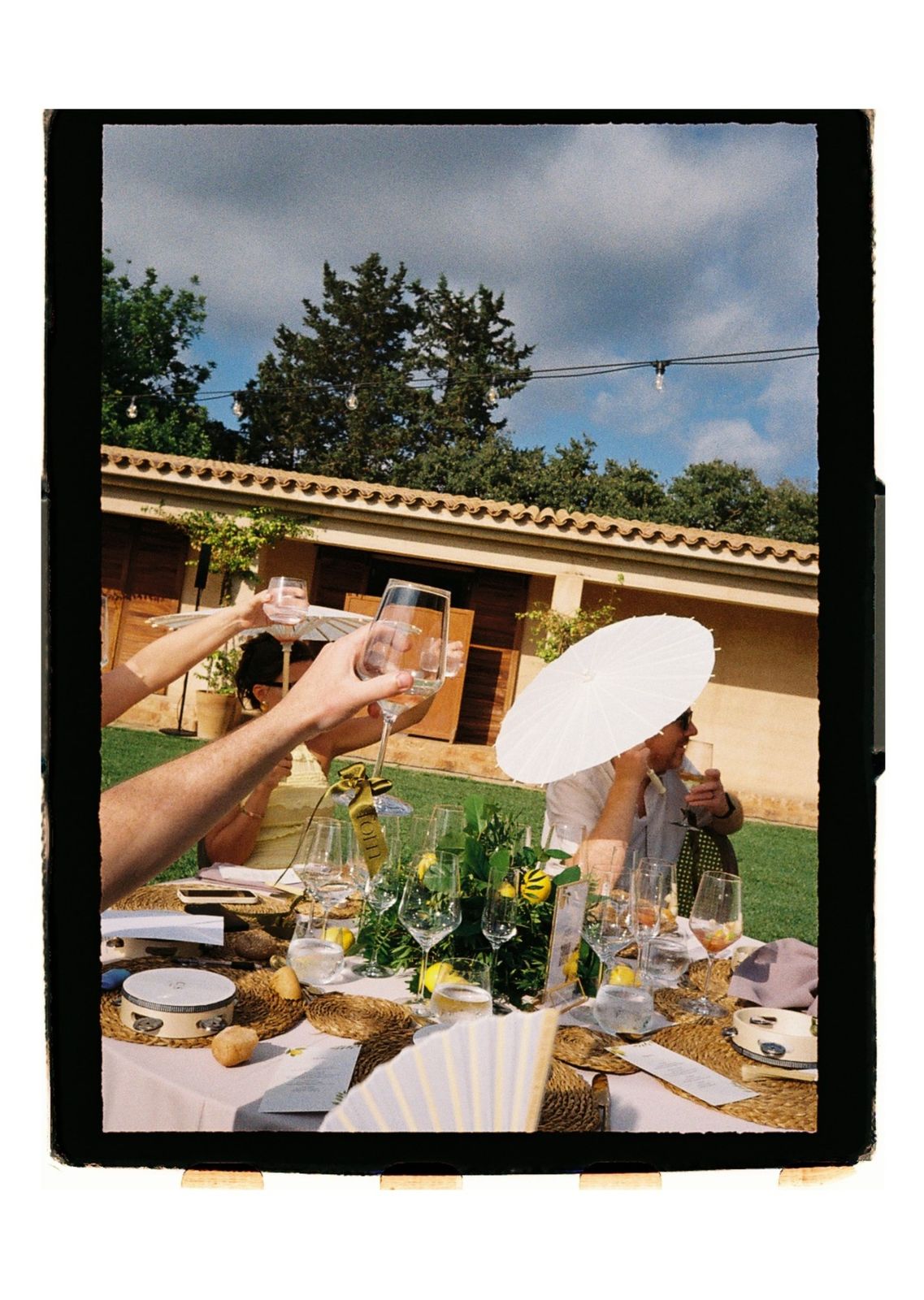
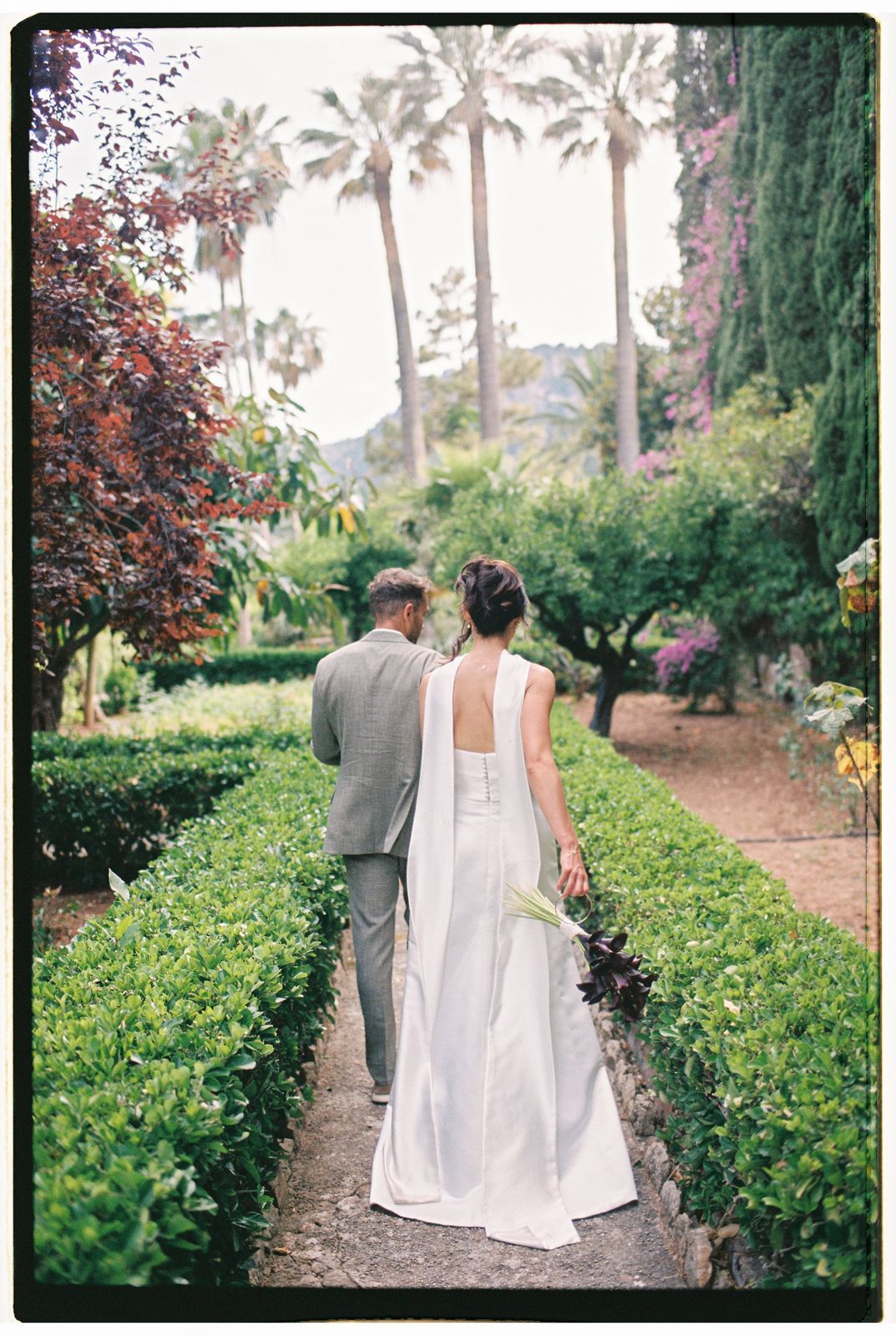
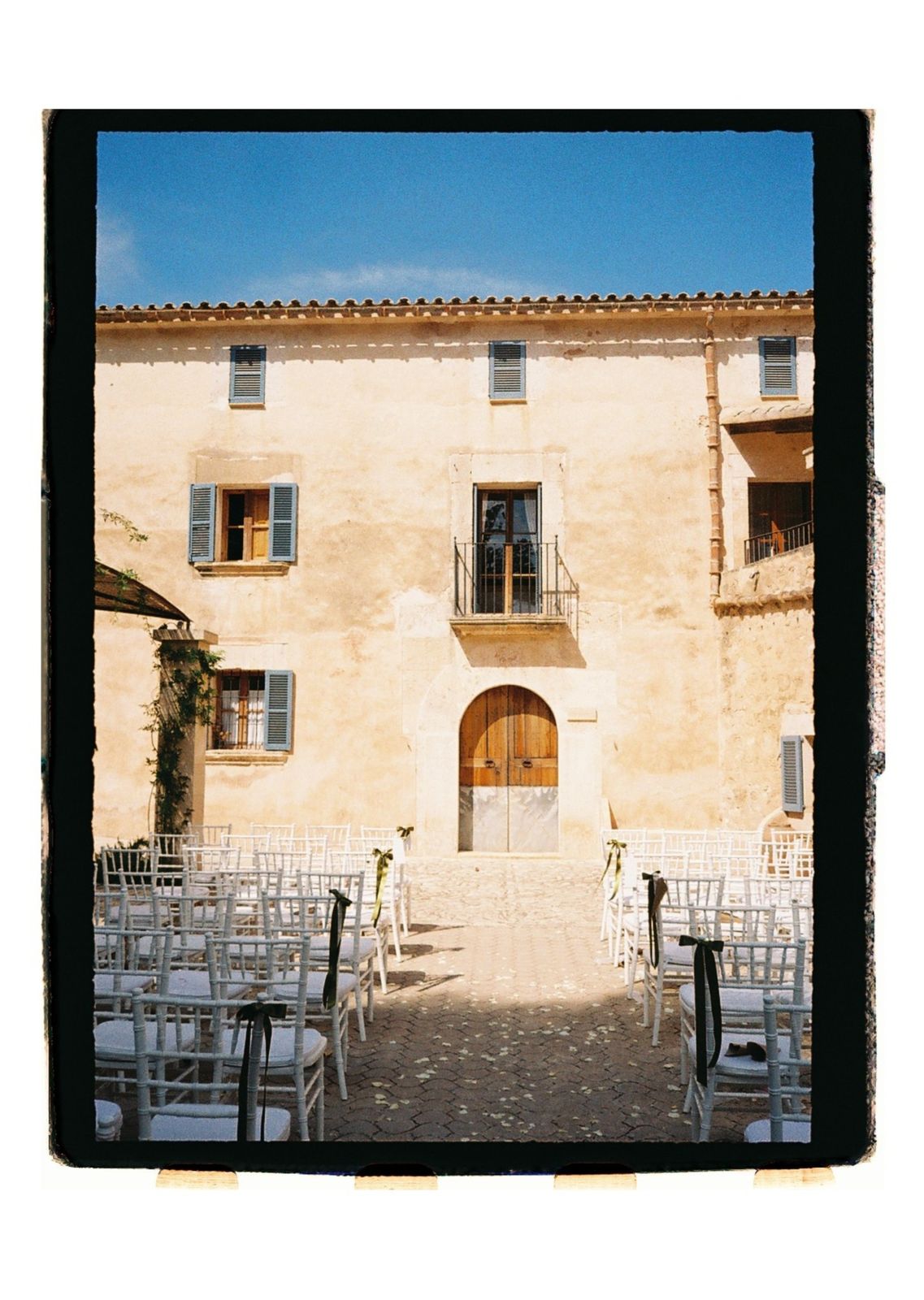
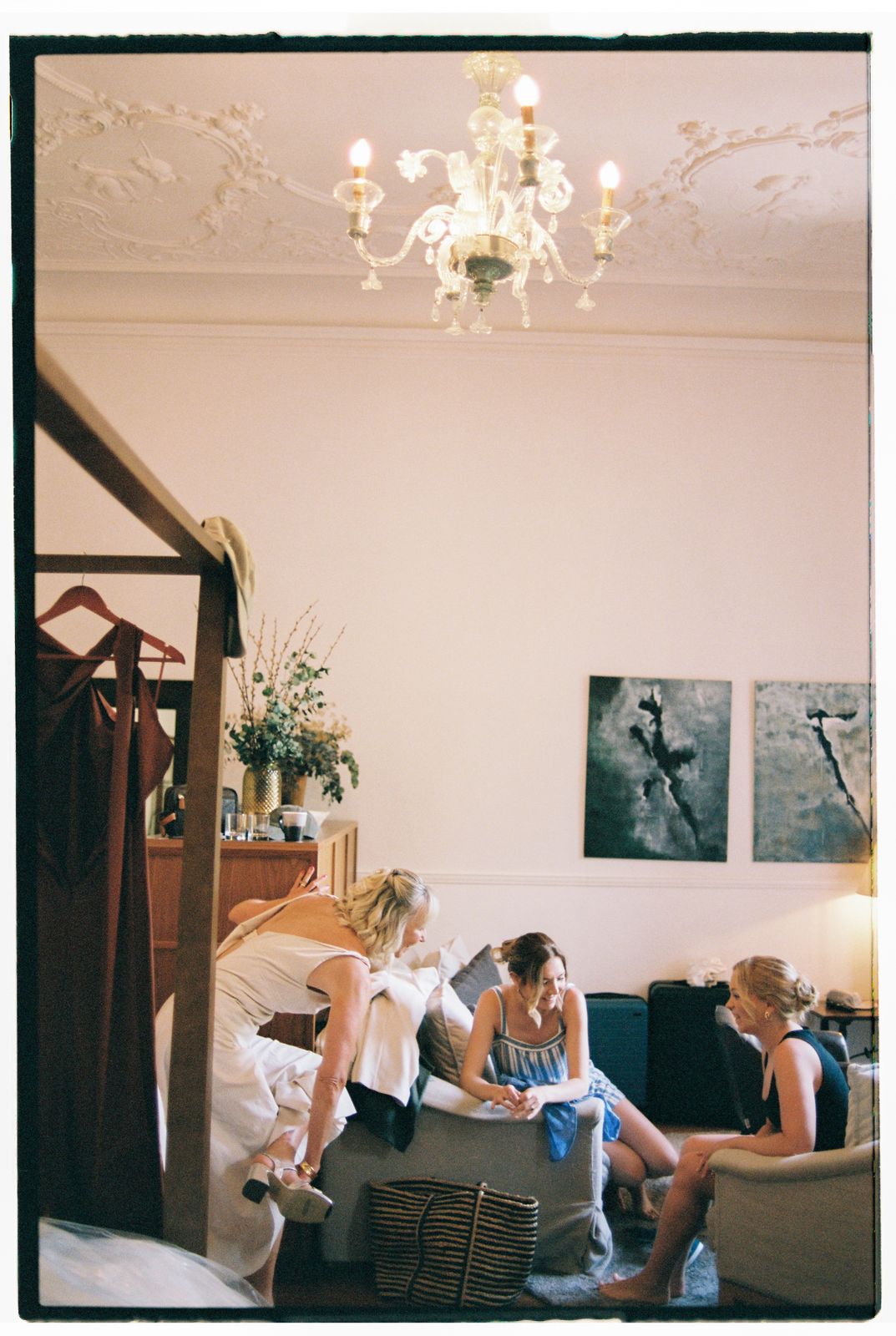
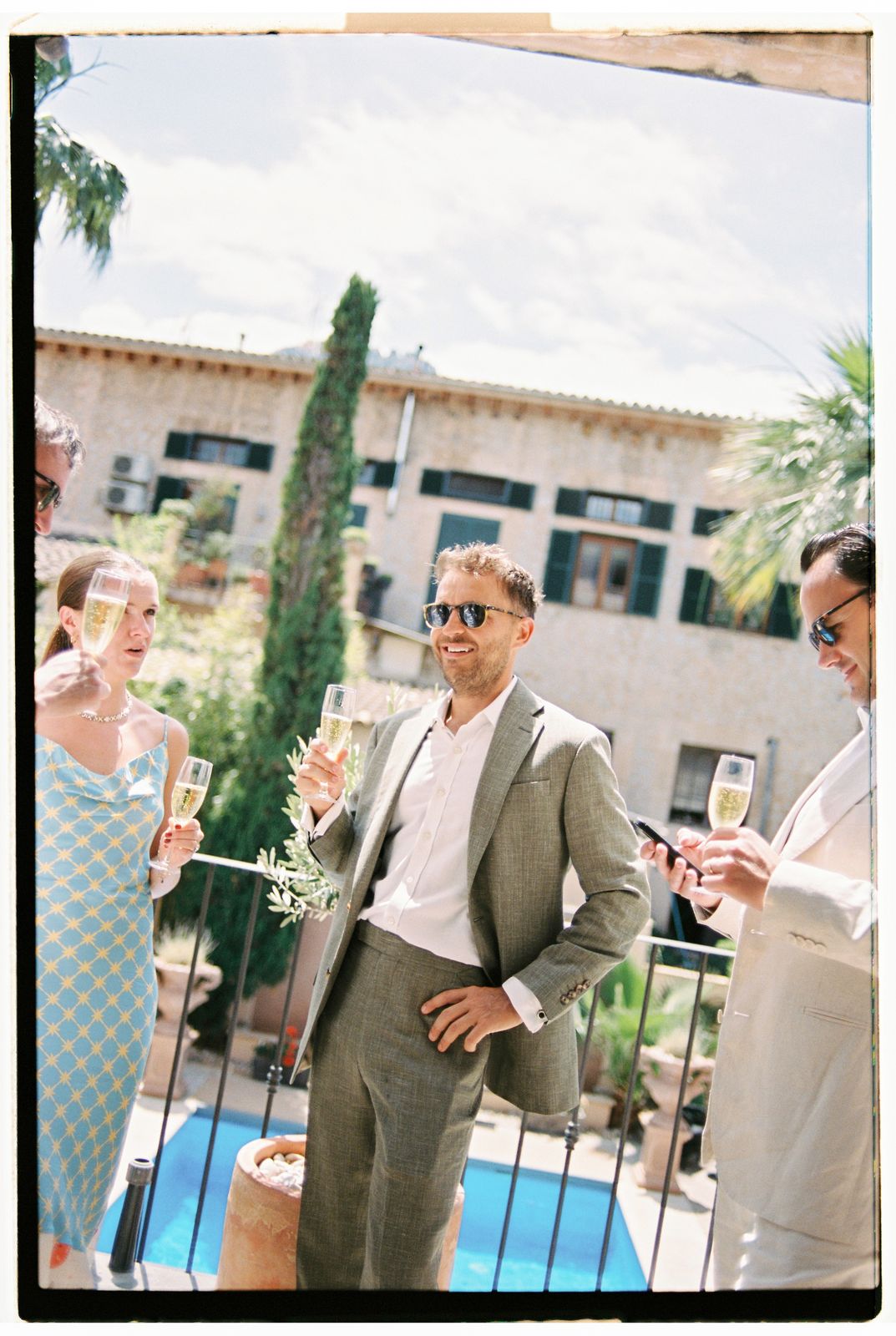
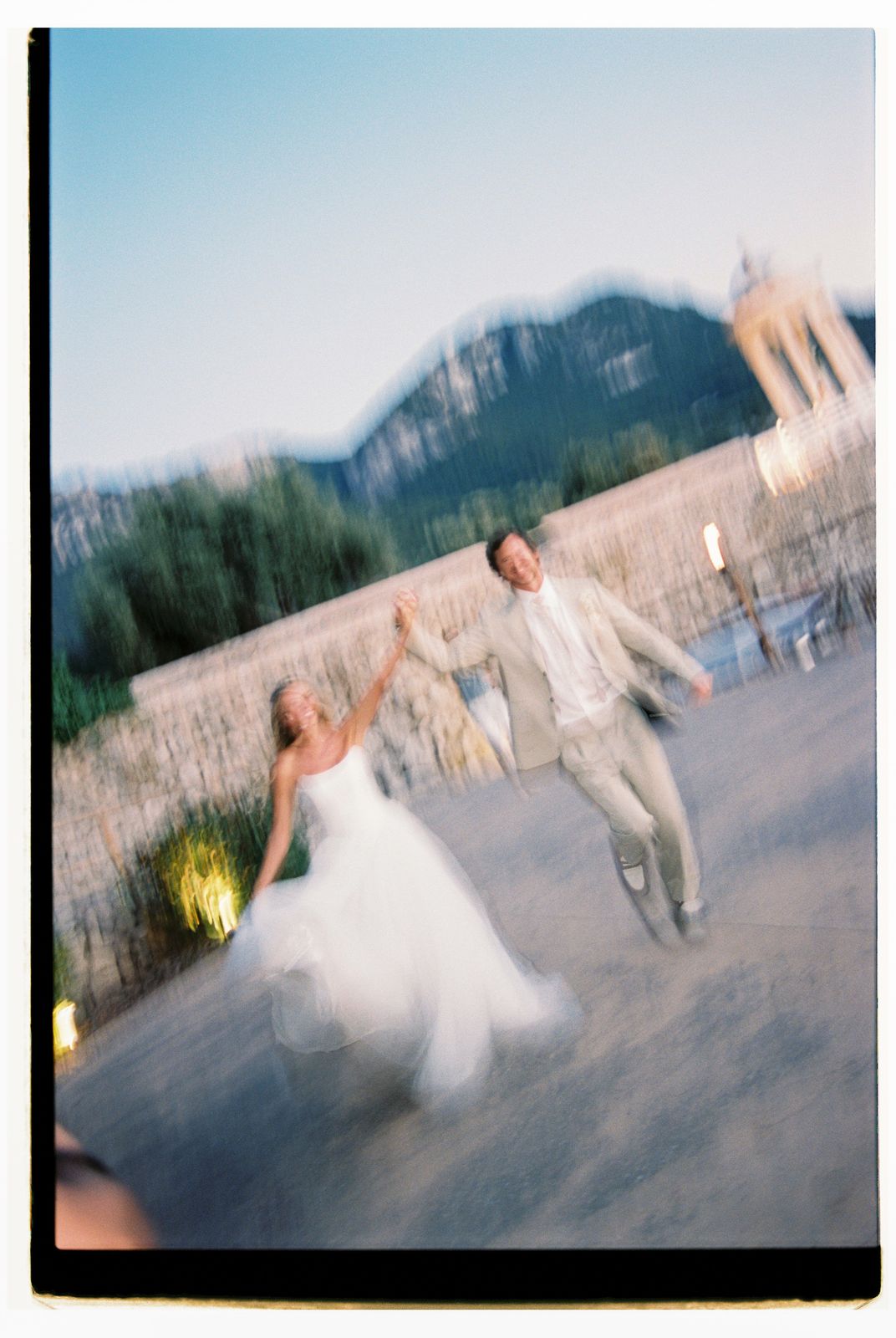
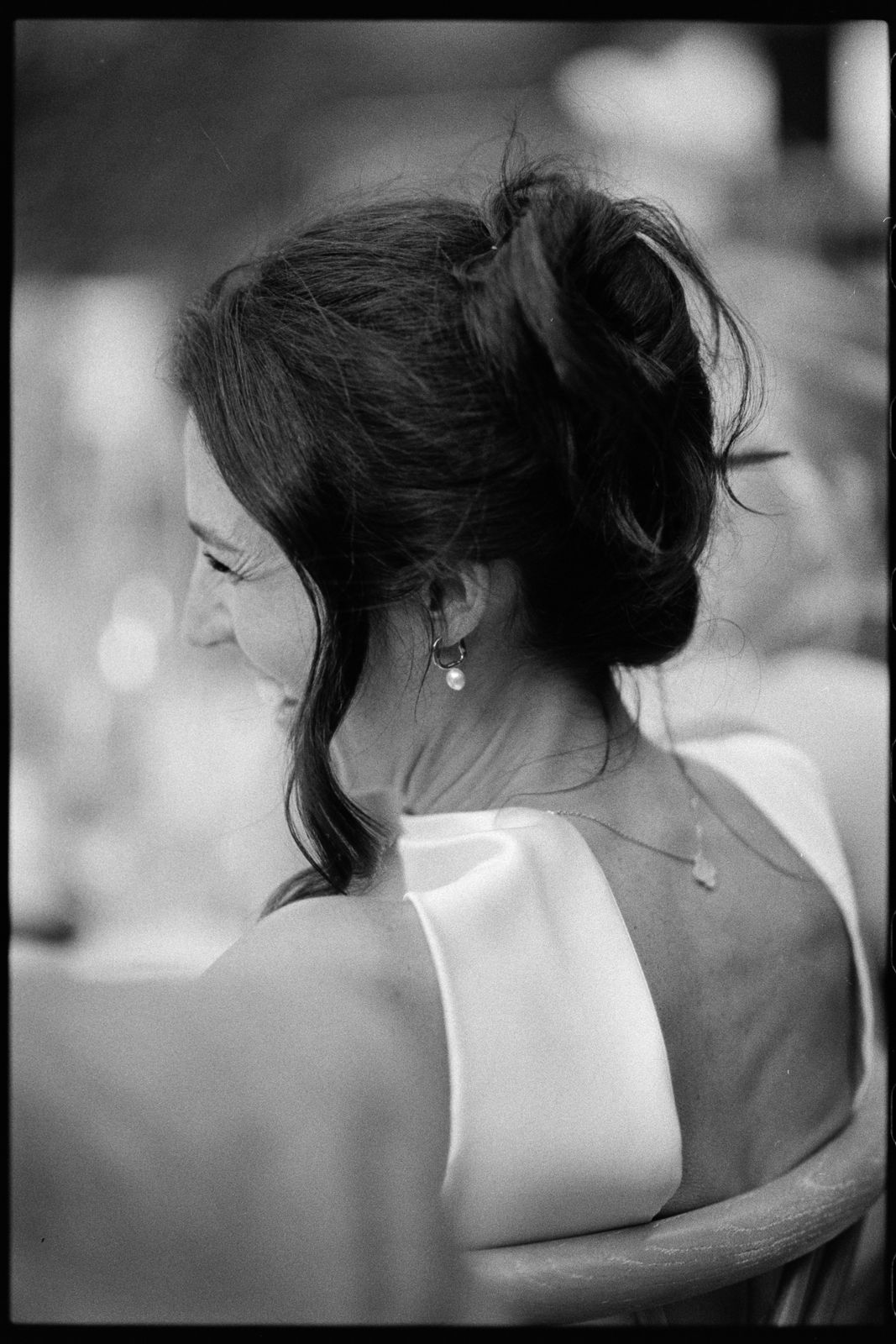
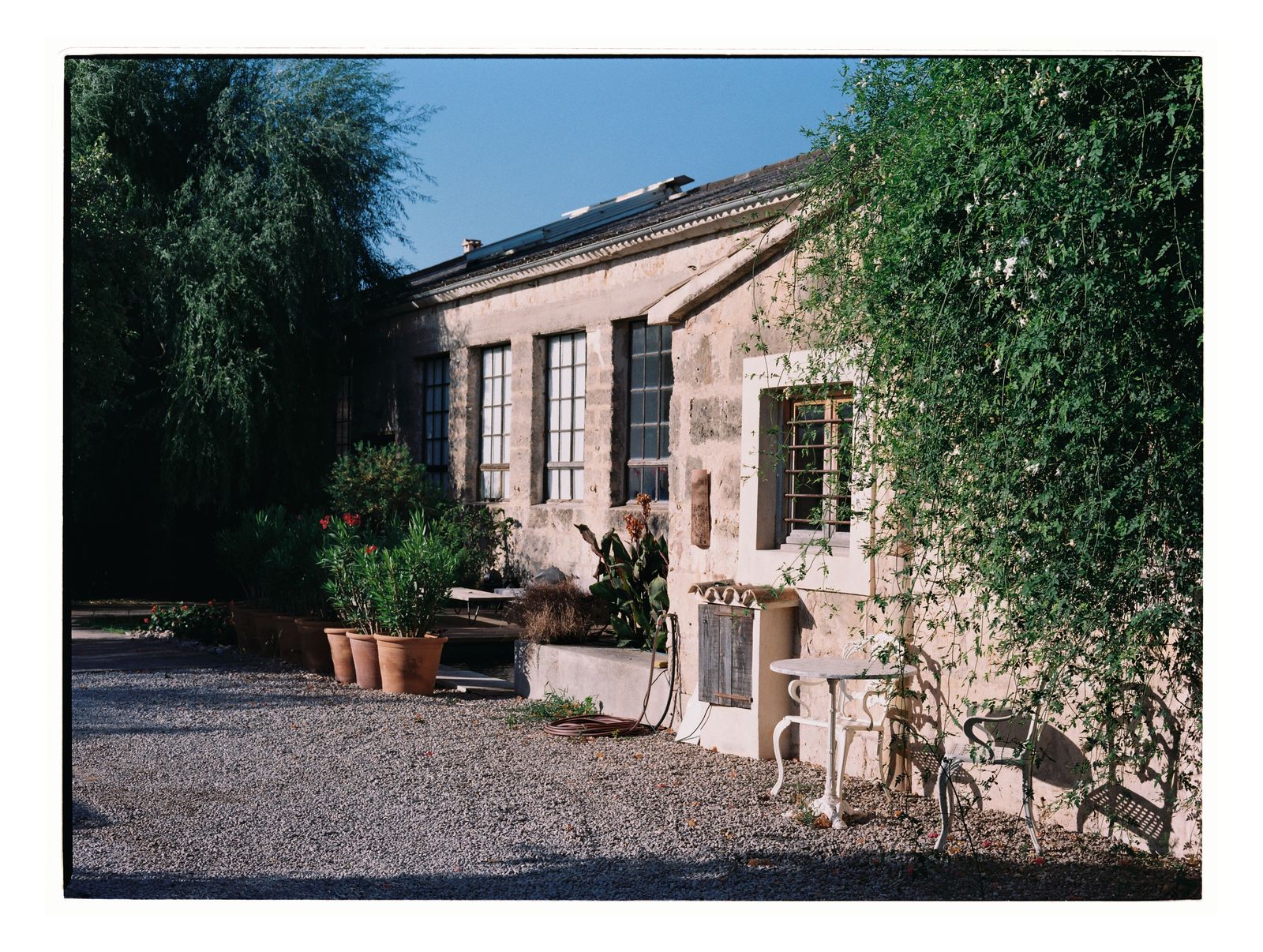
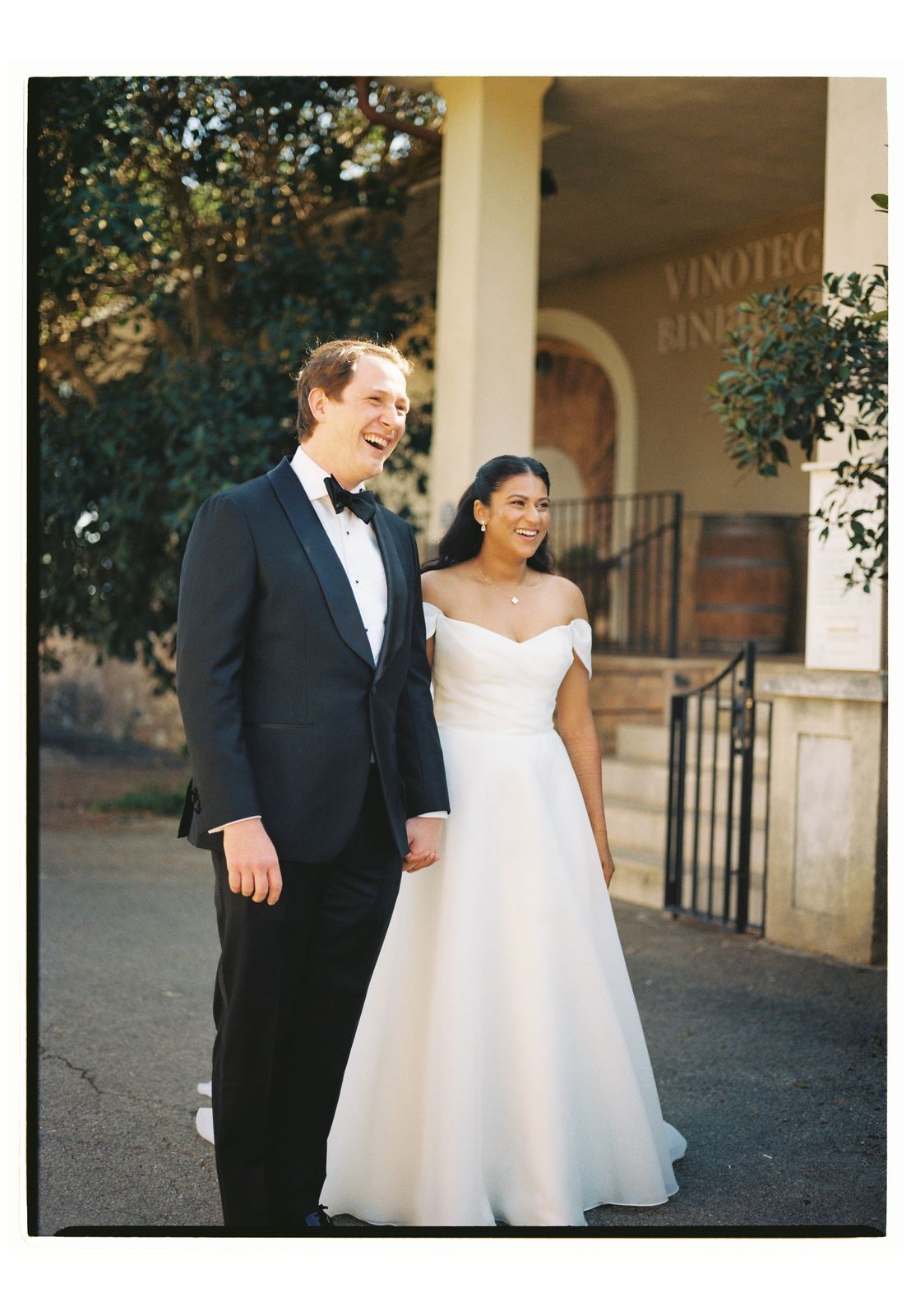
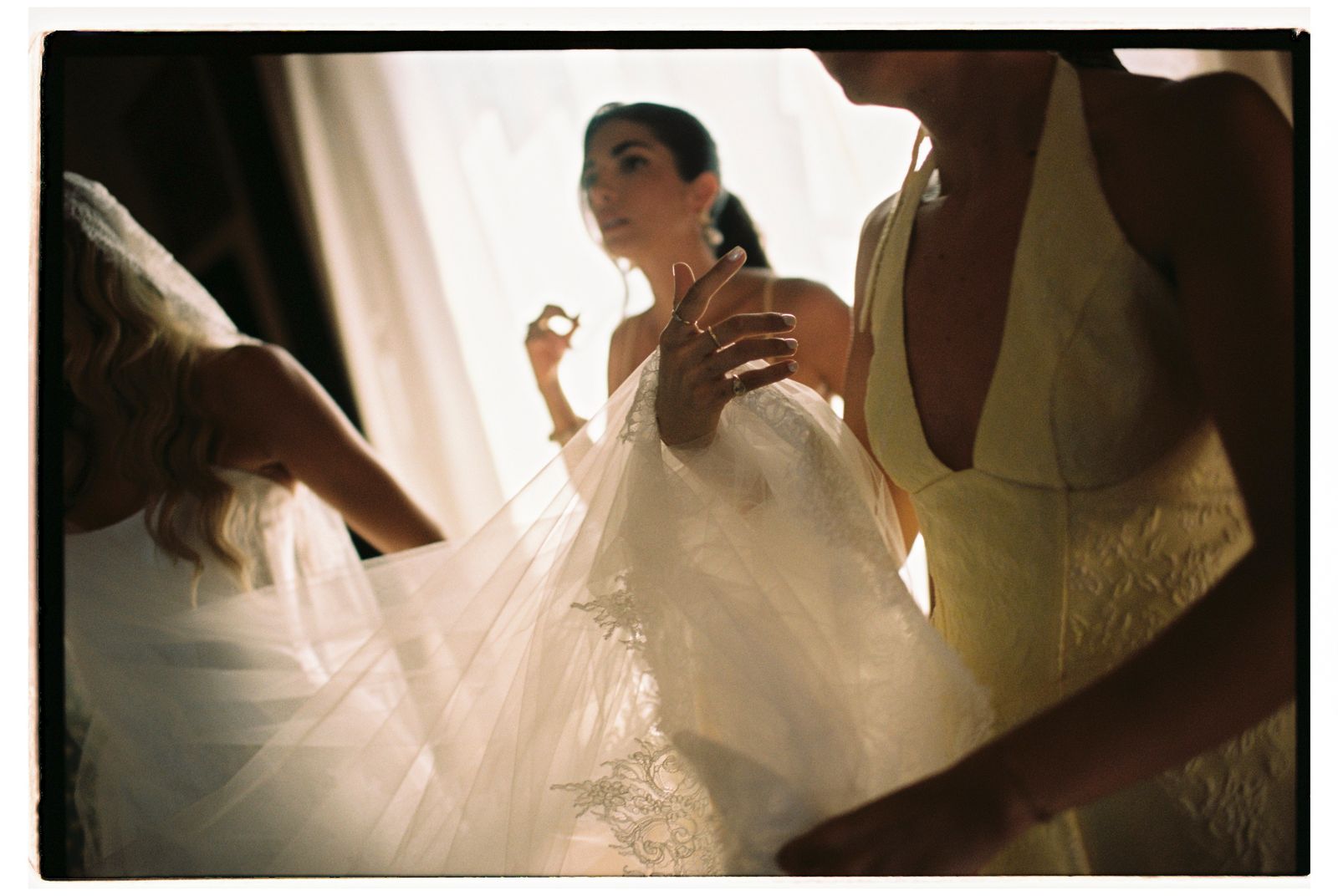
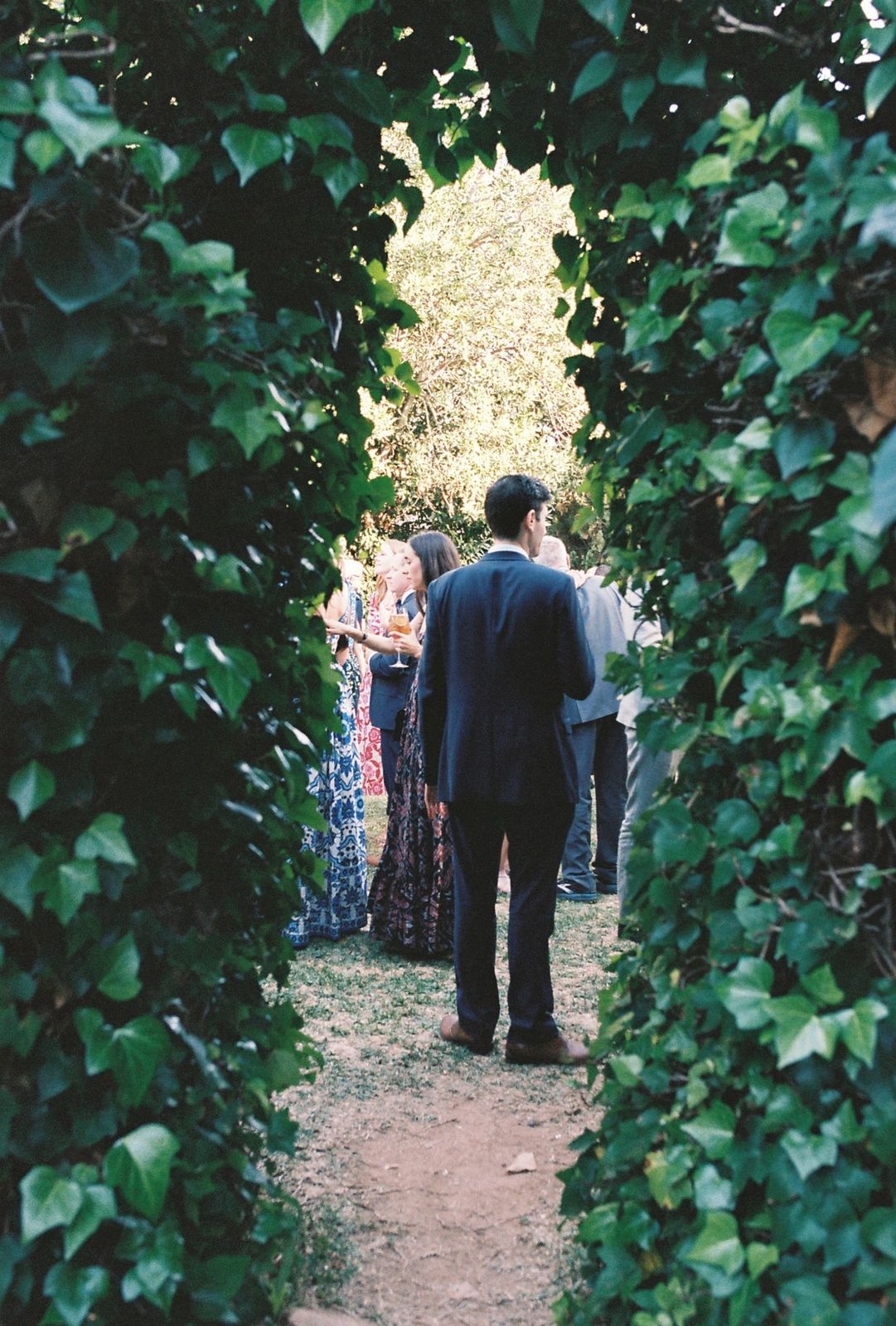
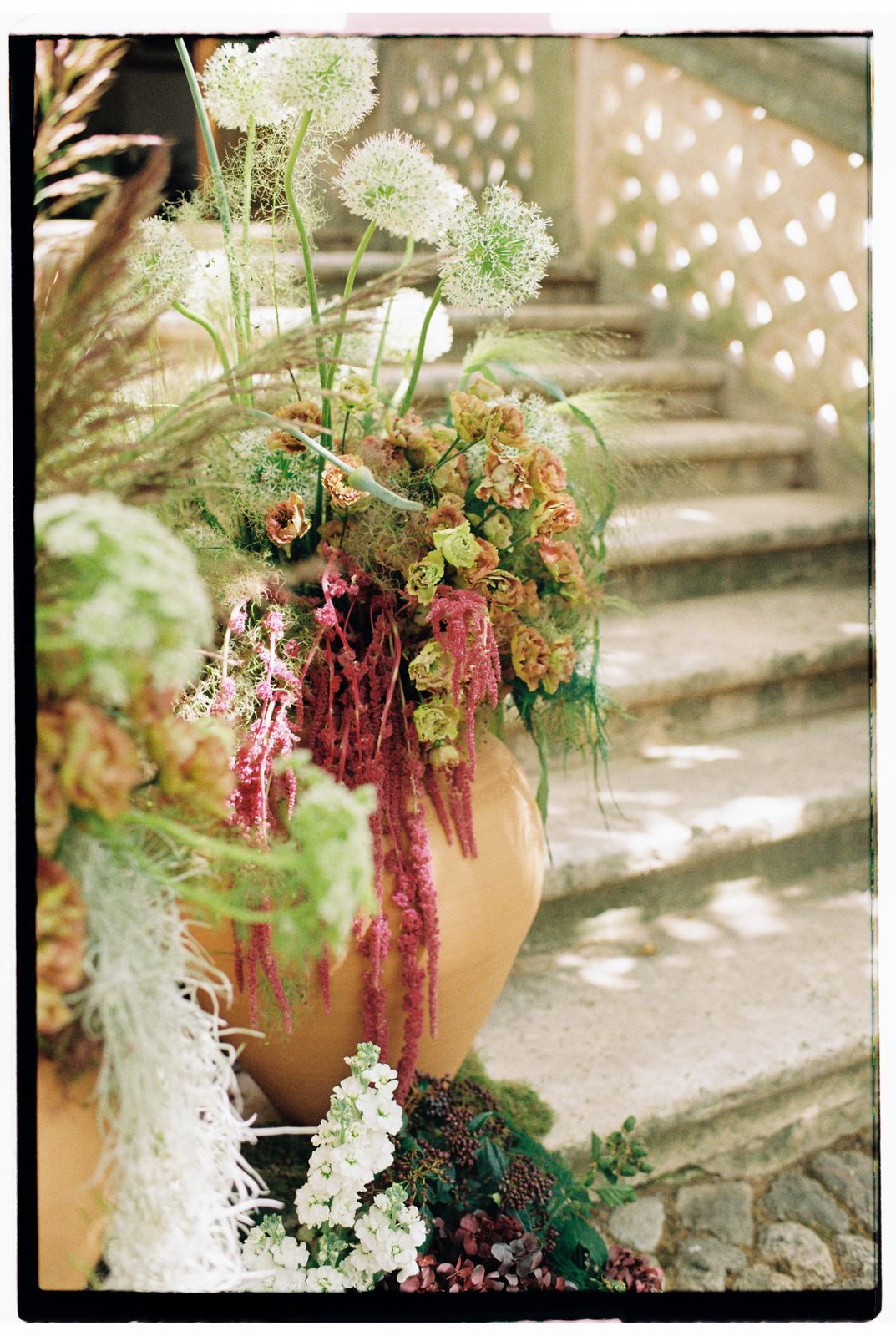
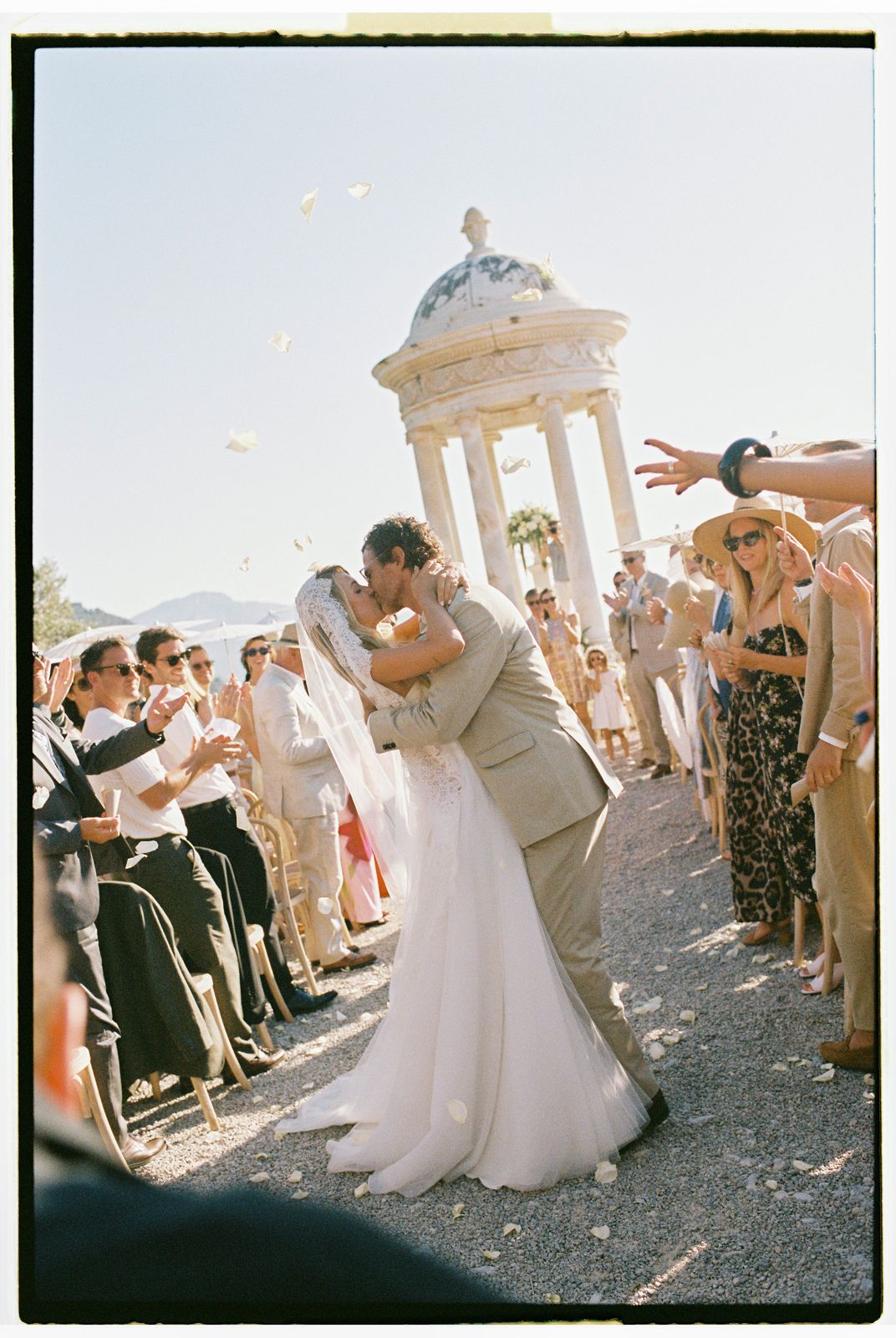
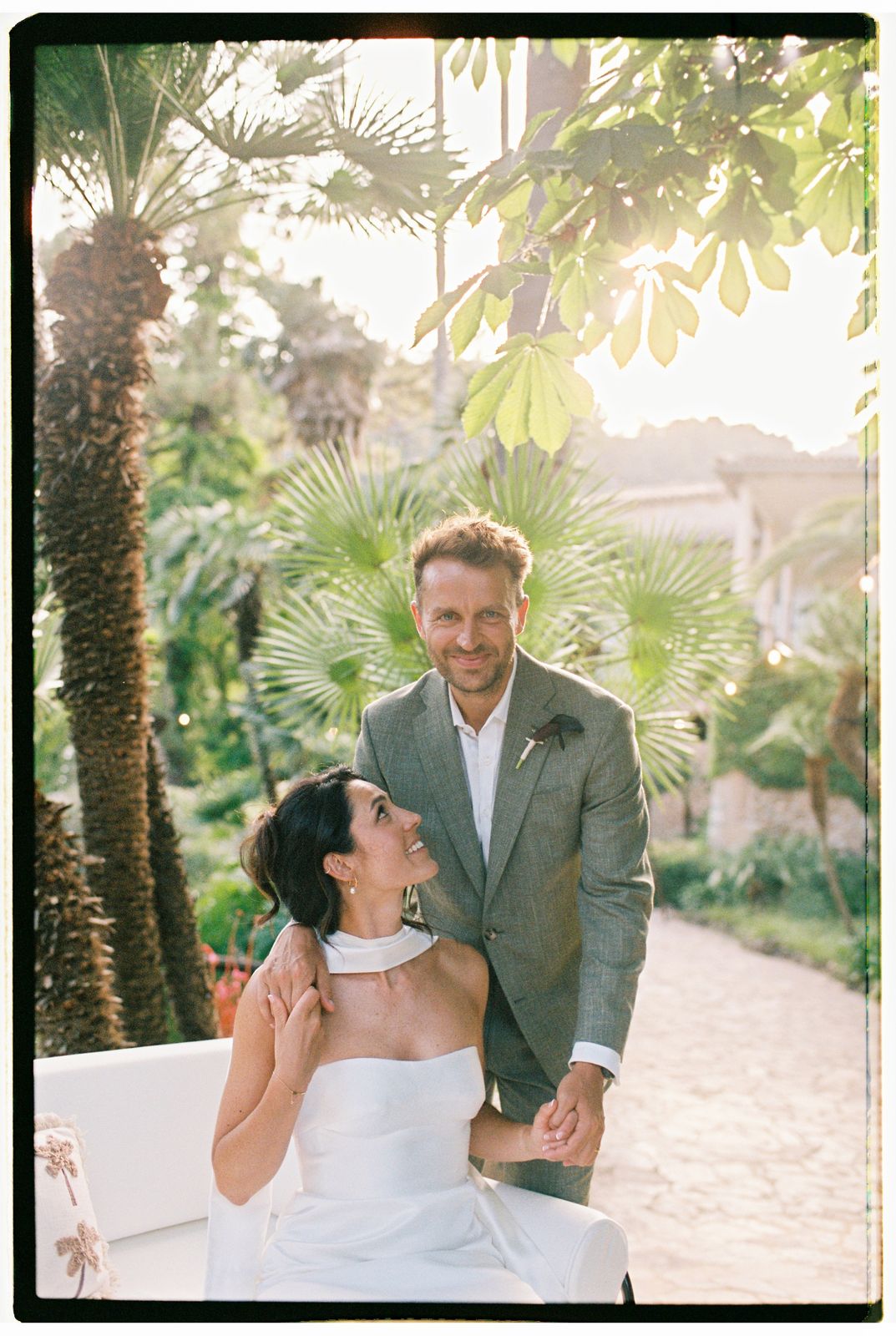
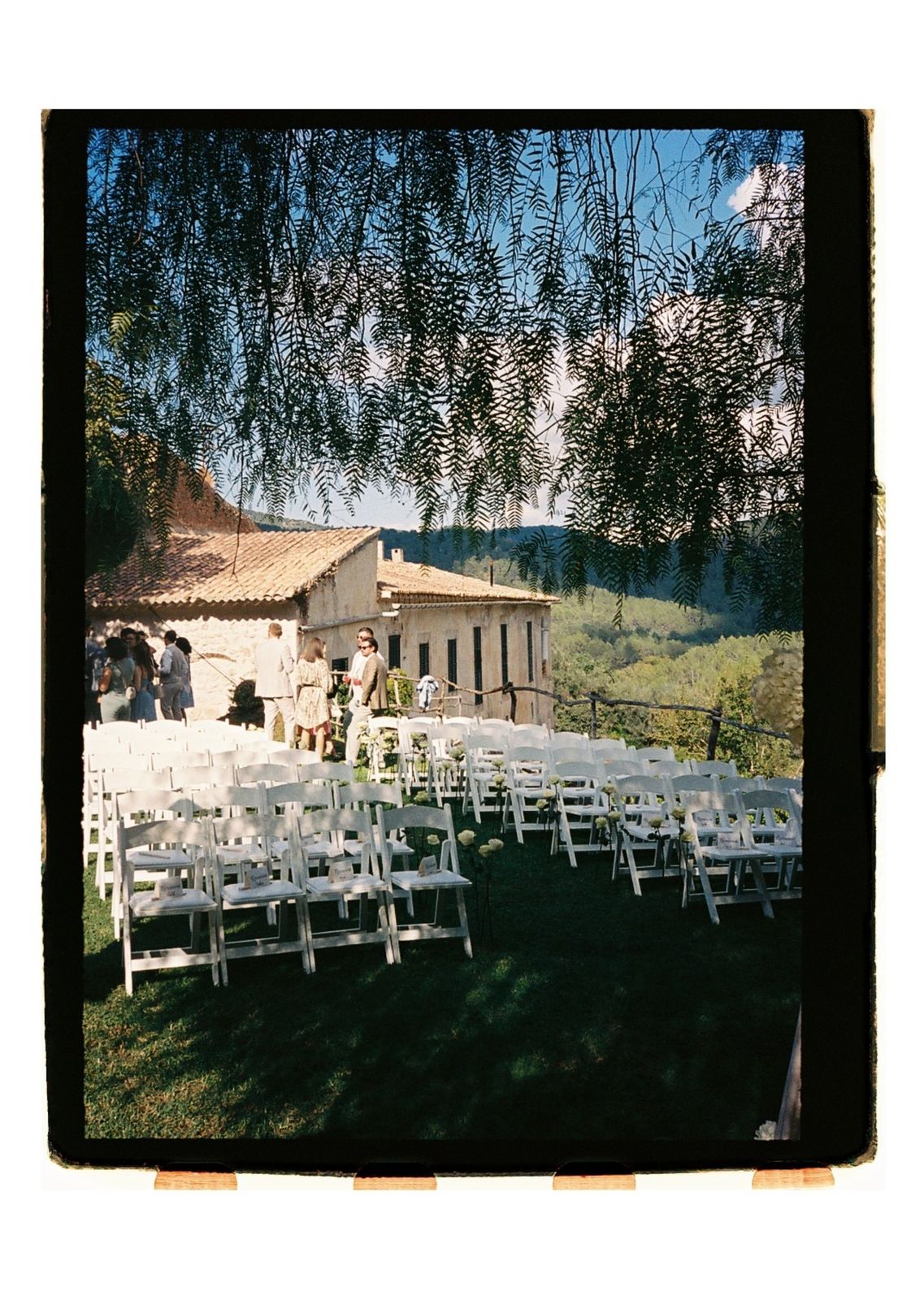
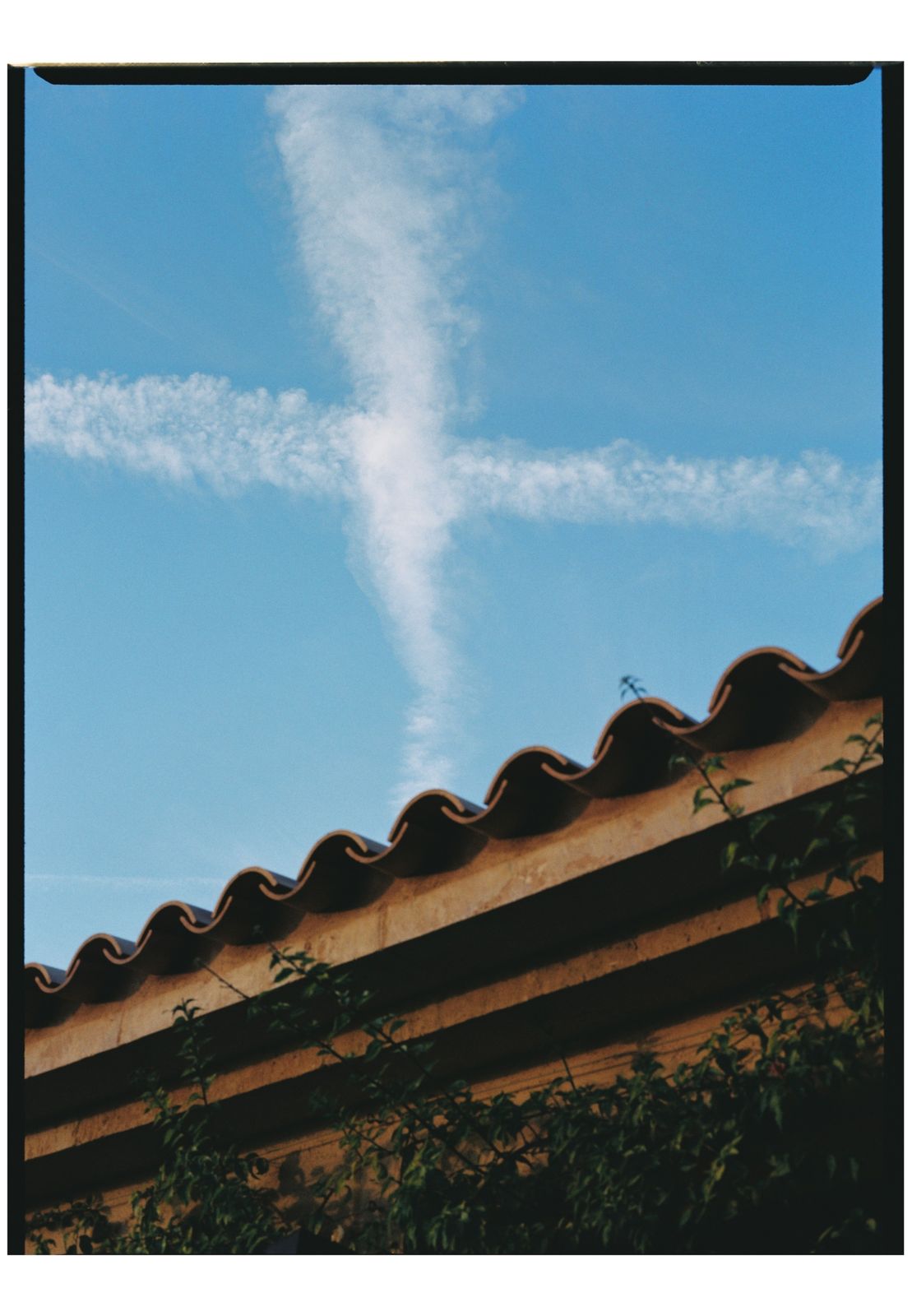
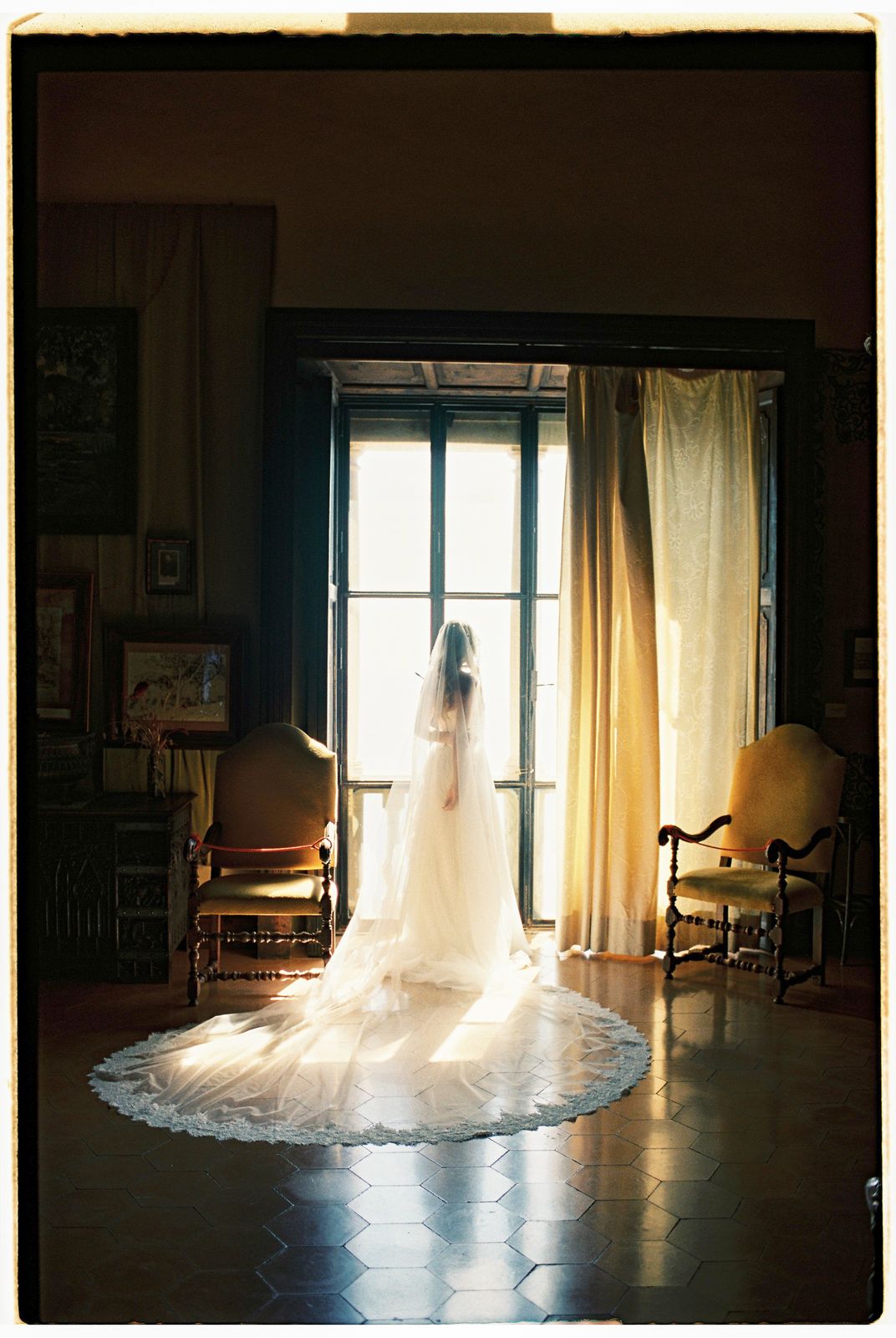
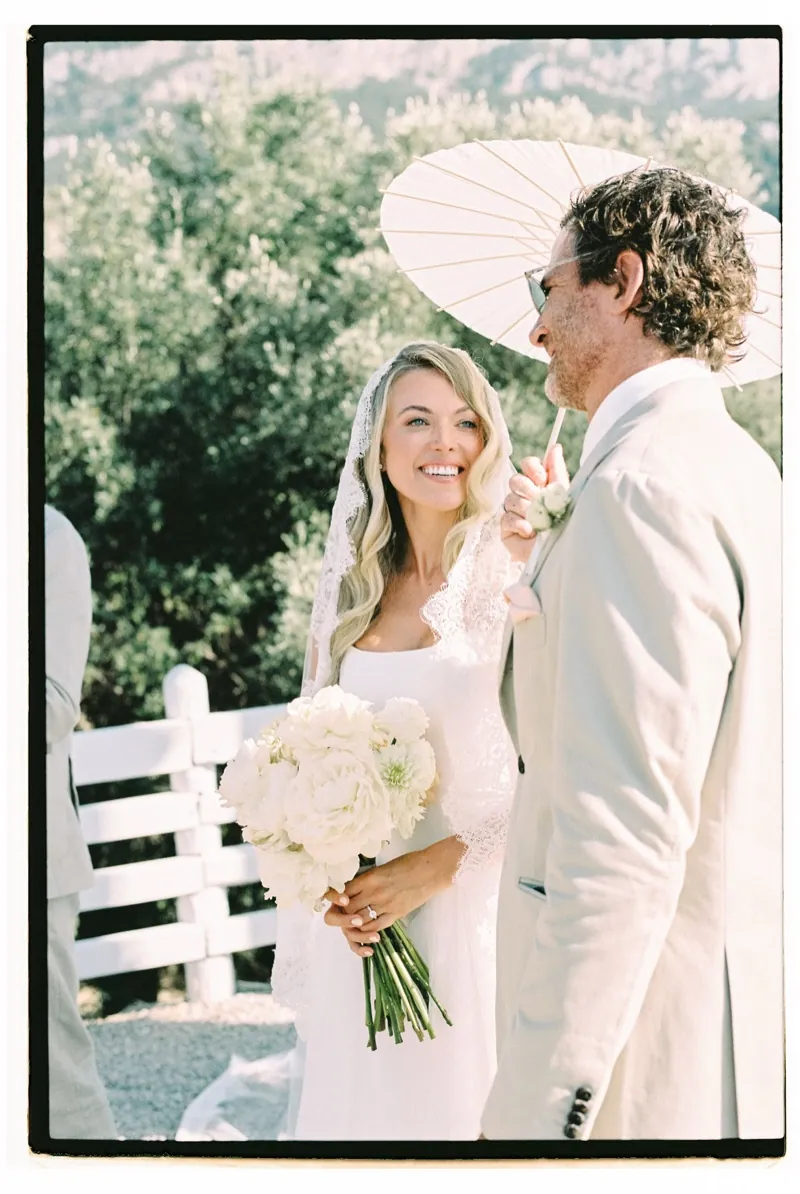
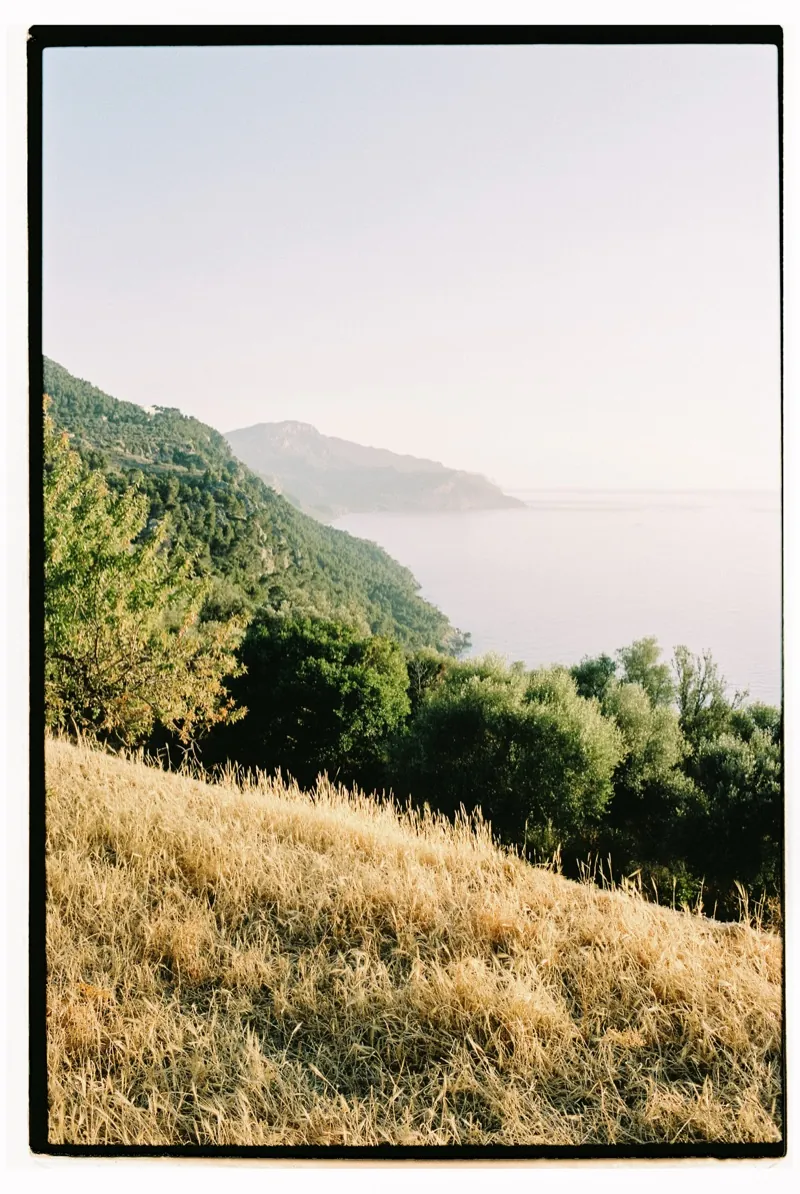
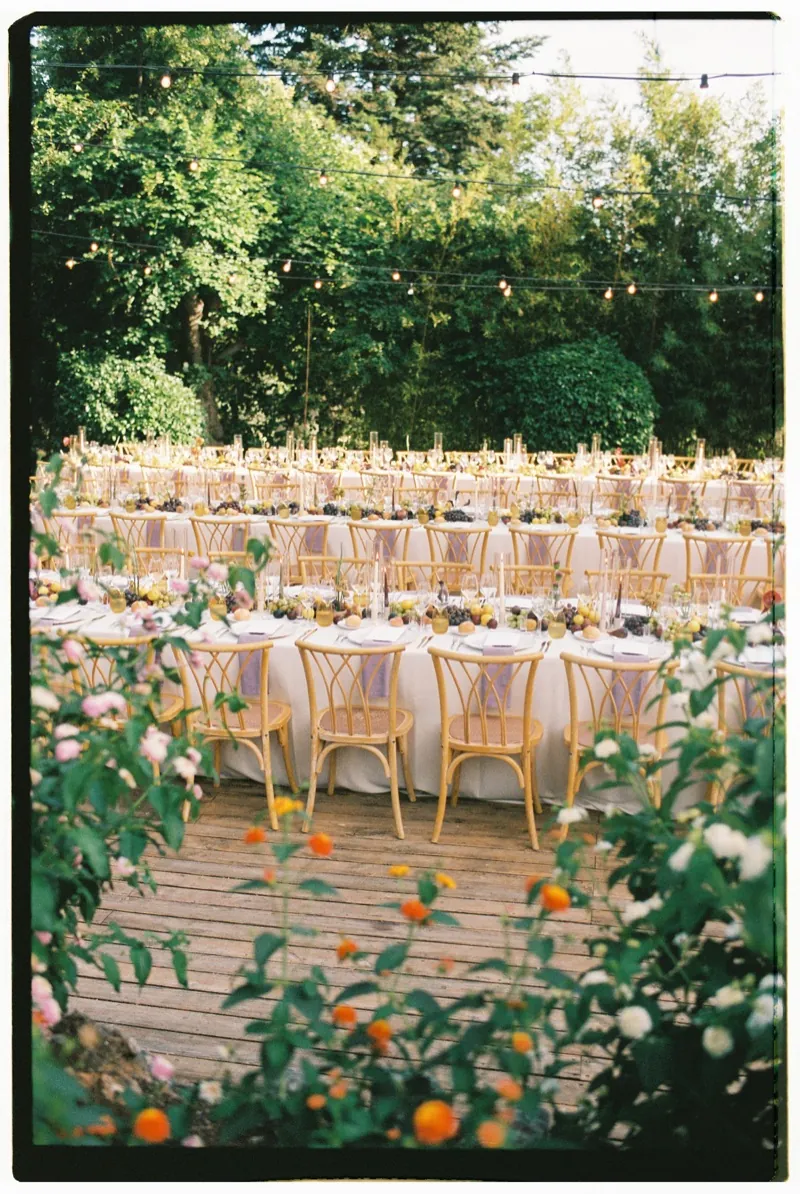
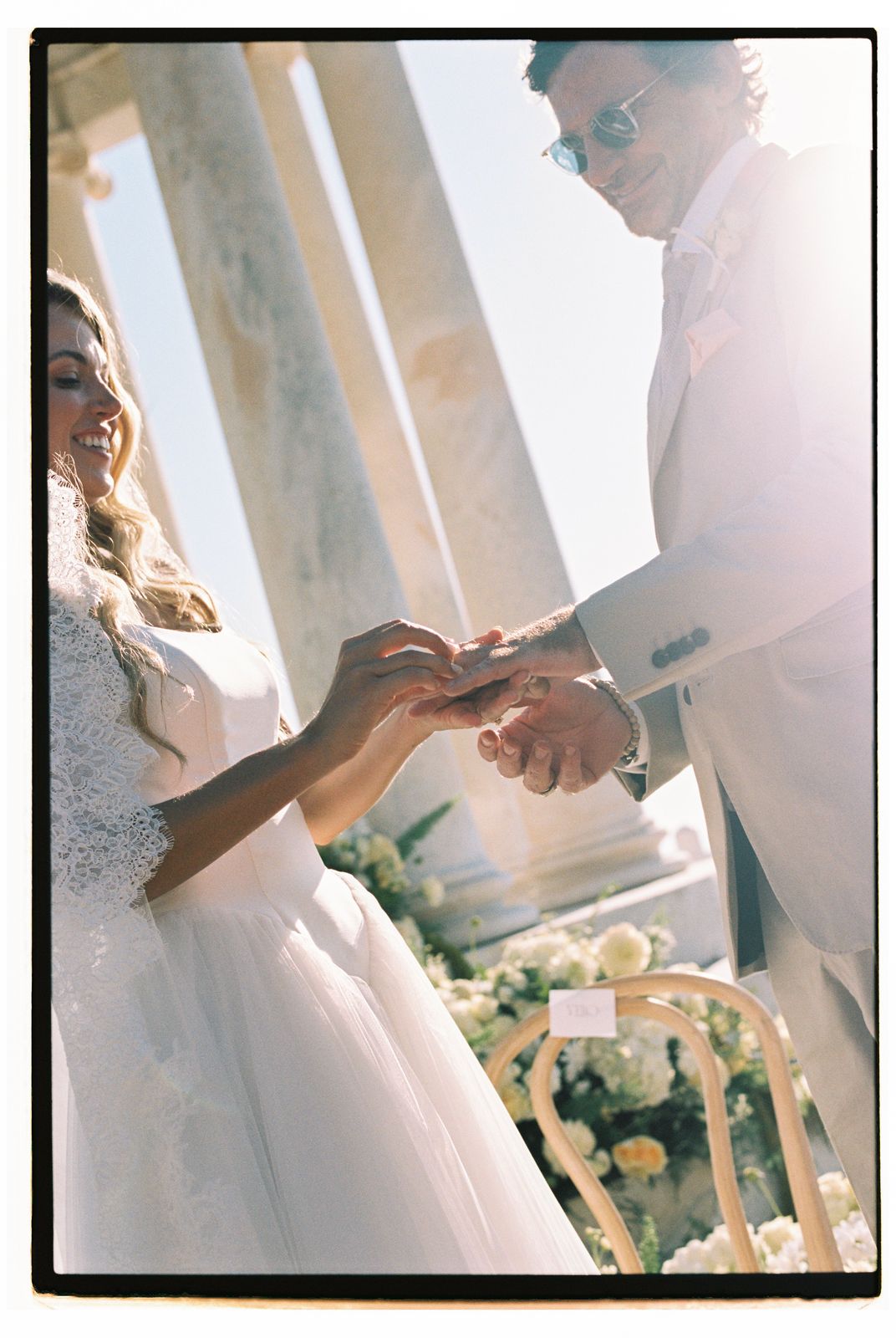
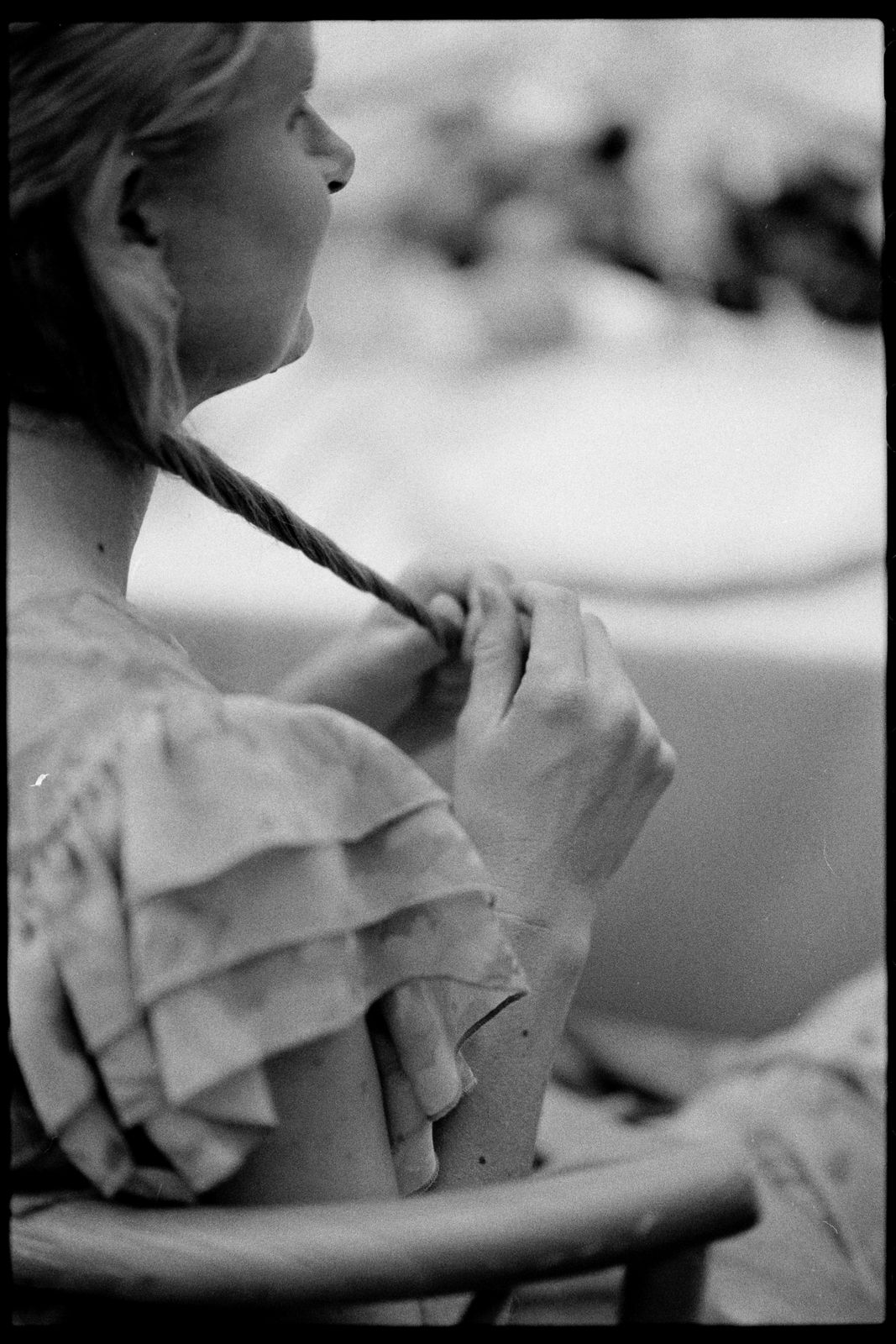
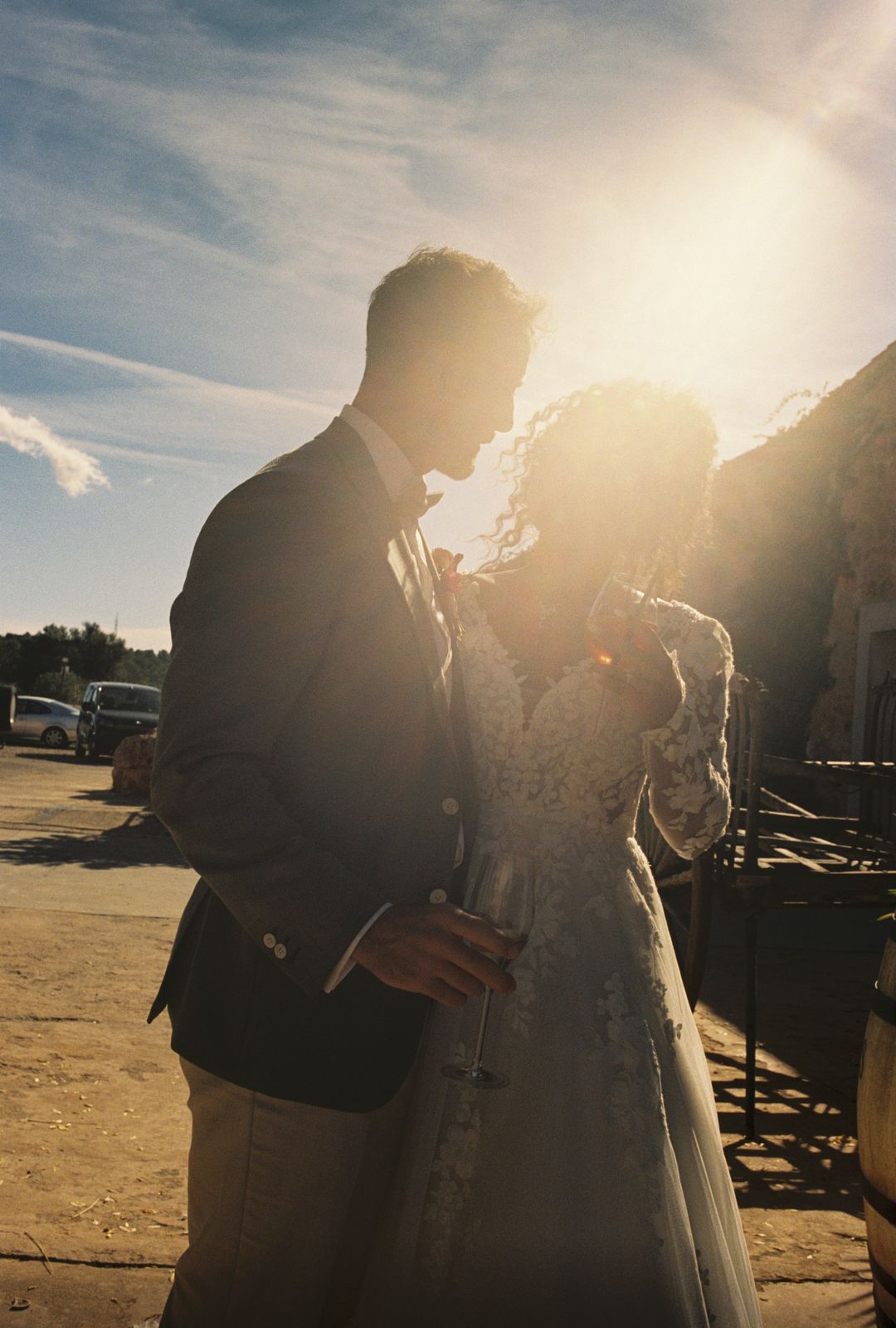
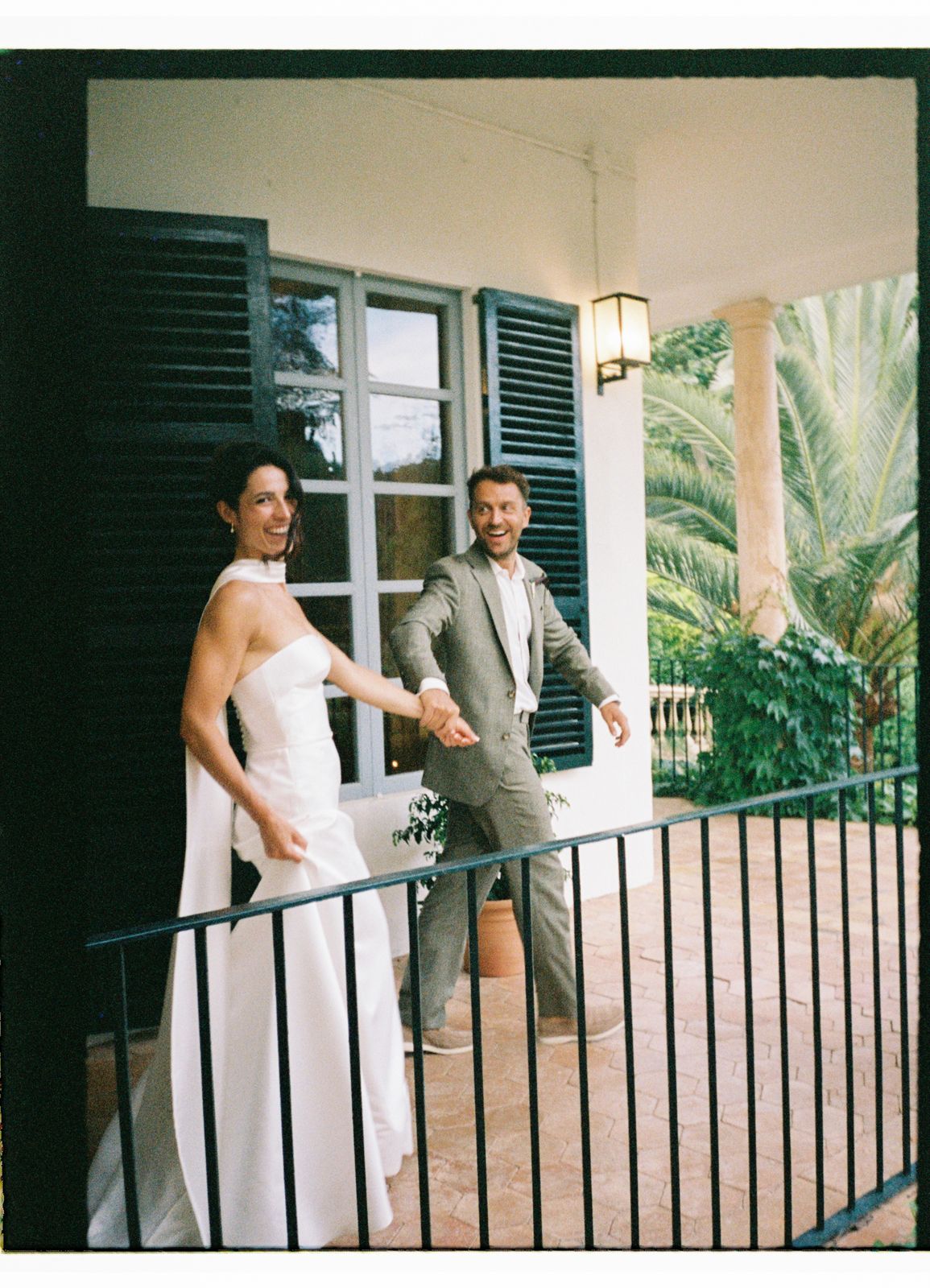
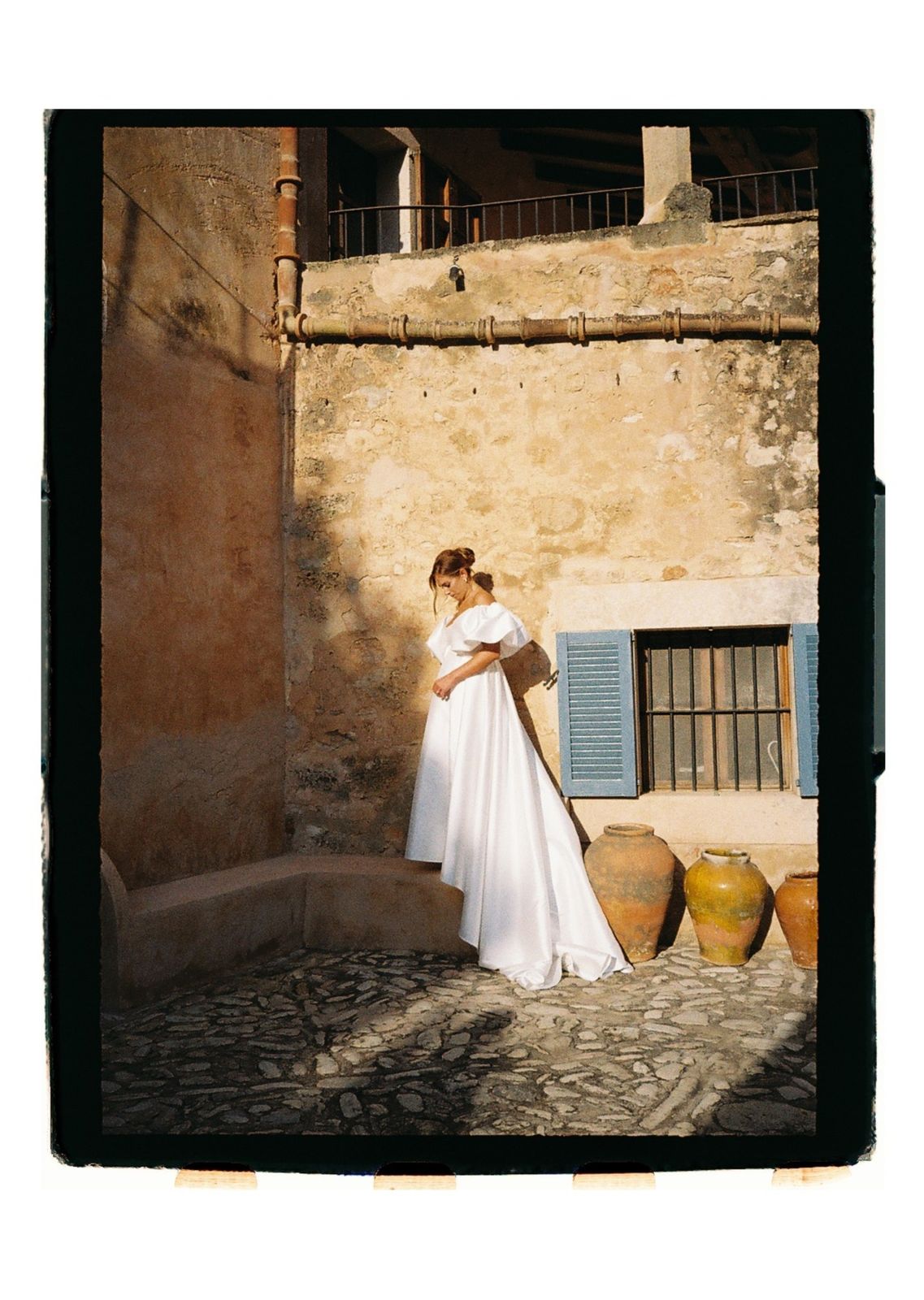
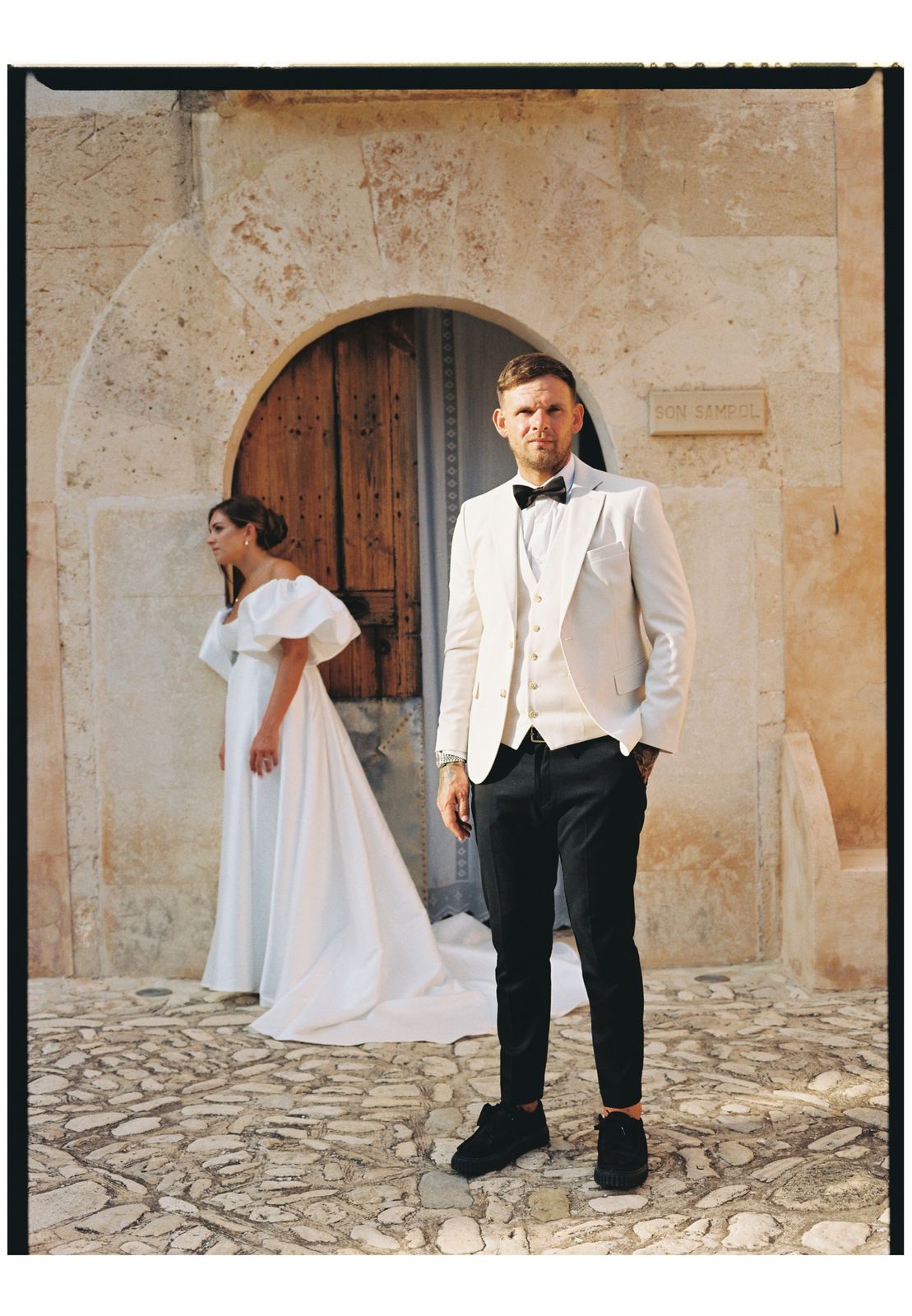
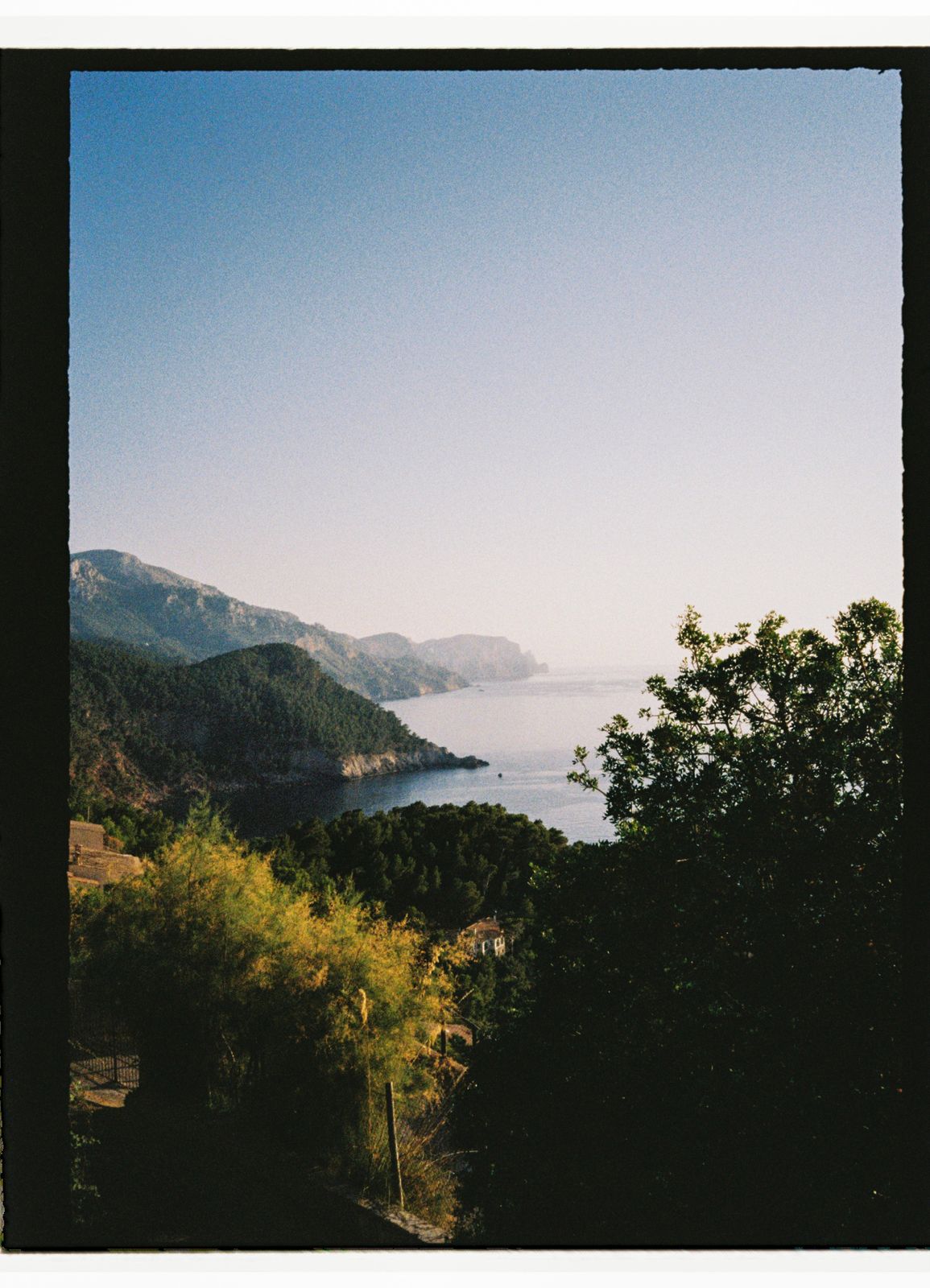
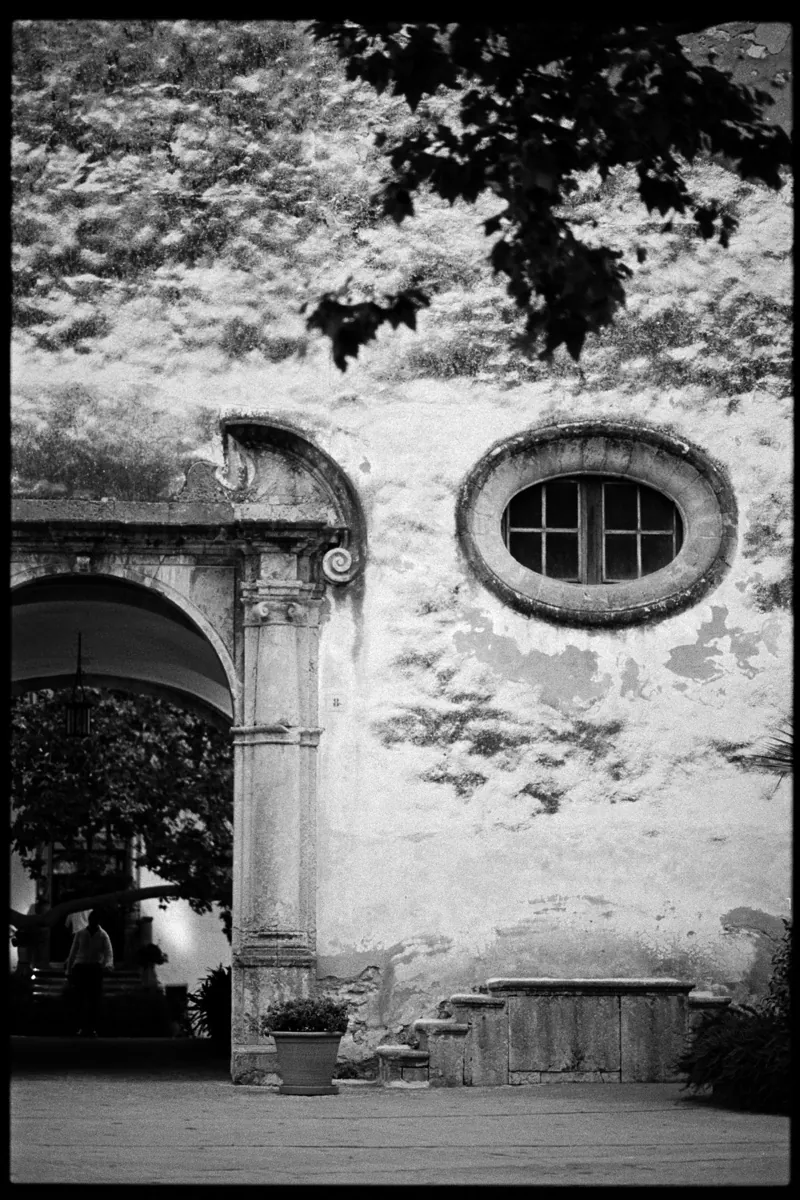
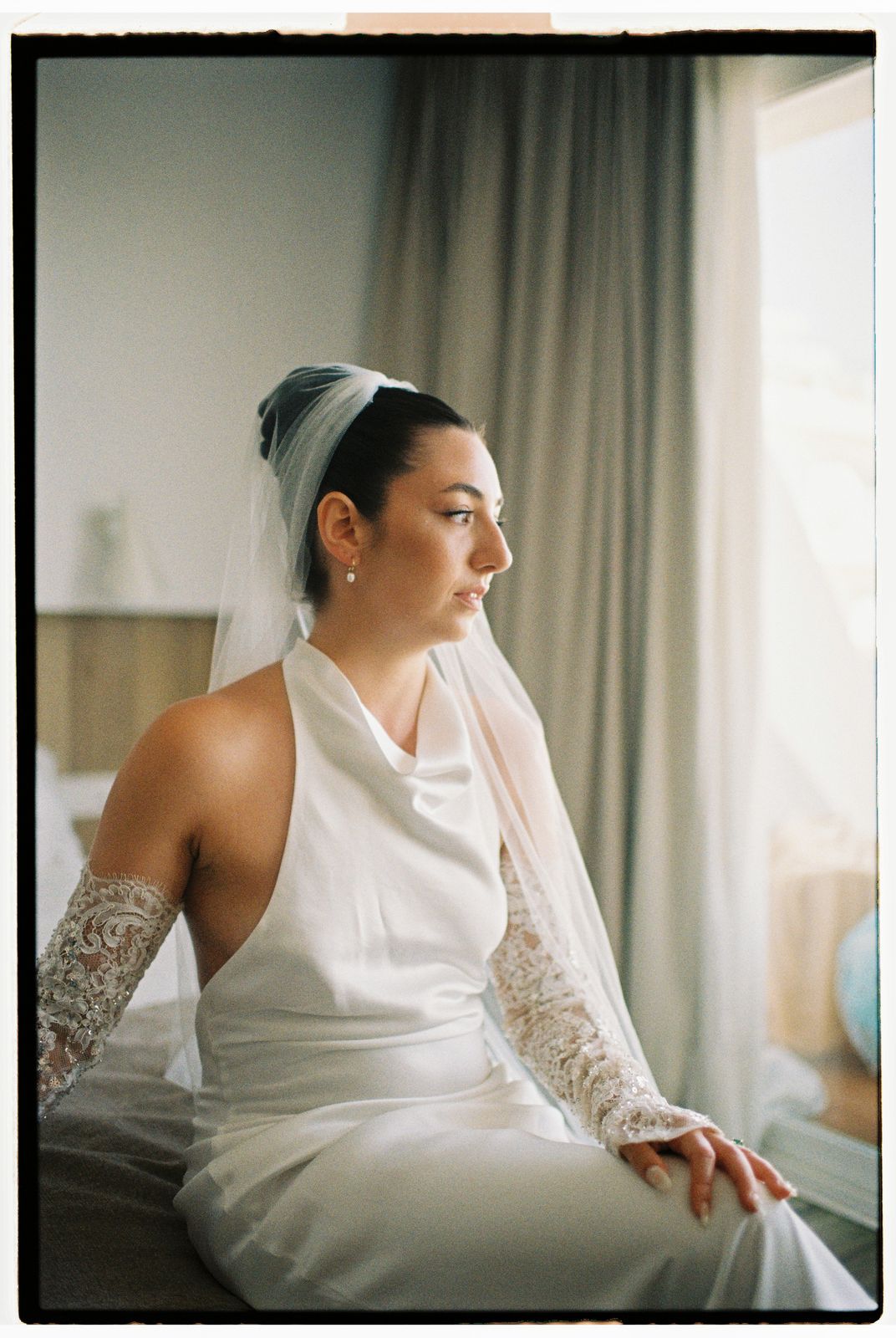
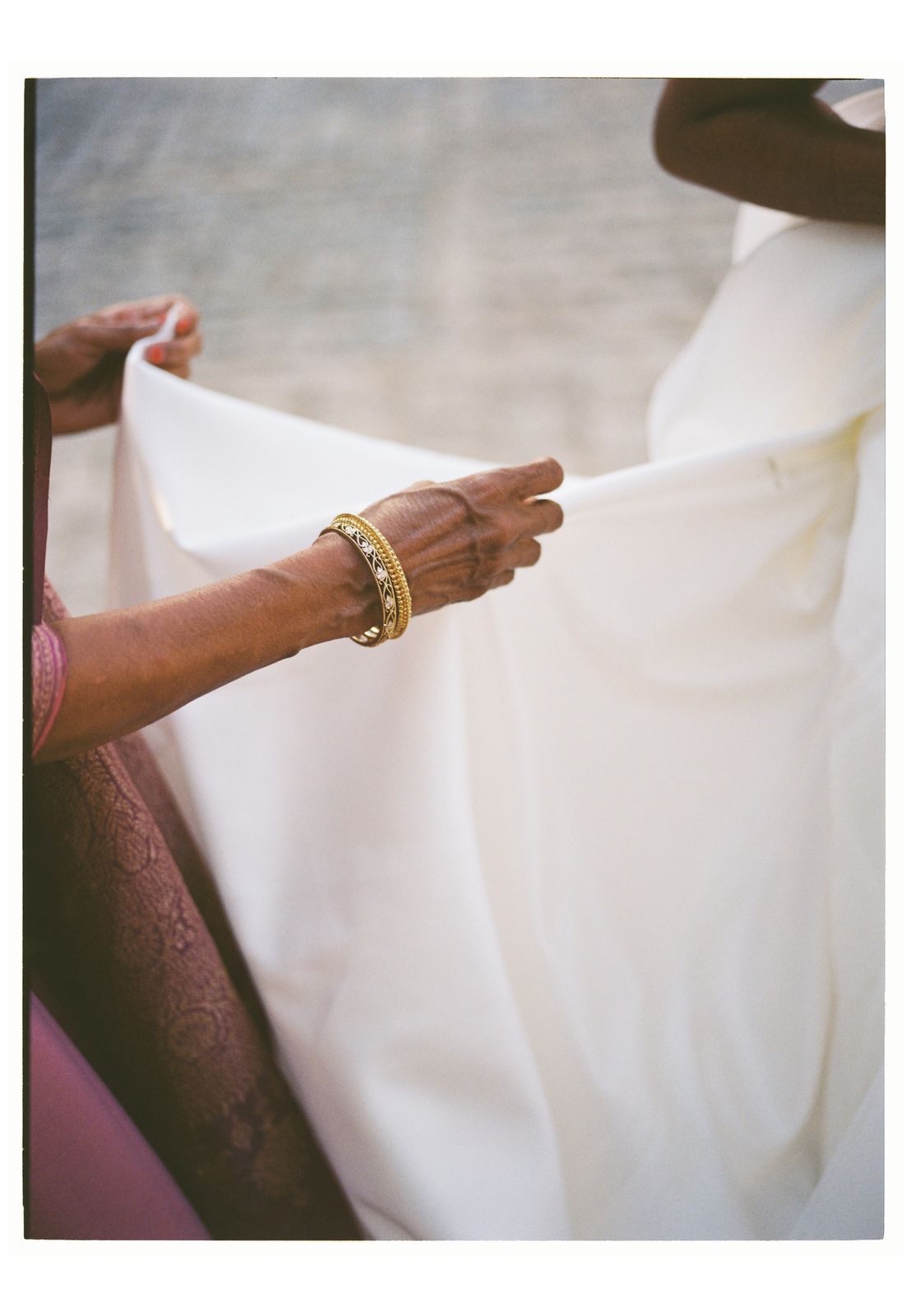
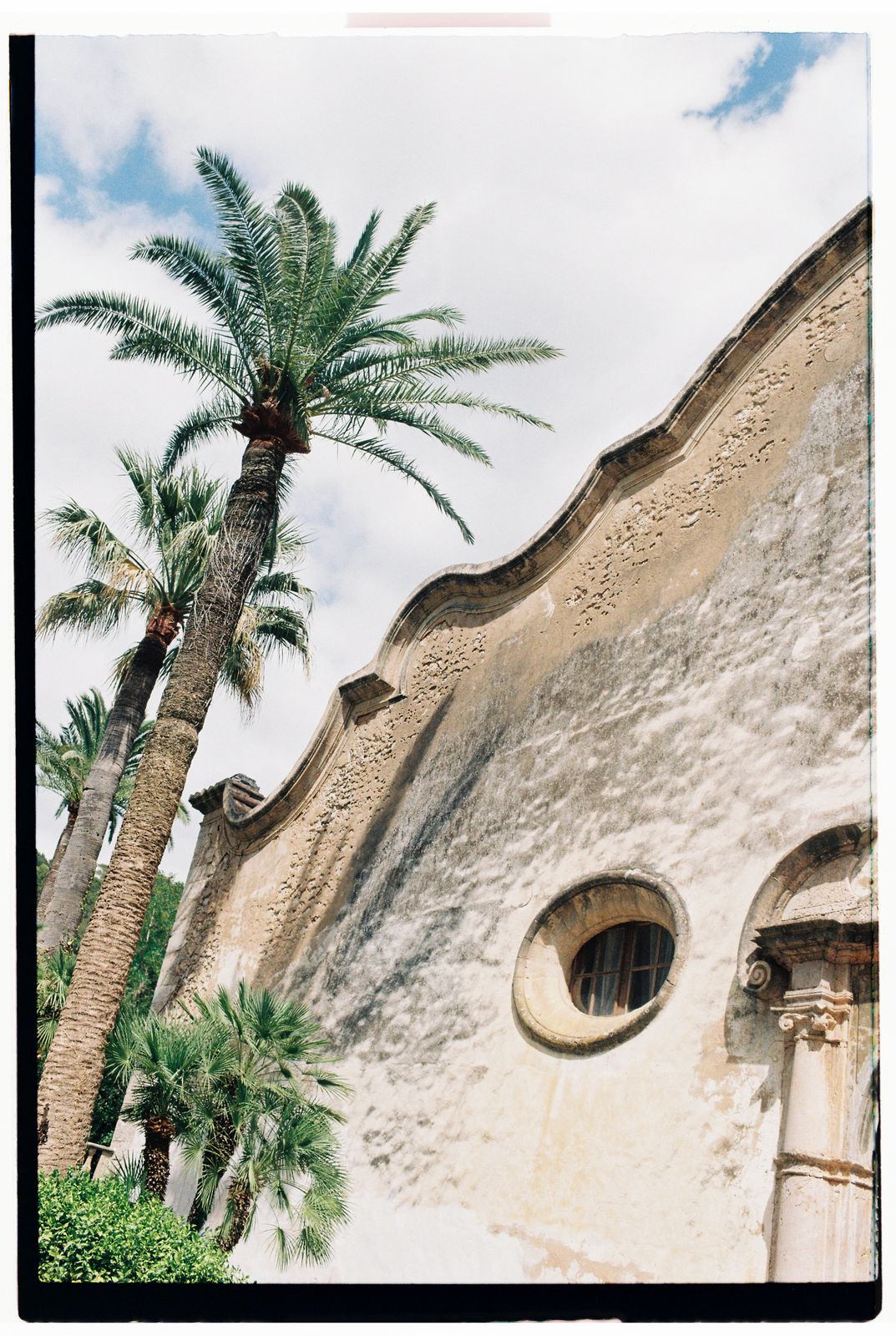
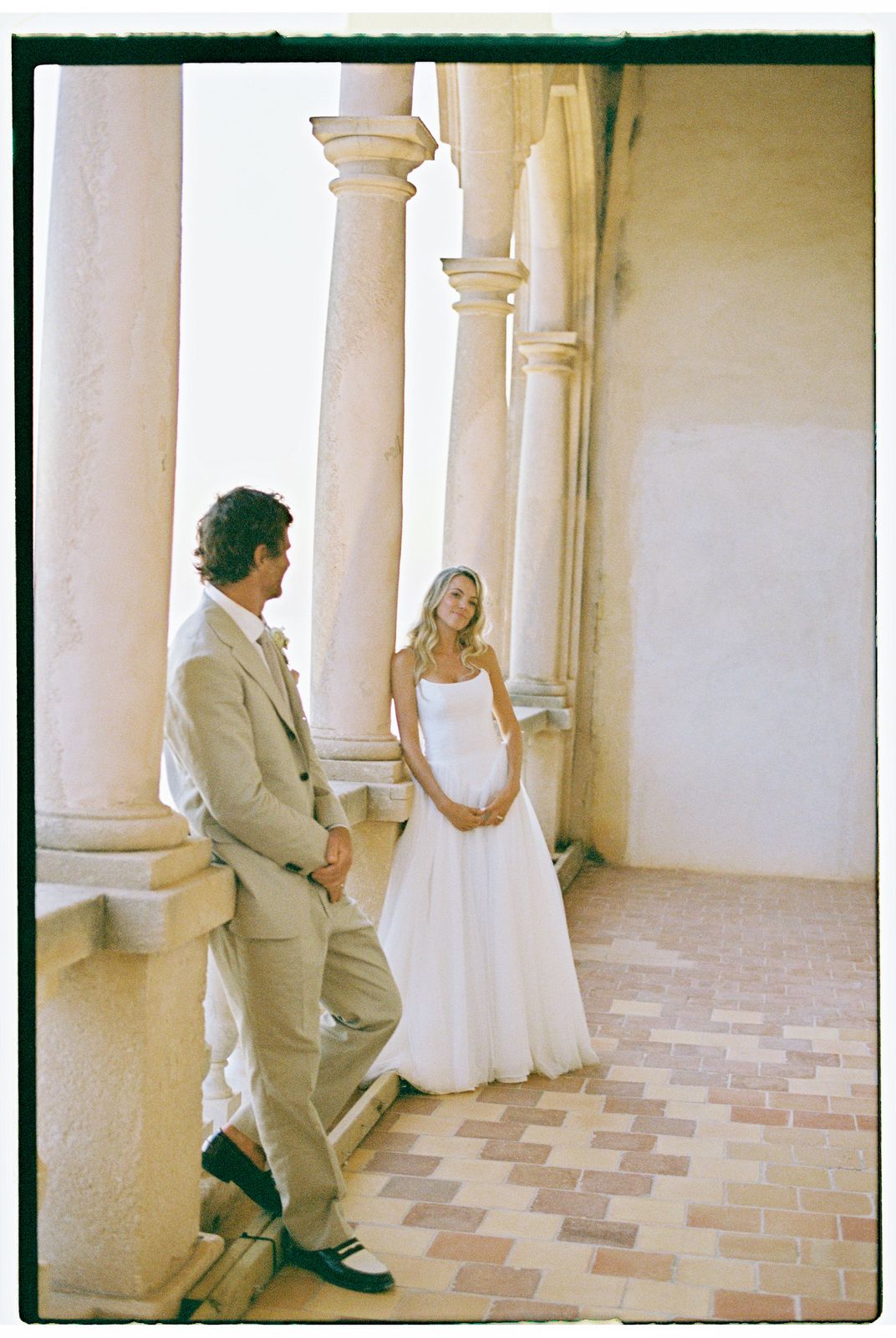
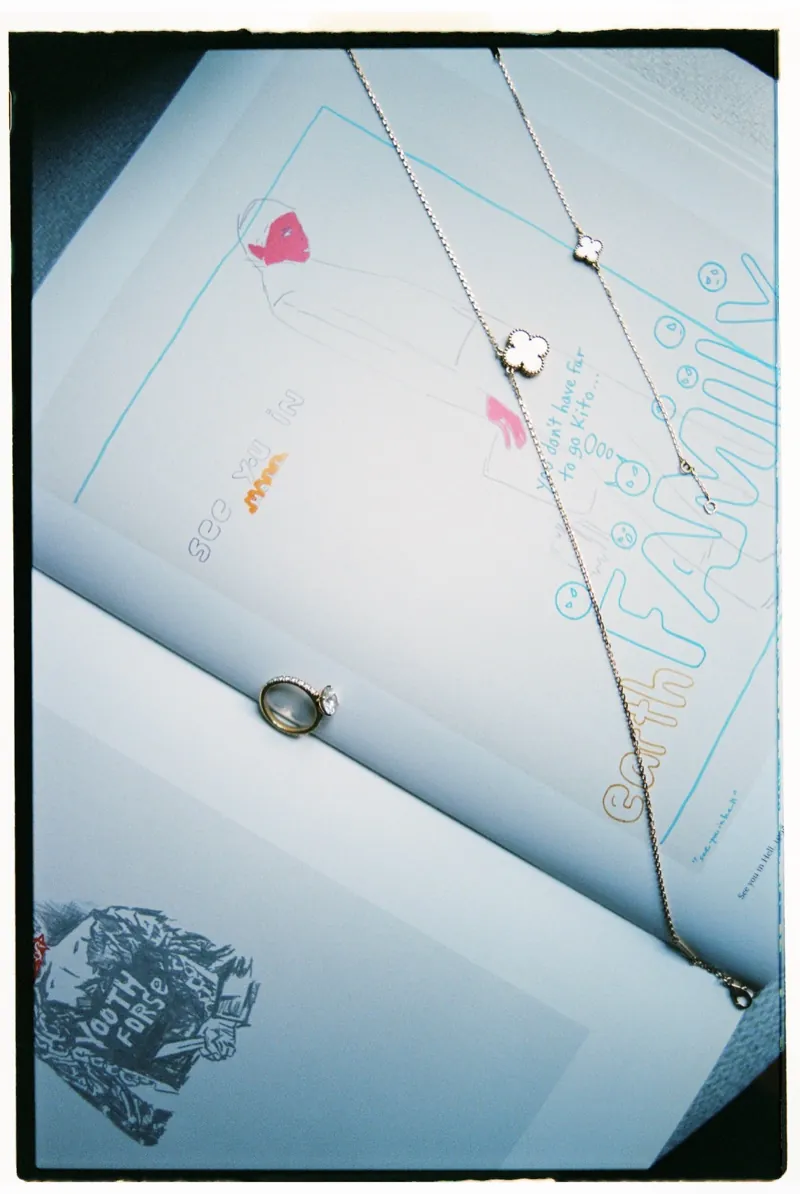
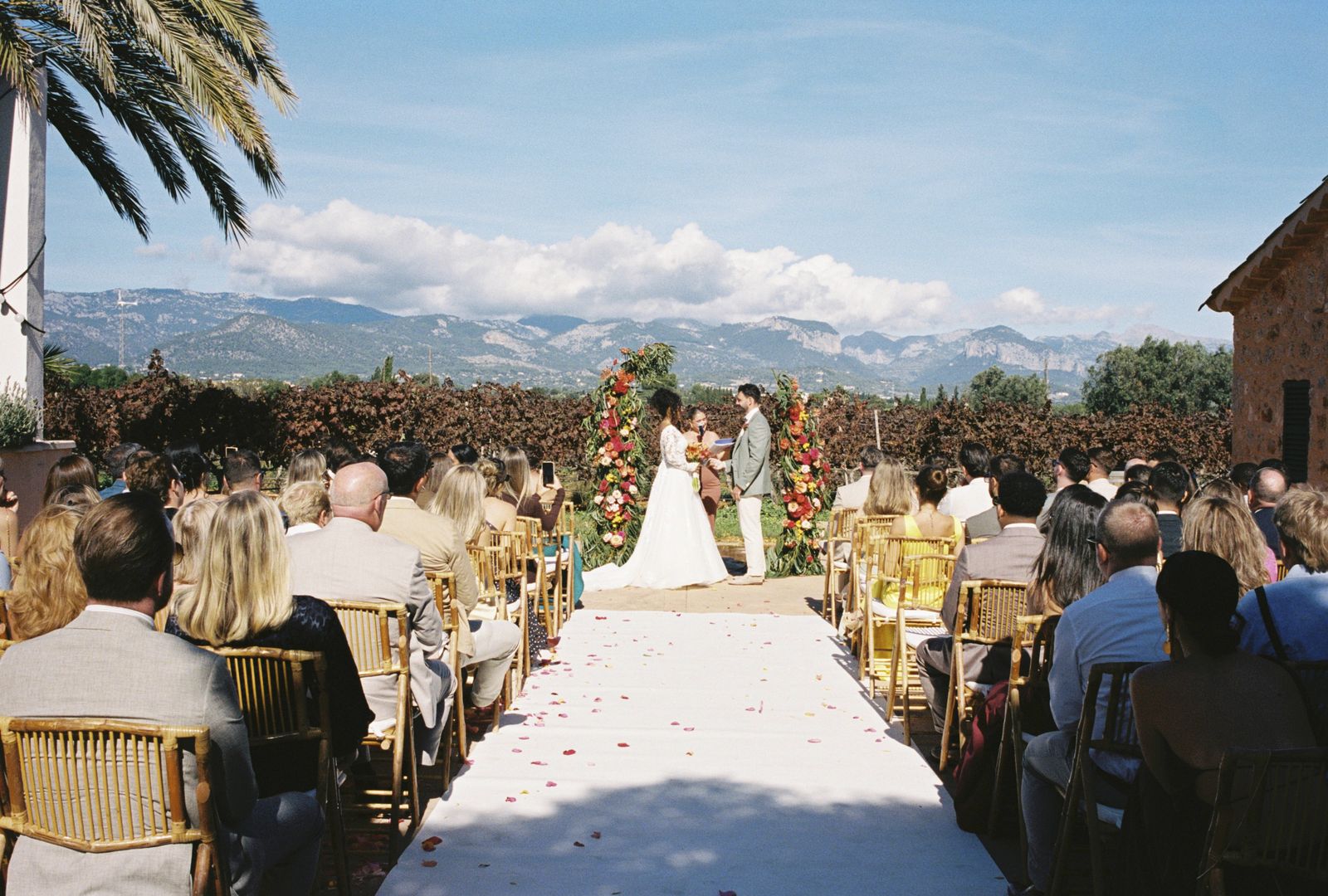
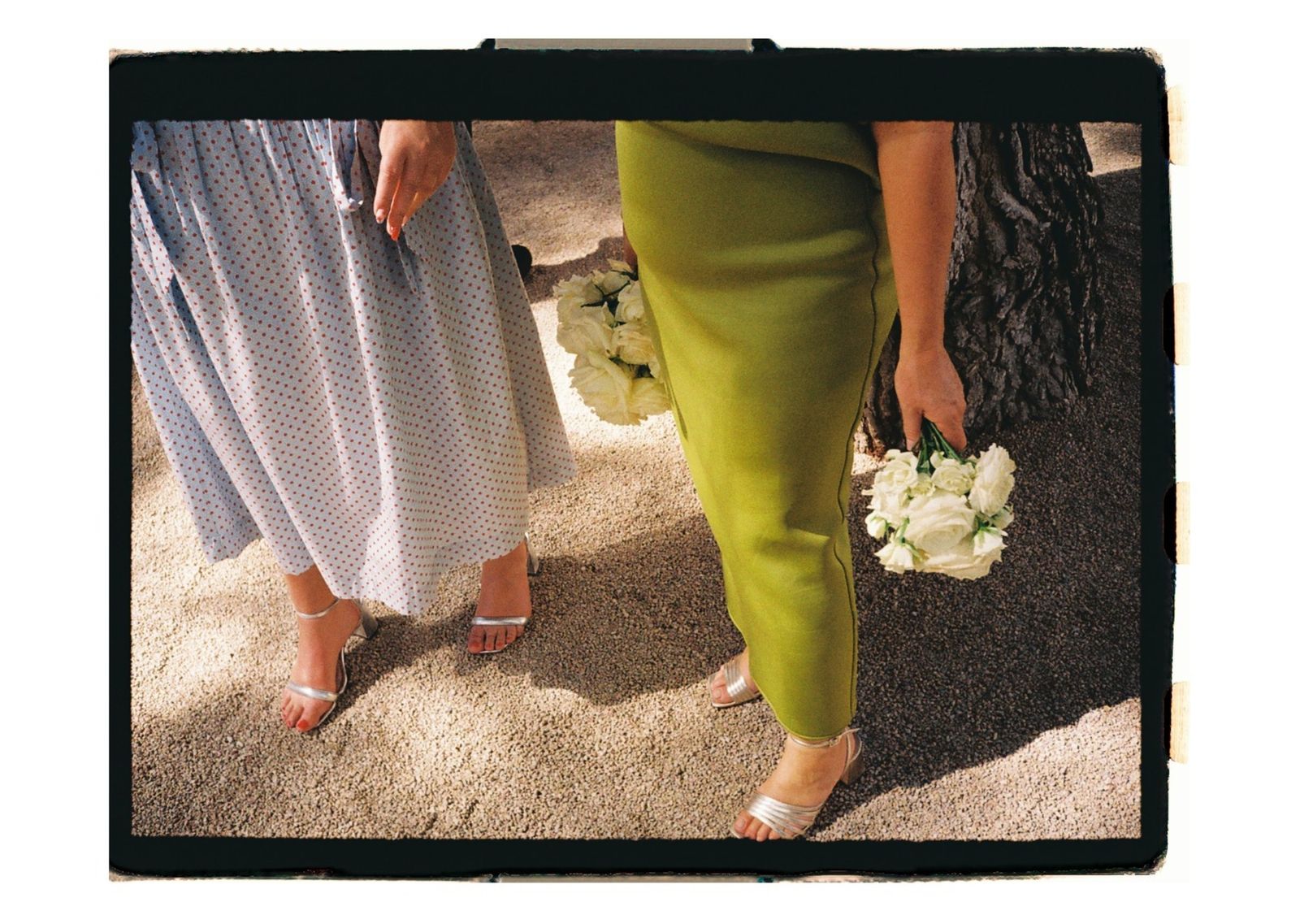
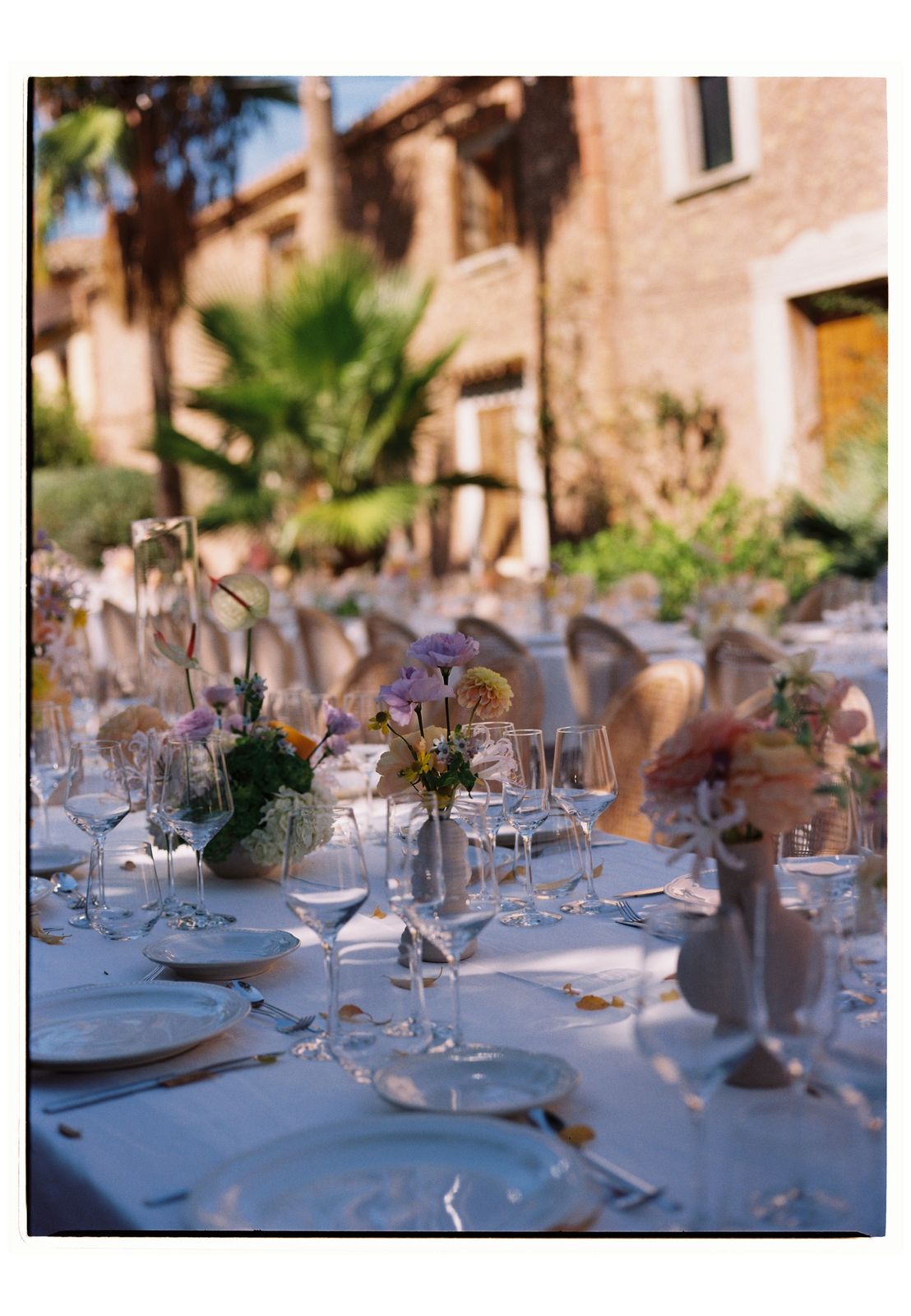
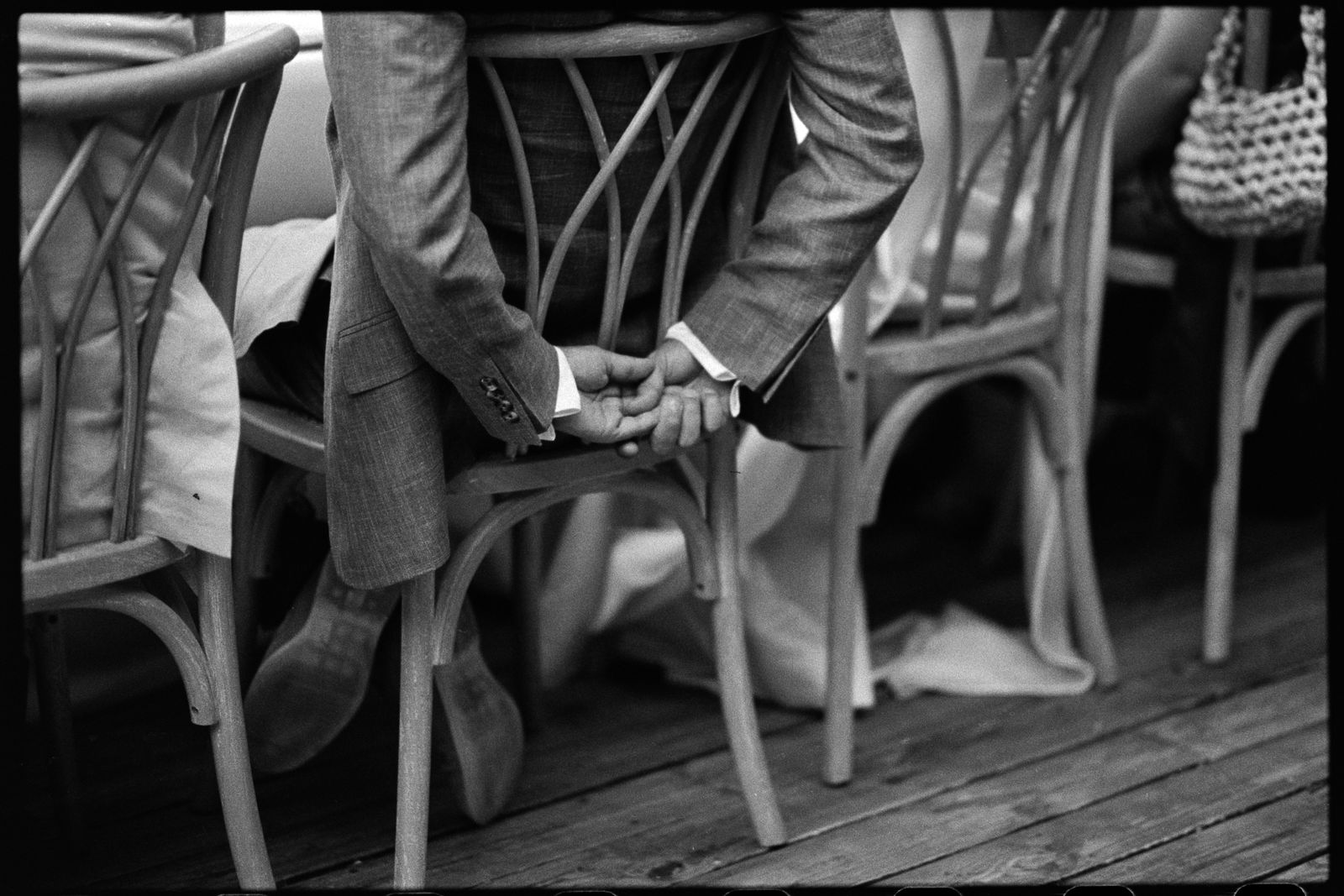
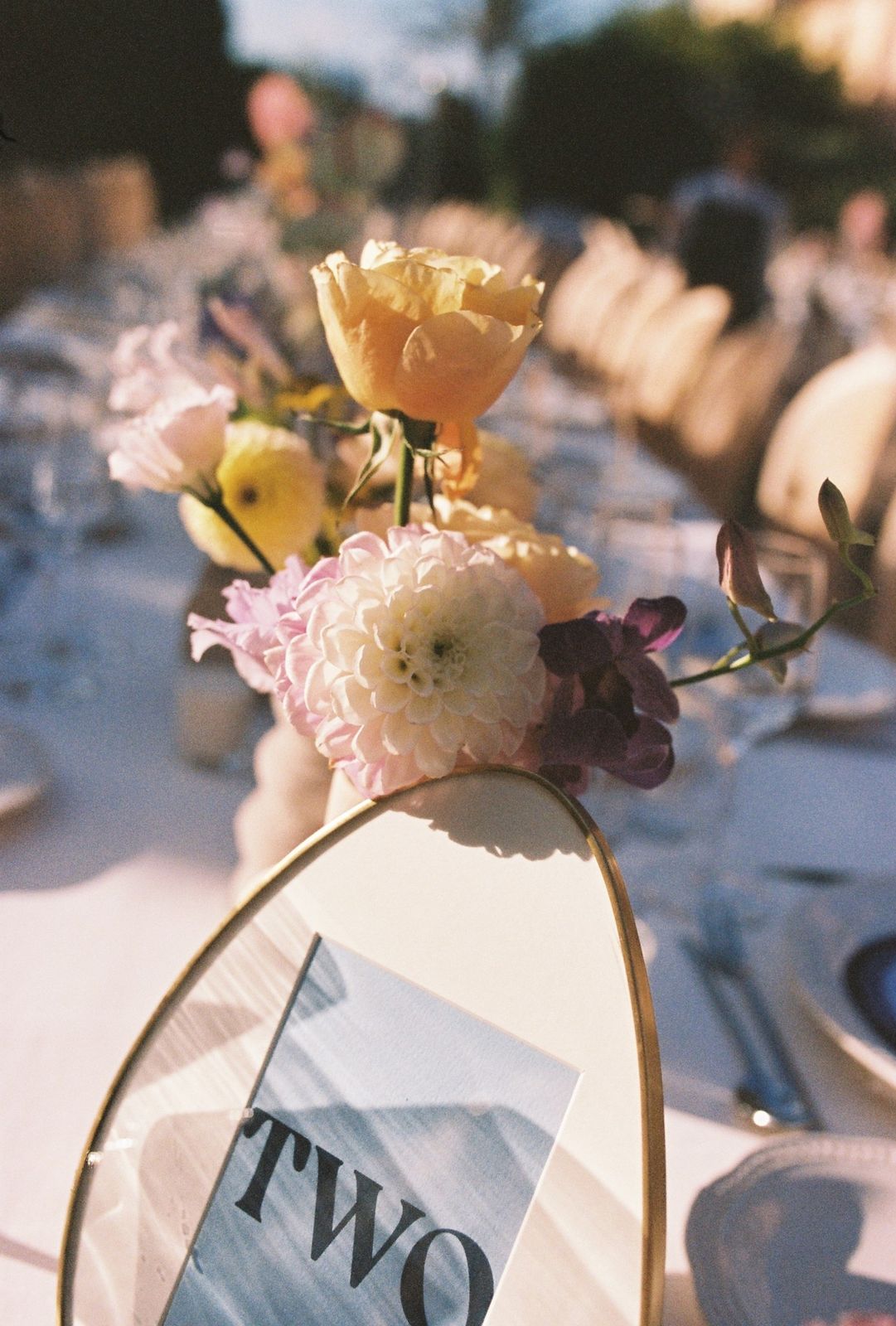
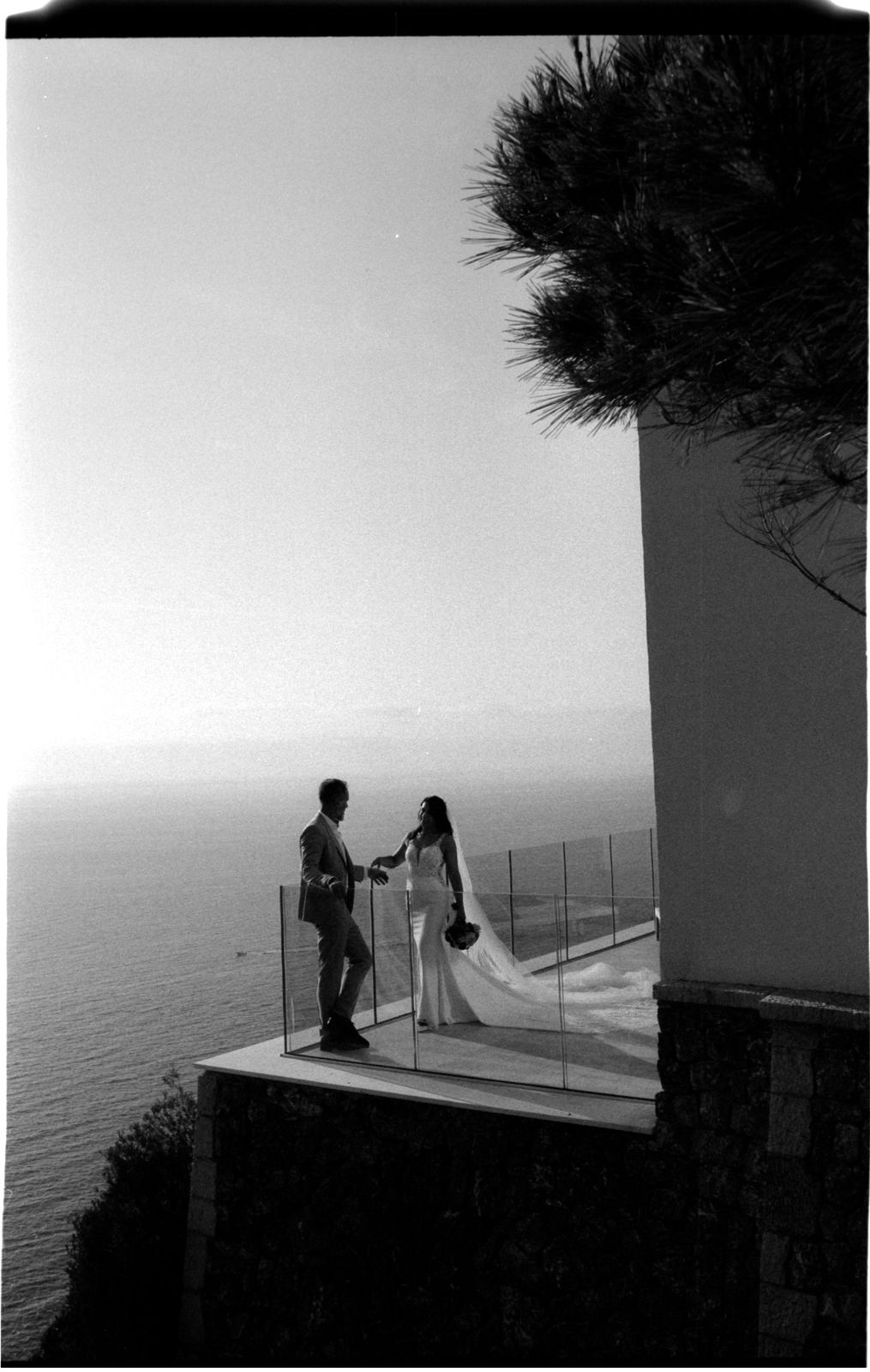
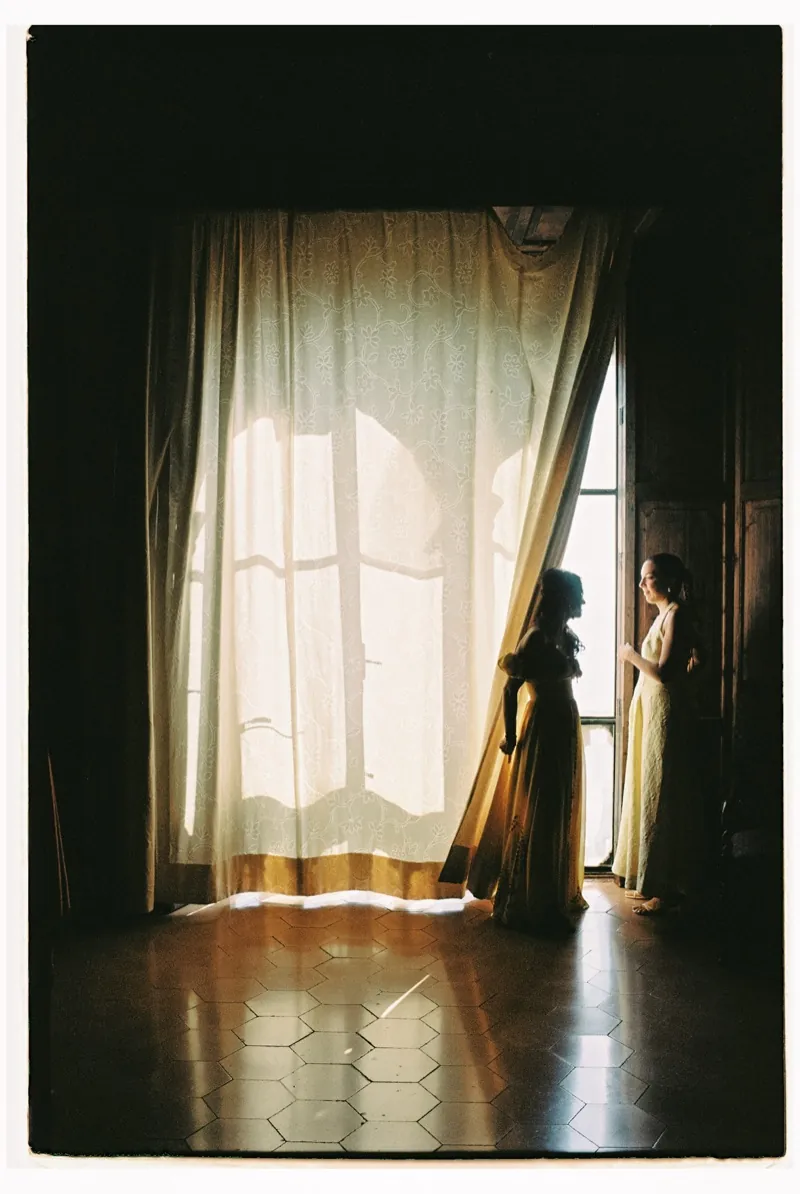
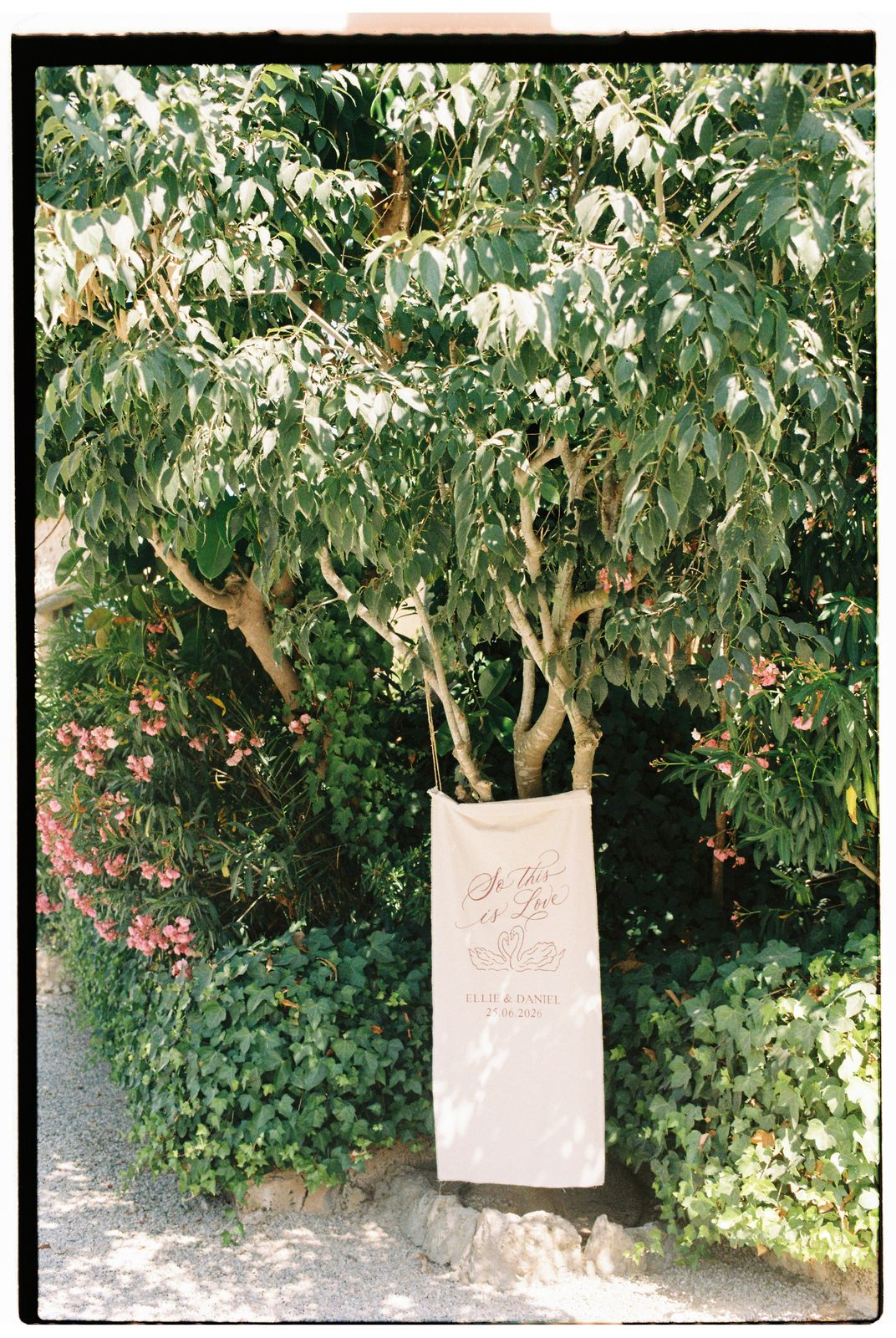
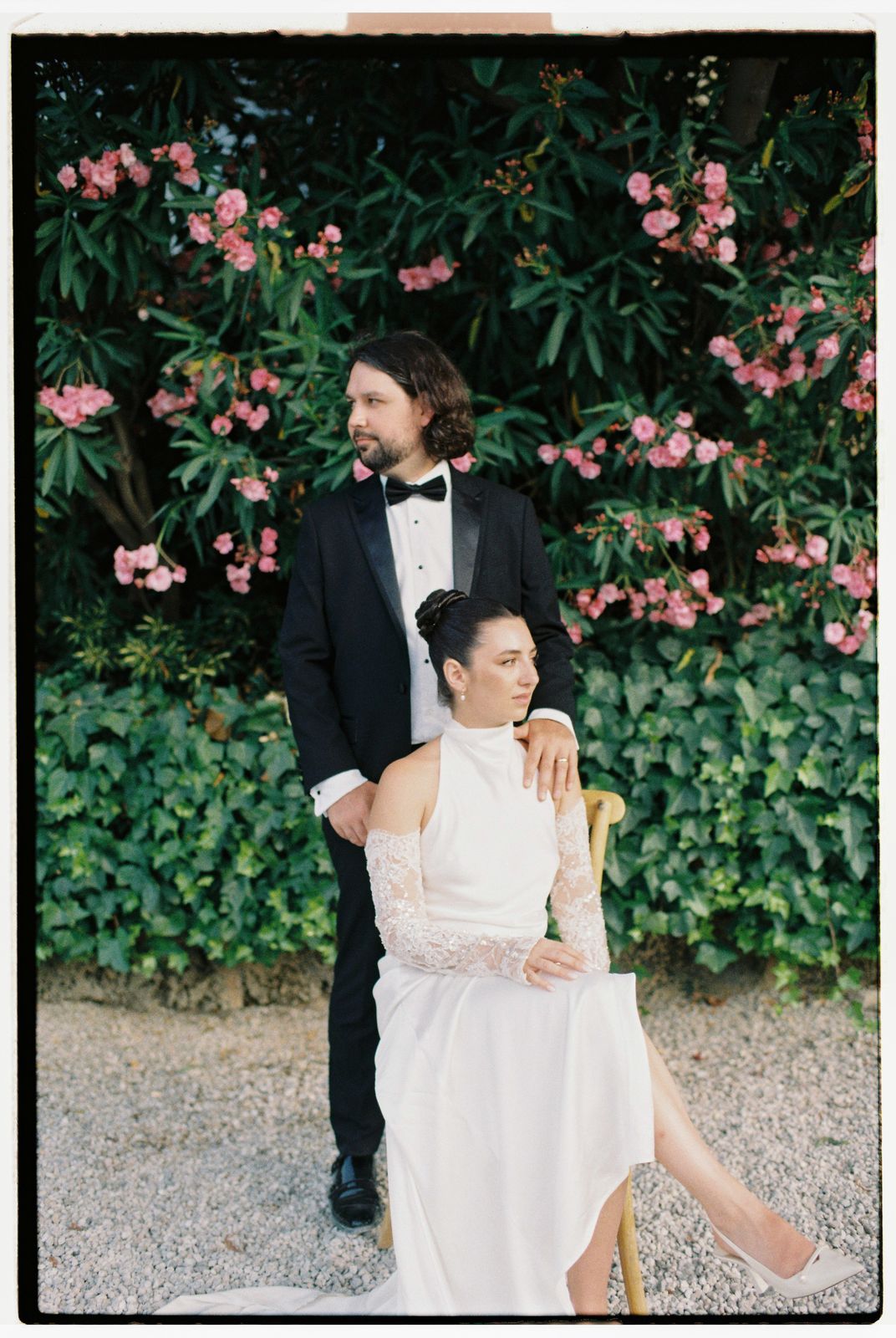
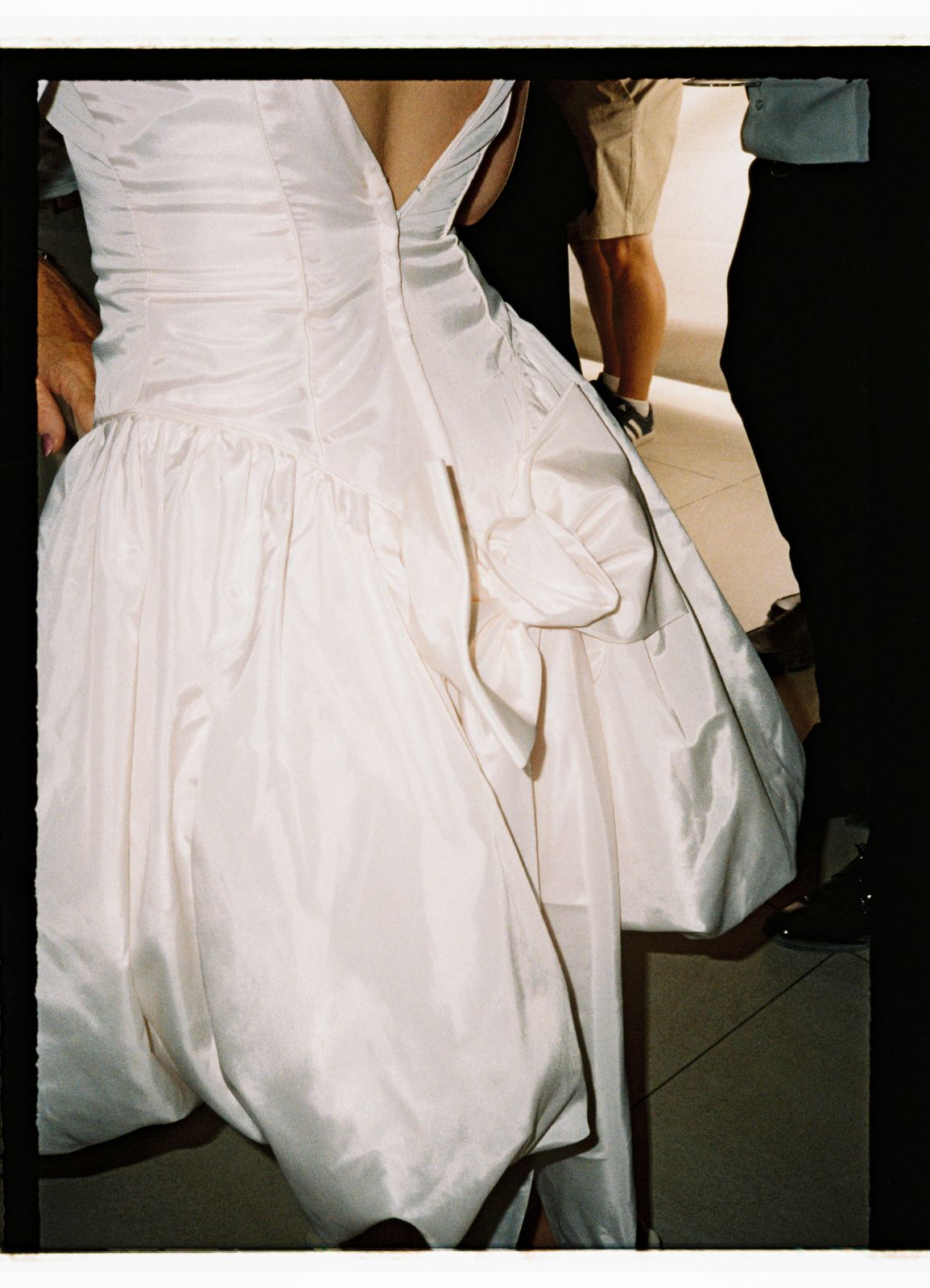
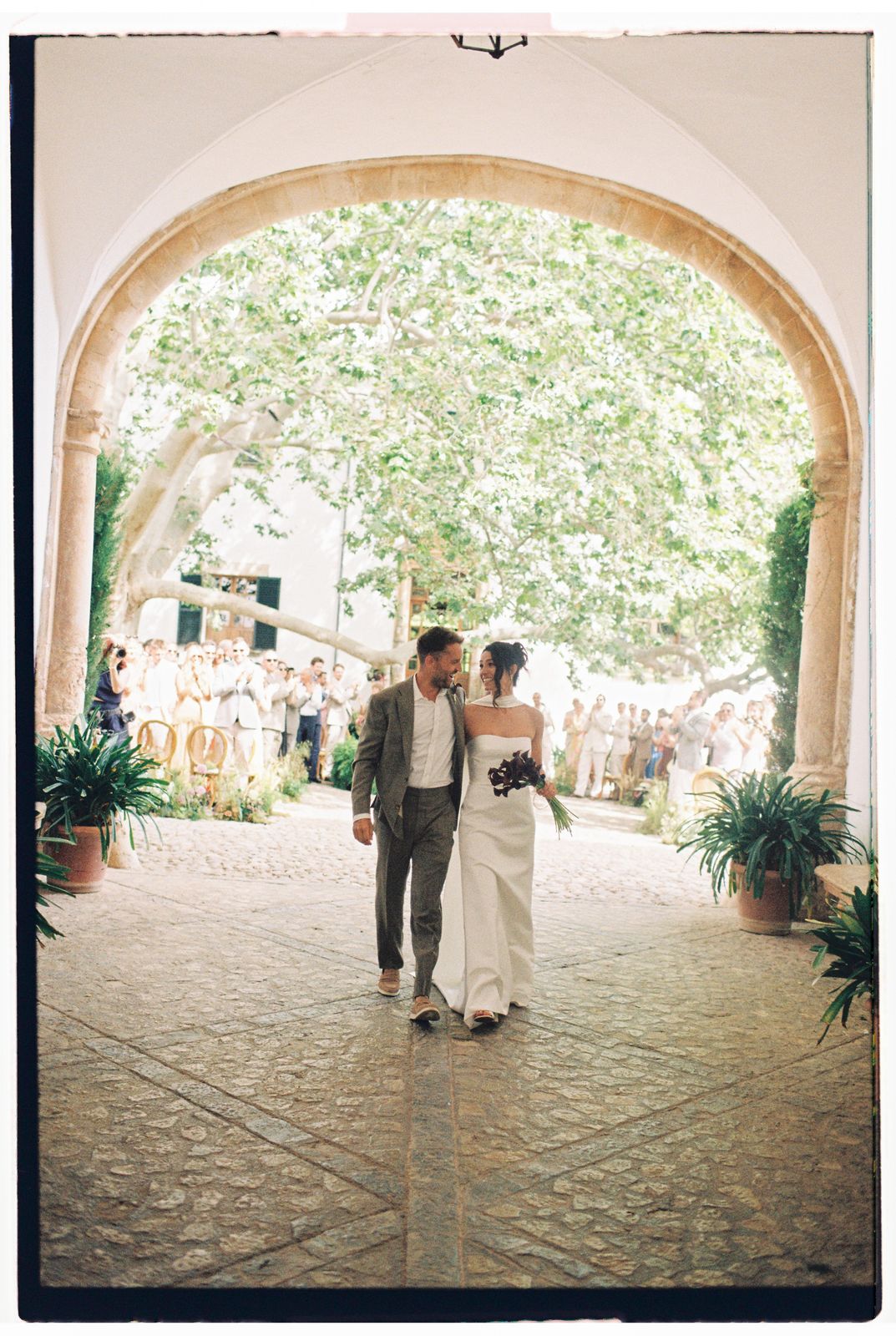
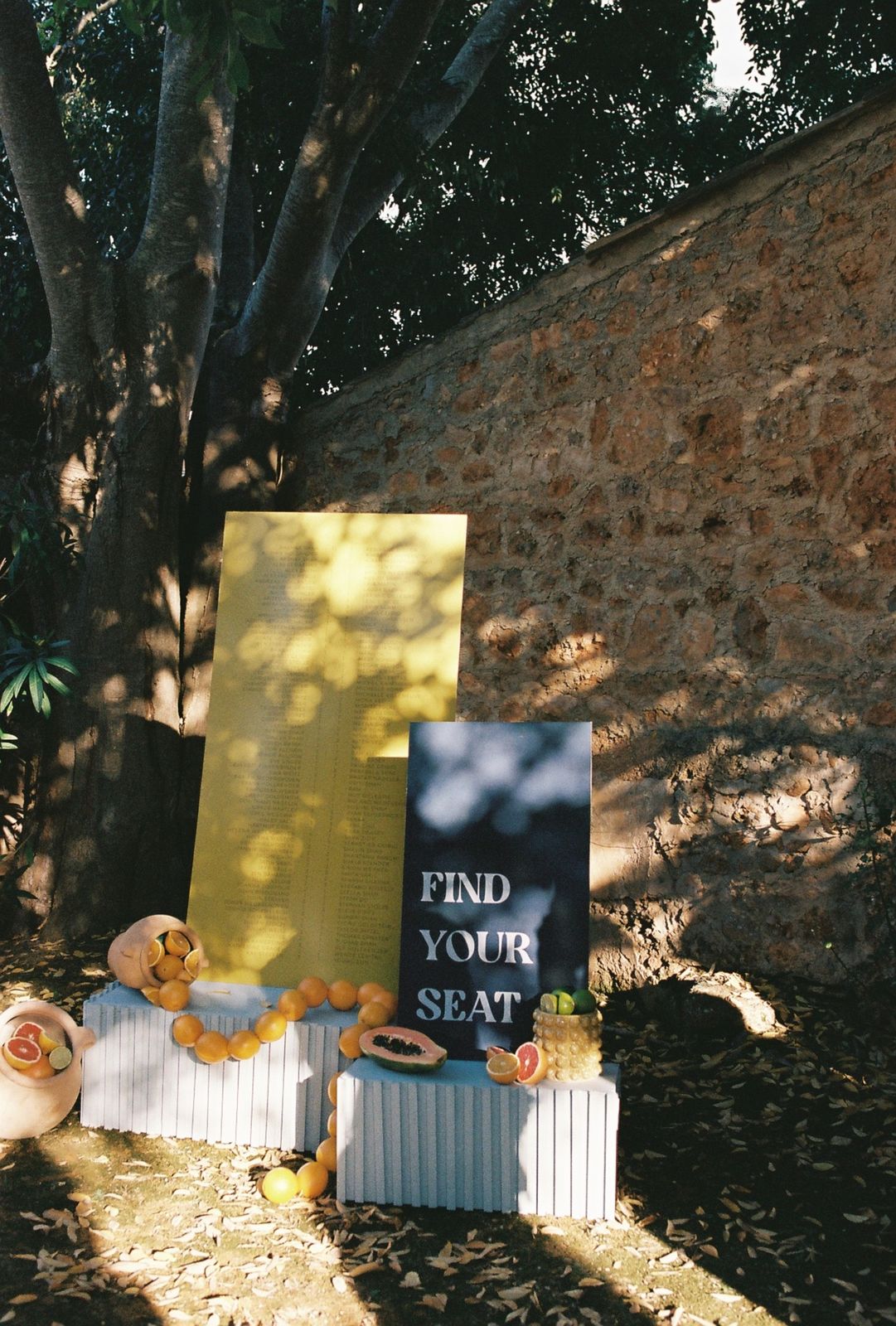
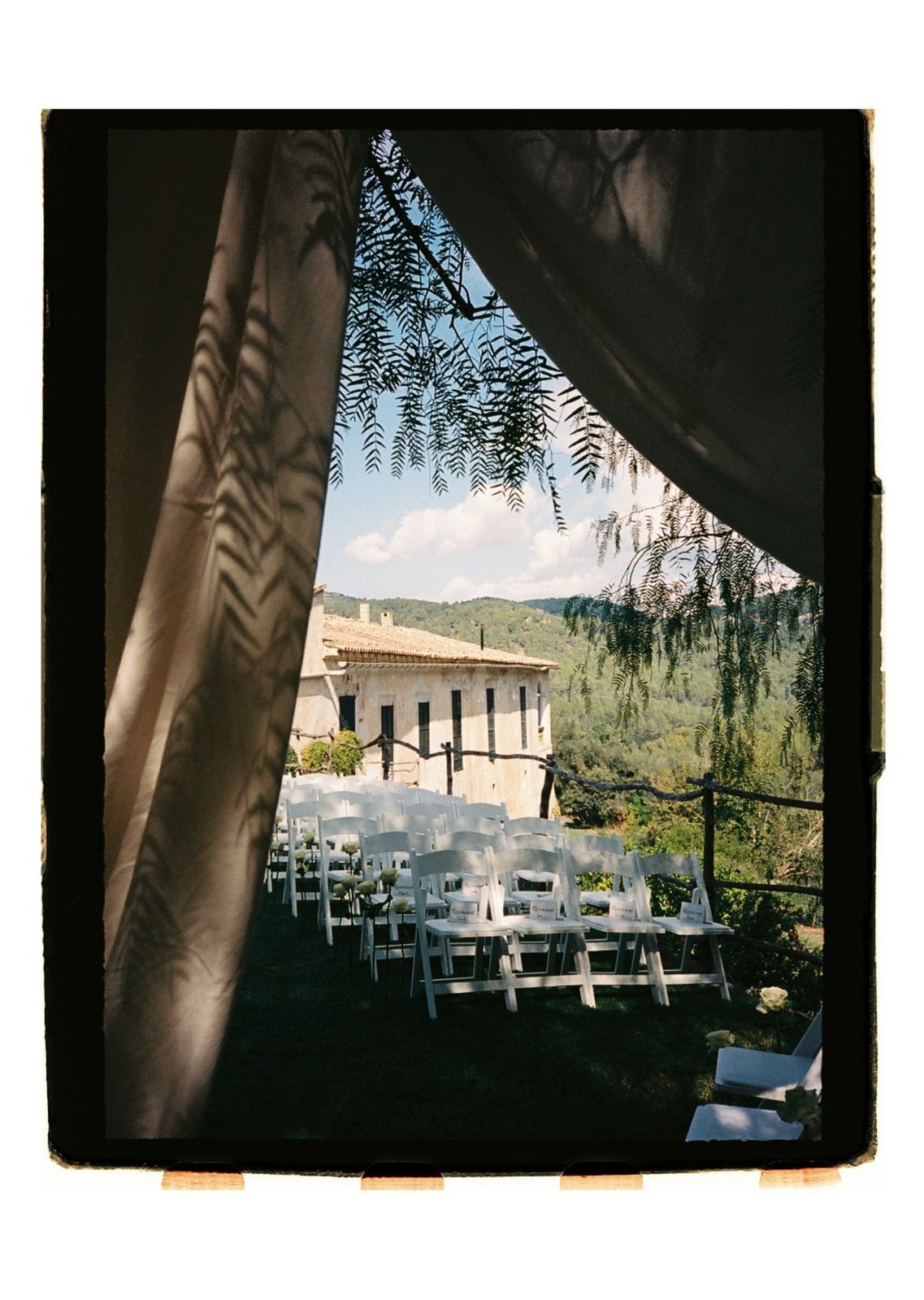
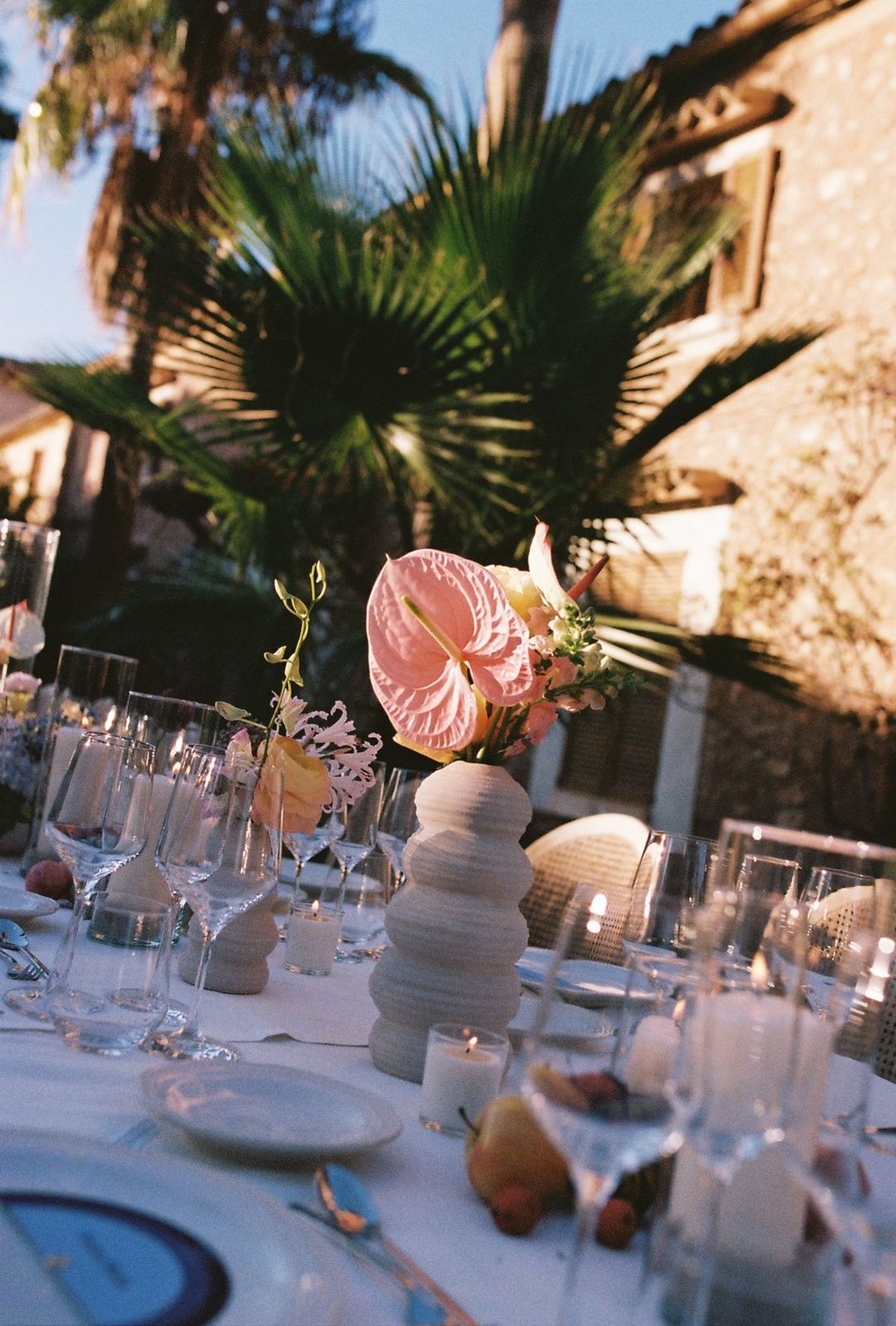
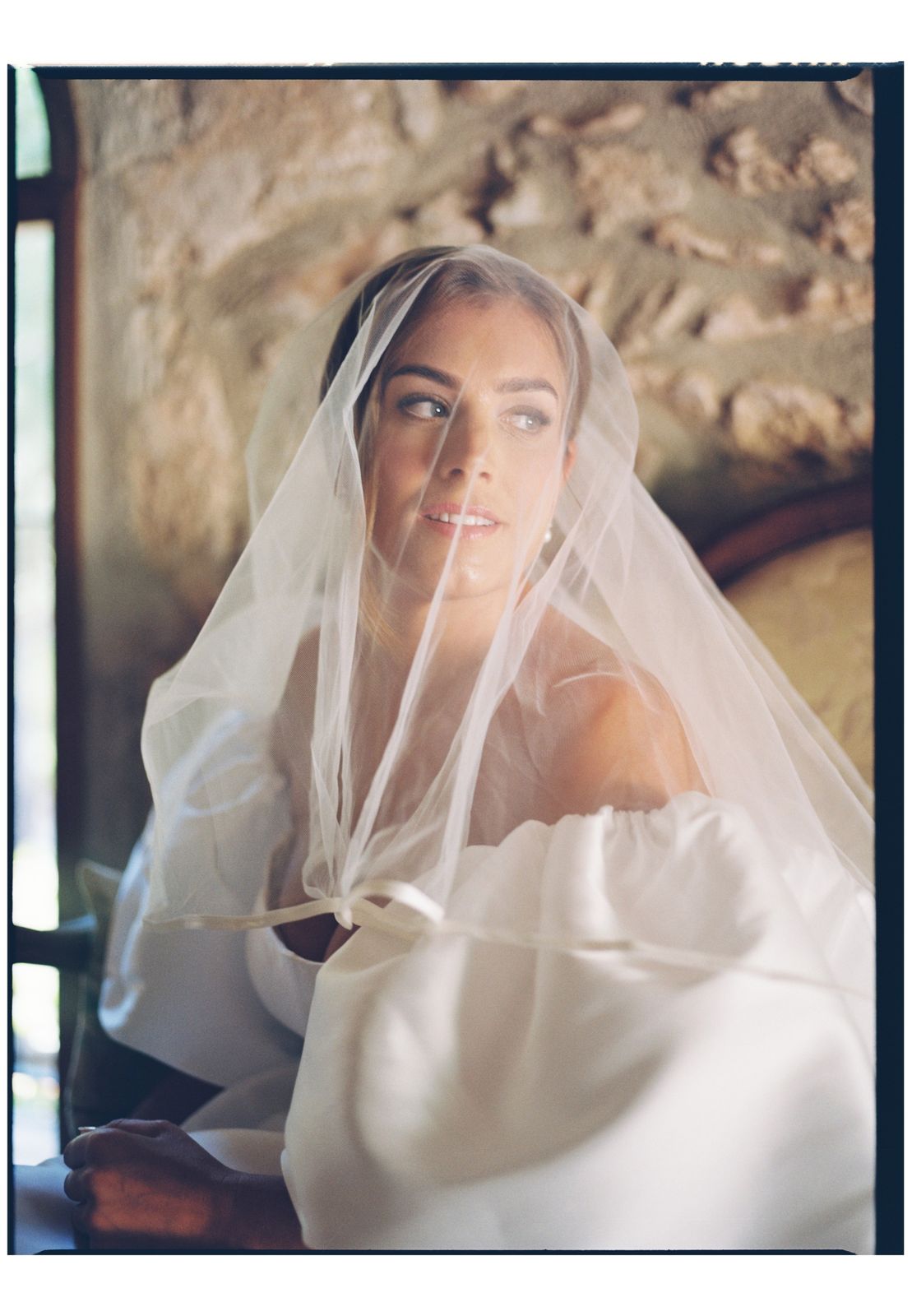
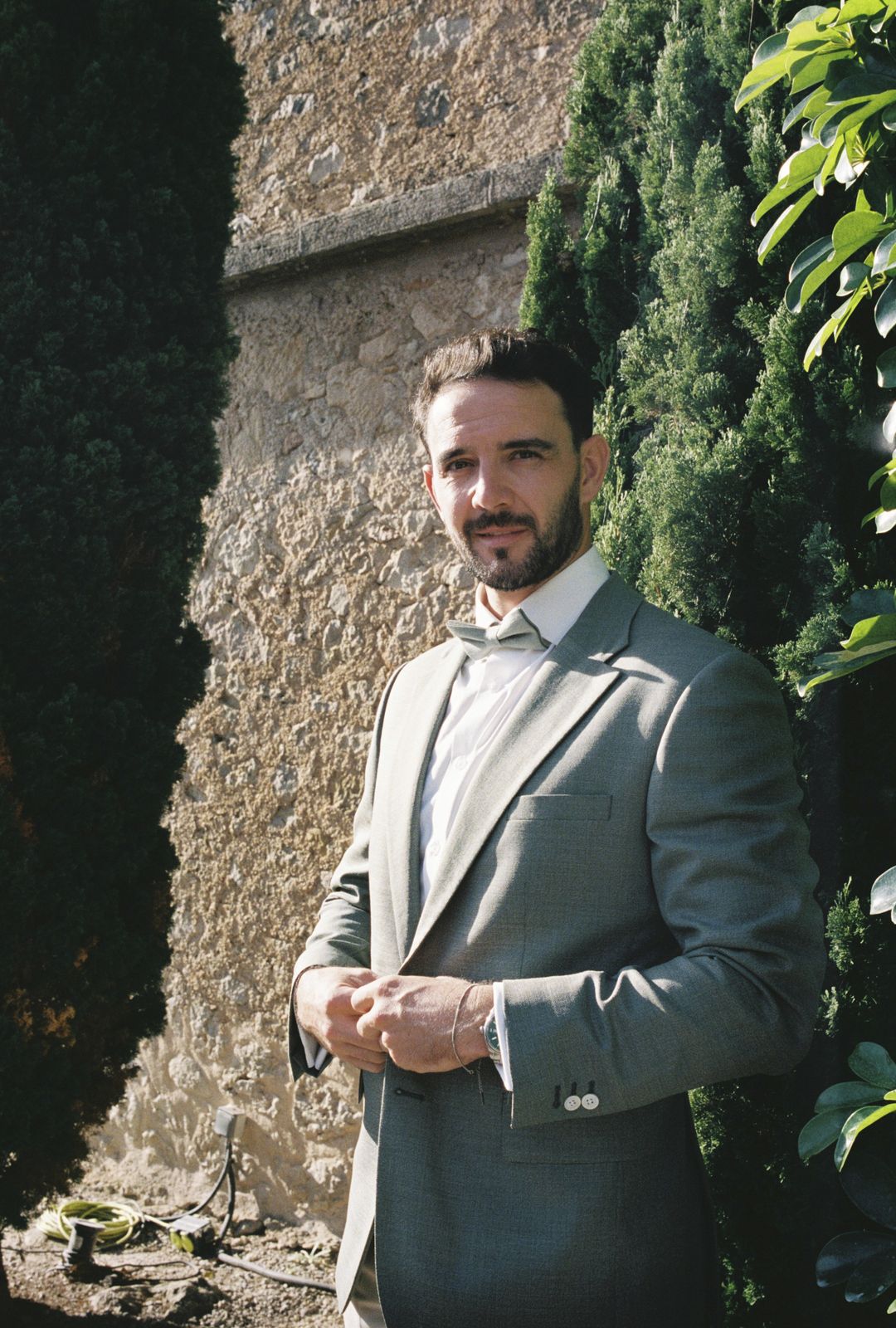
Then there is what film does to light, which is the part people notice without knowing why. Highlights roll off instead of clipping. Skin holds a warmth that no preset reproduces convincingly. Mallorca's midday sun, which is brutal on digital sensors, becomes something film handles with a kind of grace. Shadows keep detail and colour rather than going flat. Grain sits in the image the way texture sits in a fabric: present, physical, never sharpened into artifice.
The wait between shooting and seeing
I develop and scan through a lab, and the wait is part of it. Weeks after a wedding, a set of images arrives that I haven't seen and can't fully remember taking. There is always something in there I didn't know I had. That gap between shooting and seeing keeps the work alive for me in a way that instant review does not.
I'm not precious about it. I don't think film is morally superior to digital, and I don't shoot it to signal anything. I shoot it because the images look like the day felt, and because the discipline it imposes makes me a better photographer on both formats.
What it means for your gallery
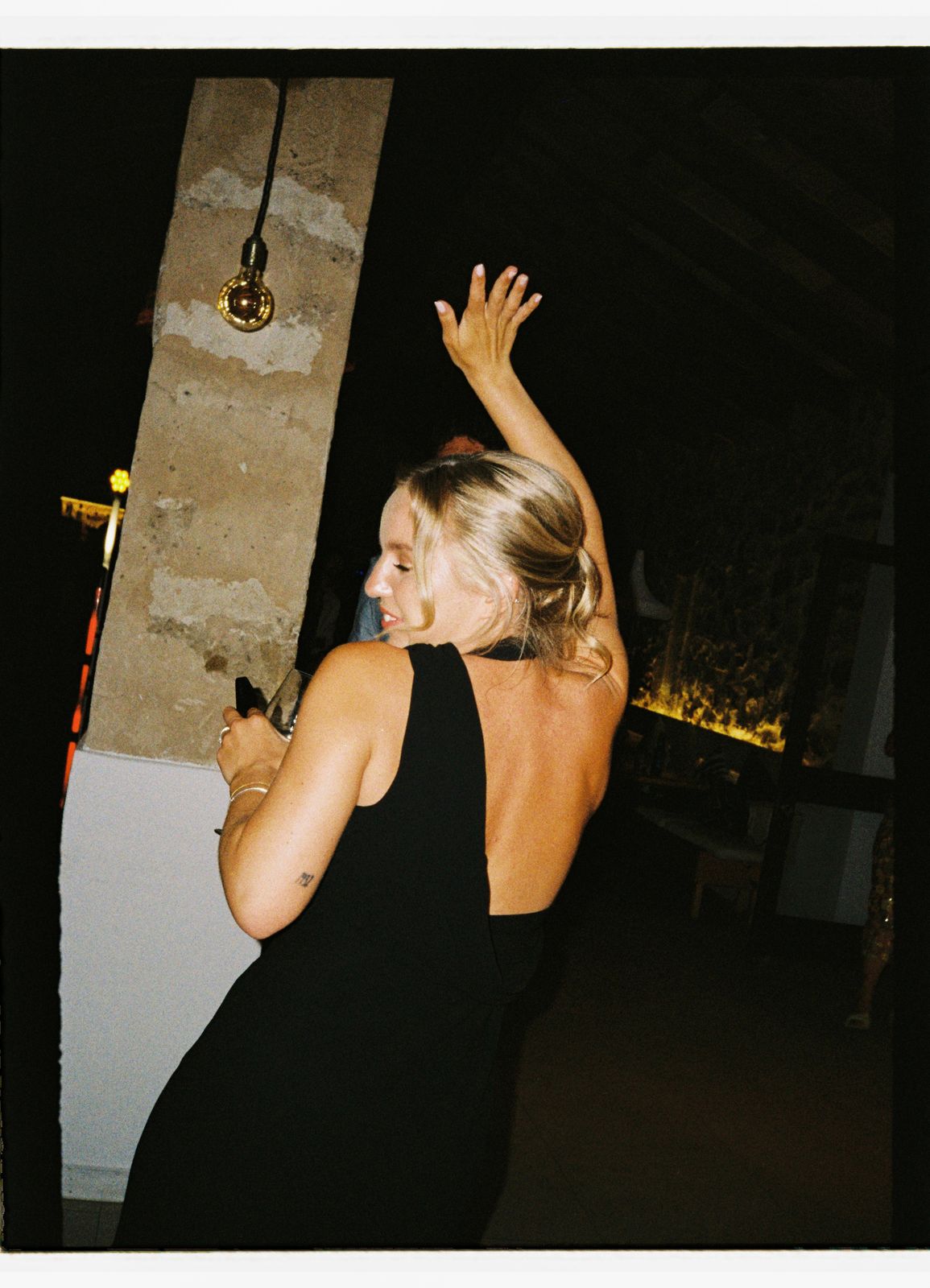
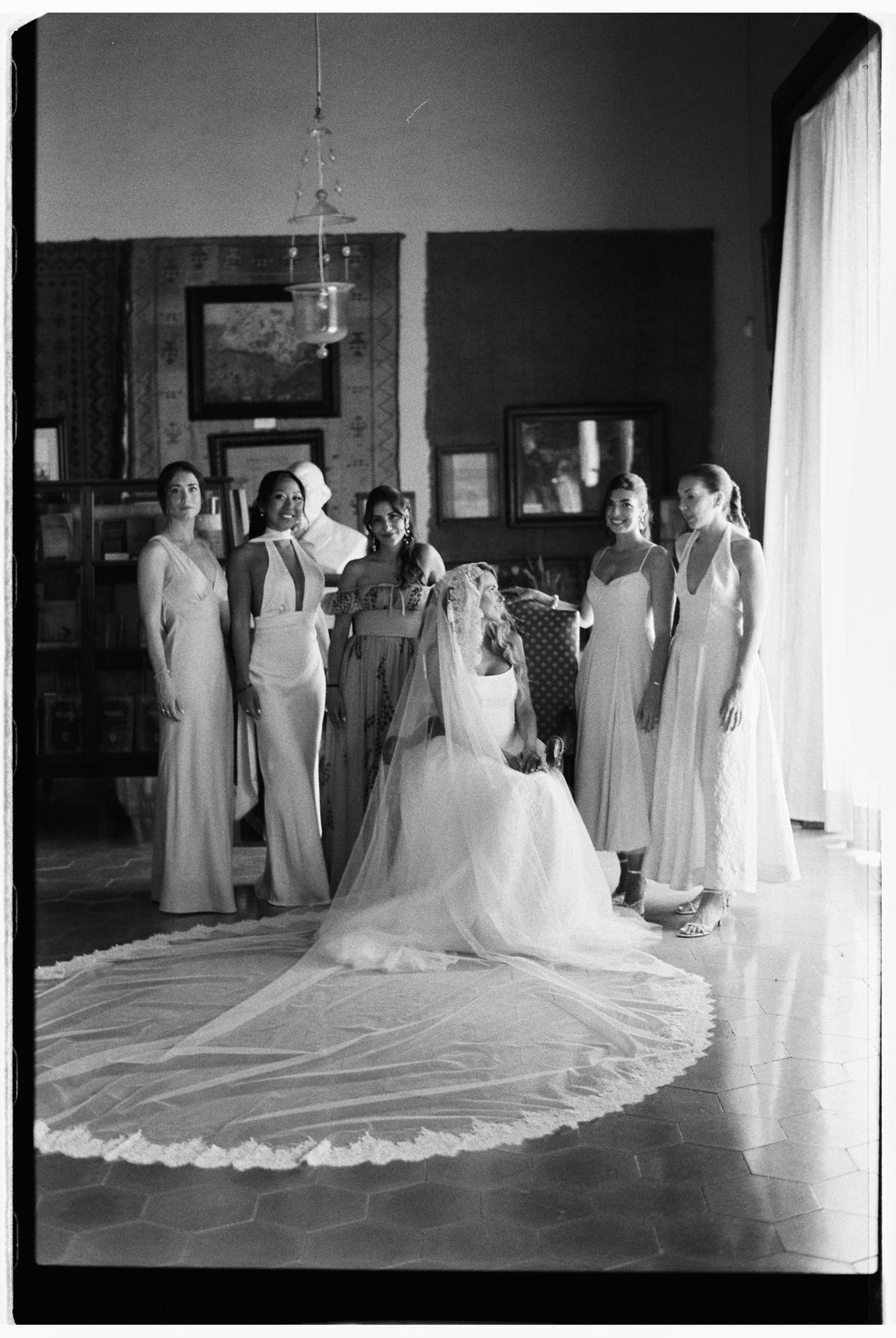
What this means practically, if you're a couple considering it: you'll receive a gallery where the two formats sit alongside each other without announcing themselves. Some frames will have the clarity of digital. Others will have the softness, the colour shift, the imperfection of film. Together they read as one body of work rather than two.
And it comes included. Every wedding I photograph has film in it at no extra cost: the 35mm frames reach the same gallery as the digital work, in the same order, rather than being sold as a separate package. There is also a dedicated film package of 300 to 400 analogue photographs for couples who want the whole day that way, but the baseline never changes. If I photograph your wedding, there will be film in it.
Analog photography is slower, more expensive, and less forgiving. It is also, for the kind of wedding photography I care about, unhurried, observational, made to be looked at in ten years rather than posted in ten minutes, entirely worth it.